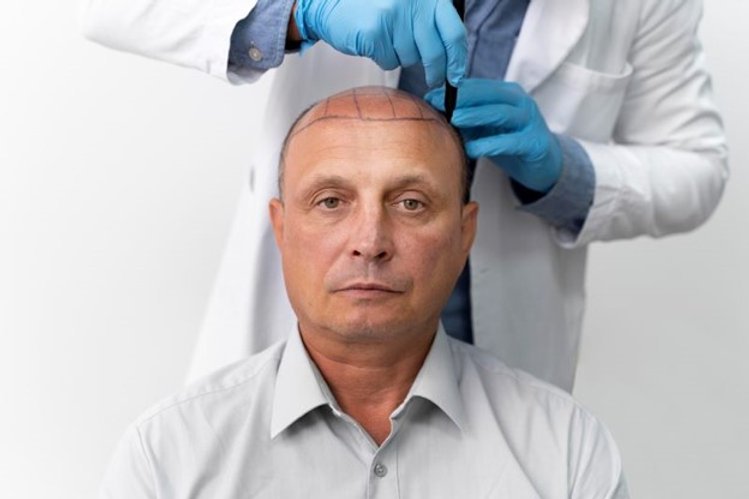
Choosing the right hair transplant clinic is an important step for anyone experiencing hair thinning, a receding hairline, or noticeable hair loss. With several treatment options available, patients should look beyond promotional offers and focus on medical expertise, personalized treatment planning, hygiene, transparency, and long-term hair restoration goals. The best clinic is not necessarily the one making the biggest promises; it is the one that carefully evaluates your needs and explains what can realistically be achieved.
For individuals considering a hair transplant in Islamabad, understanding the factors that influence treatment quality can make the decision easier. A well-informed choice begins with understanding the cause of hair loss, evaluating the available procedures, and selecting a qualified medical professional who prioritizes patient safety.
Summary: What Makes a Hair Transplant Clinic a Suitable Choice?
A suitable hair transplant clinic should provide an individualized assessment, qualified medical supervision, clear communication, and appropriate follow-up care. Patients should evaluate these factors before committing to a procedure:
- Medical expertise: Check the qualifications and experience of the professional responsible for your treatment.
- Personalized planning: Ensure your hairline, donor area, hair density, and future hair loss are assessed.
- Procedure suitability: Understand whether FUE, FUT, or another approach is appropriate for your condition.
- Transparent communication: Ask about costs, possible risks, recovery, and realistic outcomes.
- Aftercare support: Confirm that post-procedure instructions and follow-up appointments are available.
Evaluate Medical Expertise and Clinical Standards
Medical expertise should be one of your first considerations when comparing hair transplant clinics in Islamabad. Hair restoration requires careful planning, knowledge of scalp anatomy, and an understanding of how hair follicles grow and heal.
Before choosing a provider, ask about the qualifications of the treating doctor and the experience of the clinical team. Clarify who performs the key stages of the procedure, including anesthesia, follicle extraction, and implantation.
A professional clinic should also explain its infection-control procedures, patient assessment process, and arrangements for managing complications.
When evaluating a clinic, consider whether it:
- Provides a proper medical consultation before recommending surgery.
- Reviews your medical history and current medications.
- Explains the benefits and limitations of the proposed technique.
- Discusses potential complications rather than guaranteeing perfect results.
These details help patients distinguish a medically informed treatment plan from a decision based mainly on marketing.
Look for Personalized Hair Restoration Planning
Every patient experiences hair loss differently. Age, genetics, hair characteristics, scalp health, and the pattern of thinning can influence the suitability of a hair transplant. Consequently, a treatment plan should reflect individual needs rather than follow a standard approach for every patient.
A thorough consultation should assess the donor area, where follicles are taken, and the recipient area, where they are implanted. The specialist should also consider whether hair loss may continue after surgery.
Important elements of a personalized plan include:
- Hairline design: A natural-looking hairline should suit facial proportions and account for potential future hair loss.
- Donor hair assessment: The available follicles must be evaluated before estimating graft numbers.
- Density expectations: Patients should understand that achievable density depends on donor supply, scalp characteristics, and treatment goals.
- Long-term planning: The doctor should explain how ongoing hair loss might affect the appearance of transplanted and existing hair.
A clinic that discusses these factors openly can help patients develop more realistic expectations.
Understand Available Hair Transplant Techniques
Different hair transplant methods have different advantages and limitations. Two commonly discussed techniques are Follicular Unit Extraction (FUE) and Follicular Unit Transplantation (FUT).
FUE involves removing individual follicular units from the donor area. It avoids the linear donor-area scar associated with traditional FUT, although small scars may remain. FUT involves removing a strip of scalp from the donor area and separating it into follicular units for transplantation.
Neither method is automatically the best option for every patient. The appropriate technique depends on factors such as donor characteristics, hair loss pattern, individual preferences, and the medical professional’s assessment.
Before proceeding, ask your provider to explain:
- Why the recommended technique suits your condition.
- What type of scarring may occur.
- How long initial recovery may take.
- When transplanted hair is expected to begin growing.
- What limitations could affect your final appearance.
Understanding these details allows you to compare treatment options based on suitability rather than popularity alone.
Compare Transparency, Costs, and Patient Support
Treatment cost is important, but choosing a clinic based exclusively on the lowest price may overlook essential aspects of care. A transparent provider should explain what the quoted fee includes and whether additional expenses may arise.
Ask for clarification about consultation charges, medication, follow-up appointments, and any recommended supportive treatments. Be cautious of pressure to book immediately or promises of guaranteed density.
Patient support is equally important. Hair transplantation involves a recovery period, and patients need clear instructions about scalp care, sleeping positions when advised, activity restrictions, and signs that require medical attention.
A reliable clinic should explain the expected recovery process and provide an appropriate way to contact the care team if concerns develop.
Why Consider SKN Cosmetics in Islamabad?
Patients comparing hair restoration providers may consider SKN Cosmetics in Islamabad as part of their clinic research. When evaluating SKN Cosmetics or any other provider, prospective patients should arrange a consultation to discuss their hair loss pattern, donor-area suitability, treatment options, and expected results.
Before making a decision, ask the clinic about the qualifications of the medical professional responsible for your procedure, the technique recommended for your case, hygiene protocols, and follow-up arrangements. Reviewing these details can help you determine whether the clinic’s approach aligns with your medical needs and personal priorities.
The most appropriate choice is one that provides clear, individualized guidance, encourages informed decision-making, and explains both the potential benefits and limitations of hair restoration.
Recognize Realistic Results and Aftercare Requirements
Hair transplantation does not produce an immediate full head of hair. Transplanted hairs commonly shed during the initial weeks, while new growth develops gradually over subsequent months. The timing and degree of visible improvement vary from person to person.
Patients should follow their medical professional’s instructions and attend recommended follow-up appointments. They should also understand that transplanted follicles do not prevent untreated, existing hair from continuing to thin.
A responsible provider will discuss realistic timelines, possible complications, and whether additional medical management may be appropriate.
Conclusion
Finding a hair transplant clinic in Islamabad that meets your priorities requires more than comparing prices or viewing before-and-after photographs. Medical qualifications, individualized planning, suitable techniques, transparent communication, and ongoing support are essential considerations.
Take time to ask questions, understand your options, and compare providers carefully. By prioritizing safety and realistic expectations, you can make a more informed decision about whether hair transplantation is appropriate for your needs.
Frequently Asked Questions
Q1: How do I choose a hair transplant clinic in Islamabad?
A: Compare medical qualifications, personalized planning, hygiene standards, transparency, and aftercare.
Q2: Which hair transplant technique is best?
A: FUE or FUT may be suitable depending on your hair loss pattern and donor area.
Q3: How long does hair transplant recovery take?
A: Initial healing often takes around one to two weeks, while visible growth takes several months.
Q4: Are hair transplant results permanent?
A: Transplanted follicles can provide long-lasting growth, but existing hair may continue thinning.
Q5: What should I ask during a hair transplant consultation?
A: Ask about medical qualifications, graft estimates, technique, risks, total cost, and follow-up care.