
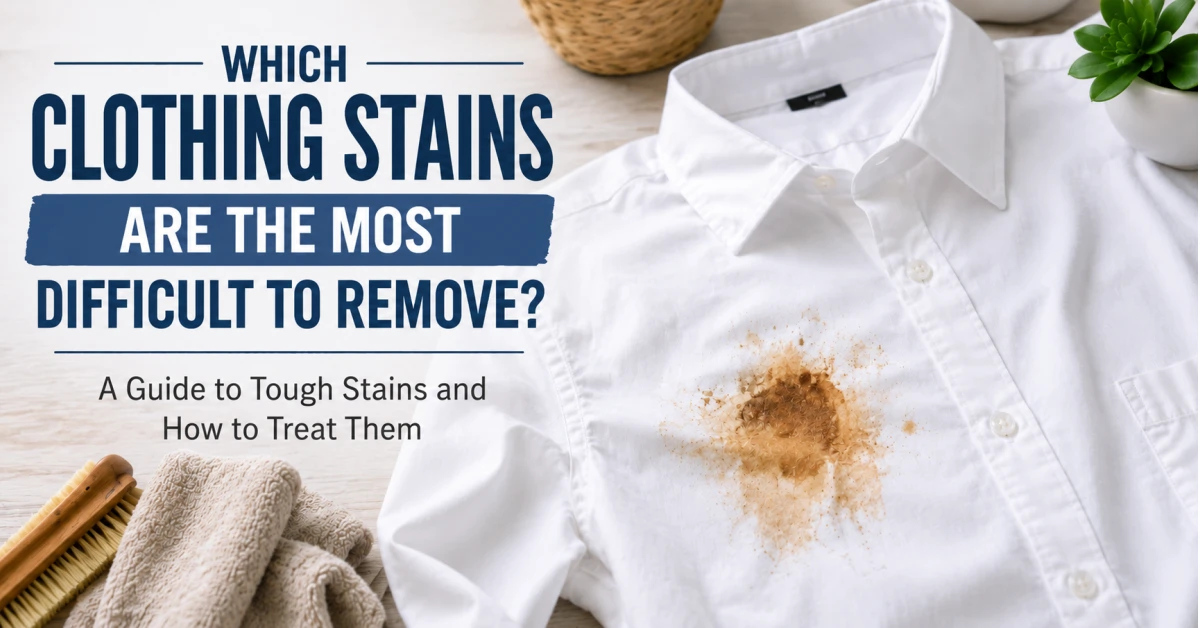
A small stain does not always mean a garment is ruined. But some clothing stains are far more difficult to remove than others, especially when they have dried, been exposed to heat, or been treated with the wrong product at home. For people in Perth, this can be particularly frustrating when the stained item is a favourite outfit, workwear, formal garment or delicate fabric.
The difficulty is not determined by the appearance of a stain alone. The type of substance, fabric, dye, age of the stain and previous cleaning attempts can all affect the final result. Professional garment-care guidance also notes that some stains, including certain inks and dried paints, may be extremely difficult or impossible to remove without affecting the fabric.
Which Stains Are Usually the Hardest to Remove?
1. Ink and Permanent Marker
Ink stains can be particularly stubborn because different inks contain different dyes and chemicals. Ballpoint ink, permanent marker and other writing products may react differently with various fabrics.
Rubbing an ink stain can spread the mark and push it further into the fibres. On some garments, attempting to remove the ink aggressively can also affect the original colour.
2. Oil and Grease
Cooking oil, grease, salad dressing, cosmetics and similar substances can create persistent marks because they are oil-based. Ordinary washing may not completely remove them, particularly when the stain has been left untreated.
Oil stains can also become harder to recognise as they dry. Some oily marks may initially appear to disappear, only to become yellowish or brownish later because of oxidation.
3. Red Wine and Dark-Coloured Beverages
Red wine, coffee and tea are among the stains people commonly worry about because their strong colour can make them highly visible on lighter garments.
The challenge increases when the spill is allowed to dry or when heat is applied before the stain has been properly treated. Rather than assuming that a stronger household product will work, it is better to consider the fabric and the nature of the stain first.
4. Blood and Other Protein-Based Stains
Blood, milk and egg are examples of protein-based stains that require particular care. Heat can cause some protein stains to set, which is why applying hot water, ironing or putting a stained garment into a dryer can make the problem worse.
This is especially important when the fabric is delicate or the stain is already several days old.
5. Hair Dye and Other Colour-Transfer Stains
Hair dye presents a different challenge because it is specifically designed to deposit colour. Once it transfers onto clothing, removing that colour without affecting the garment’s original dye can be difficult.
The same problem can occur with certain cosmetic products, strong pigments and other colour-transfer substances. In these situations, successful fabric stain removal is not simply about making the mark disappear; the treatment must also protect the garment’s colour.
6. Old, Set-In and Previously Treated Stains
Sometimes the most difficult stain is not a particular substance at all—it is an old stain.
Time can allow a substance to penetrate the fibres and undergo chemical changes. Previous attempts to remove it can create additional problems. Ironing, tumble drying, aggressive rubbing or applying unsuitable chemicals may set the stain or damage the fabric.
This is why a stain that might have been manageable when fresh can become significantly more challenging weeks or months later.
Why Are Some Stains So Difficult to Remove?
There is no universal stain-removal method because stains and garments are different.
A professional cleaner may need to consider:
The stain: Water-based, oil-based, protein-based and combination stains require different approaches.
The fabric: Silk, wool and other delicate materials may not tolerate aggressive treatment.
The dye: A cleaning agent can sometimes affect the garment’s original colour as well as the stain.
The age: Fresh stains generally provide a better opportunity for successful treatment than old, oxidised marks.
Previous treatment: Heat, rubbing or household chemicals may have changed the stain or damaged the fibres.
Professional dry cleaning itself is only part of the process. Stubborn marks may require separate spotting or stain treatment before or after the main cleaning cycle.
What Should You Do When a Difficult Stain Appears?
The best first step is usually to avoid making the situation worse.
If the stain is fresh, gently blot rather than rub it to remove excess liquid. Avoid applying heat, and check the garment’s care label before attempting a treatment. If you have already tried something on the stain, tell the cleaner exactly what was used. This information can help determine the safest approach.
For valuable, delicate or heavily stained garments, professional assessment can be a better option than experimenting with multiple home remedies.
You can also explore this guide to dry-cleaning stain removal, which explains what can usually be treated and why some stains remain challenging.
Conclusion
Ink, oil, grease, wine, protein-based stains, hair dye and old set-in marks are among the more challenging clothing stains to deal with—but “difficult” does not automatically mean “permanent.”
The sooner a stain is identified and treated appropriately, the better the chances of achieving a satisfactory result. At the same time, successful stain removal is always influenced by the garment itself. In some cases, attempting increasingly aggressive treatments can cause more damage than leaving the original stain alone.
For Perth households, the safest approach is simple: act quickly, avoid heat and aggressive rubbing, follow the care label, and seek professional advice when you are unsure.