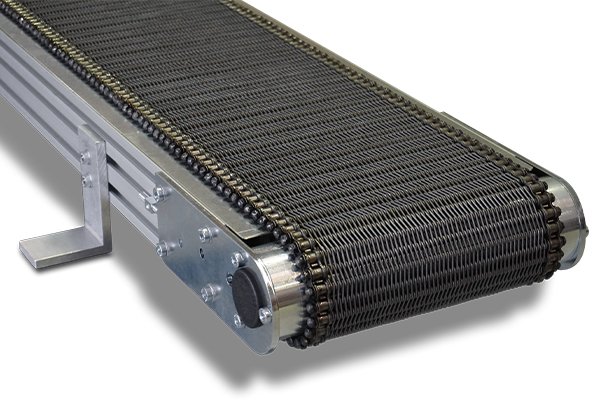
A conveyor chain does quiet, steady work. It pulls trolleys, carries loads, and keeps your line flowing shift after shift. Because it works without complaint, it is easy to forget about until the day it snaps or seizes and the whole line goes dark. The good news is that a chain almost always warns you first. If you know the signs, you can swap it on your schedule instead of during an emergency.
Catching wear early is the difference between a planned ten-minute job and an all-day scramble. Here is how to read the signs and act before production grinds to a halt.
Why Chains Wear Out
Every link rides on pins and bushings that rub together thousands of times a day. Over time, that rubbing wears the metal down. As the pins thin and the bushings widen, the whole chain stretches. A stretched chain no longer sits right in the track or on the drive, and that is when trouble starts.
Heat, dust, and heavy loads all speed up this wear. A line running long hours in a dirty space ages faster than one in a clean, cool room. Two identical lines can wear at very different rates, so watch your own line, not the calendar.
Warning Signs to Watch For
The first sign to watch for is usually sound. A healthy chain runs with a smooth, even hum, so grinding, clicking, or squealing tells you metal is fighting metal. The next clue is stretch. If the chain sags more than it used to or skips on the drive, the links have worn and lengthened. Finally, look at the metal itself. A chain that appears dry or shows rust has lost its protection and will wear fast.
Any one of these on its own is worth a look. Two or more together mean you should plan a replacement soon.
The Cost of Waiting Too Long
It is tempting to squeeze a few more weeks out of a tired chain, but that gamble rarely pays off. When a chain fails mid-shift, it can bring the whole line down at once. Product jams, drops, or piles up, and repairs done in a rush cost more than a job you plan.
There is a safety side too. A chain that breaks under load can whip or drop a carrier. Replacing it on your terms protects your schedule and your people.
How to Plan a Replacement
Start by keeping a simple log. Note when you installed the current chain and how many hours it runs each week. Check it during regular maintenance, and write down what you see and hear. Over time, this record shows the pattern, so you can order a new chain before the old one quits.
When you replace it, match the new chain to your exact system. Overhead lines and floor lines use different styles, and the pitch and load rating must match what you already run. If you are not sure, measure your current chain and count the links across a set length.
Choosing the Right Supplier
Not all suppliers are equal. Working with the right maker gives you parts that fit and advice you can trust. The best conveyor belt manufacturers and chain suppliers know their own equipment inside out, so they point you to the exact part your line uses. That saves you from ordering the wrong size and losing more time. We help customers match parts to their existing lines every day, and a quick conversation about your setup usually clears up any guesswork.
Build a Habit, Not a Panic
A conveyor chain does not have to be a surprise failure waiting to happen. Listen for new sounds, watch for stretch and rust, and keep a simple log of hours and checks. Do that, and you will spot trouble weeks before it stops your line.
The goal is to make replacement a routine task instead of an emergency. When you plan it, a new conveyor chain goes in during a quiet window, and your line keeps humming. Reputable conveyor belt manufacturers can supply the parts and guidance to keep that habit easy. Treat your chain with a little attention, and it will keep production moving for years.