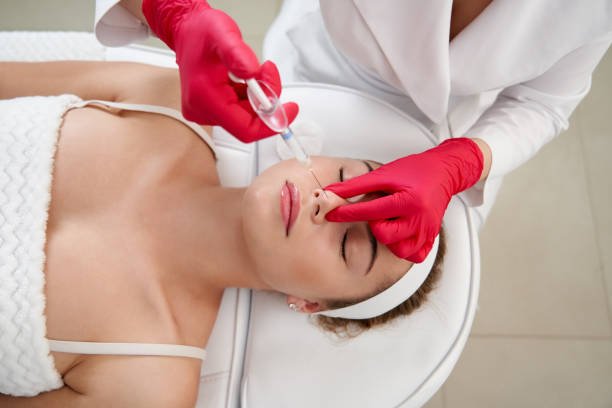
Achieving a clear, uniform complexion can sometimes feel like an uphill battle when stubborn dark spots or uneven skin tone decide to linger. Modern aesthetic care offers advanced solutions, making Pigmentation Treatment in Abu Dhabi a popular choice for individuals seeking to restore their skin’s natural radiance and clarity. Whether dealing with the aftermath of a sun-soaked holiday or lingering marks from past breakouts, targeted interventions can profoundly transform skin texture and appearance.
Understanding Skin Pigmentation and Its Common Triggers
Skin coloration is primarily determined by melanin, a natural pigment produced by specialized cells called melanocytes. When these cells become overactive, they produce excess melanin, leading to localized darkening or patches on the skin surface. Understanding why these imbalances occur is the first step toward finding an effective resolution.
- Ultraviolet Radiation: Prolonged sun exposure stimulates melanin production as a defense mechanism, resulting in dark spots and uneven tone.
- Hormonal Fluctuations: Internal shifts, often triggered during pregnancy or through medication, can stimulate melanin synthesis, particularly on the face.
- Post-Inflammatory Responses: Skin trauma, including acne lesions, cuts, or burns, frequently leaves behind persistent dark marks as the tissue heals.
- Natural Aging: Cumulative environmental exposure over decades can lead to age spots, altering the overall uniformity of the complexion.
Addressing Sun Spots and Solar Lentigines
Sun spots, frequently referred to as age spots or liver spots, are among the most common skin concerns treated in modern aesthetics. These flat, darkened areas typically appear on areas of the body that receive the highest volume of cumulative sun exposure, such as the face, hands, shoulders, and arms.
- Targeted Breakdown: Specialized energy-based devices or topical agents focus on the excess melanin concentrated within these specific spots without harming surrounding tissue.
- Gradual Fading: As the treated skin cells shed naturally over subsequent weeks, the appearance of the sun spot significantly lightened, revealing clearer skin beneath.
- Preventative Synergy: Combining treatments with diligent daily sun protection helps prevent new solar lentigines from forming in the same areas.
Managing Melasma and Hormonal Discoloration
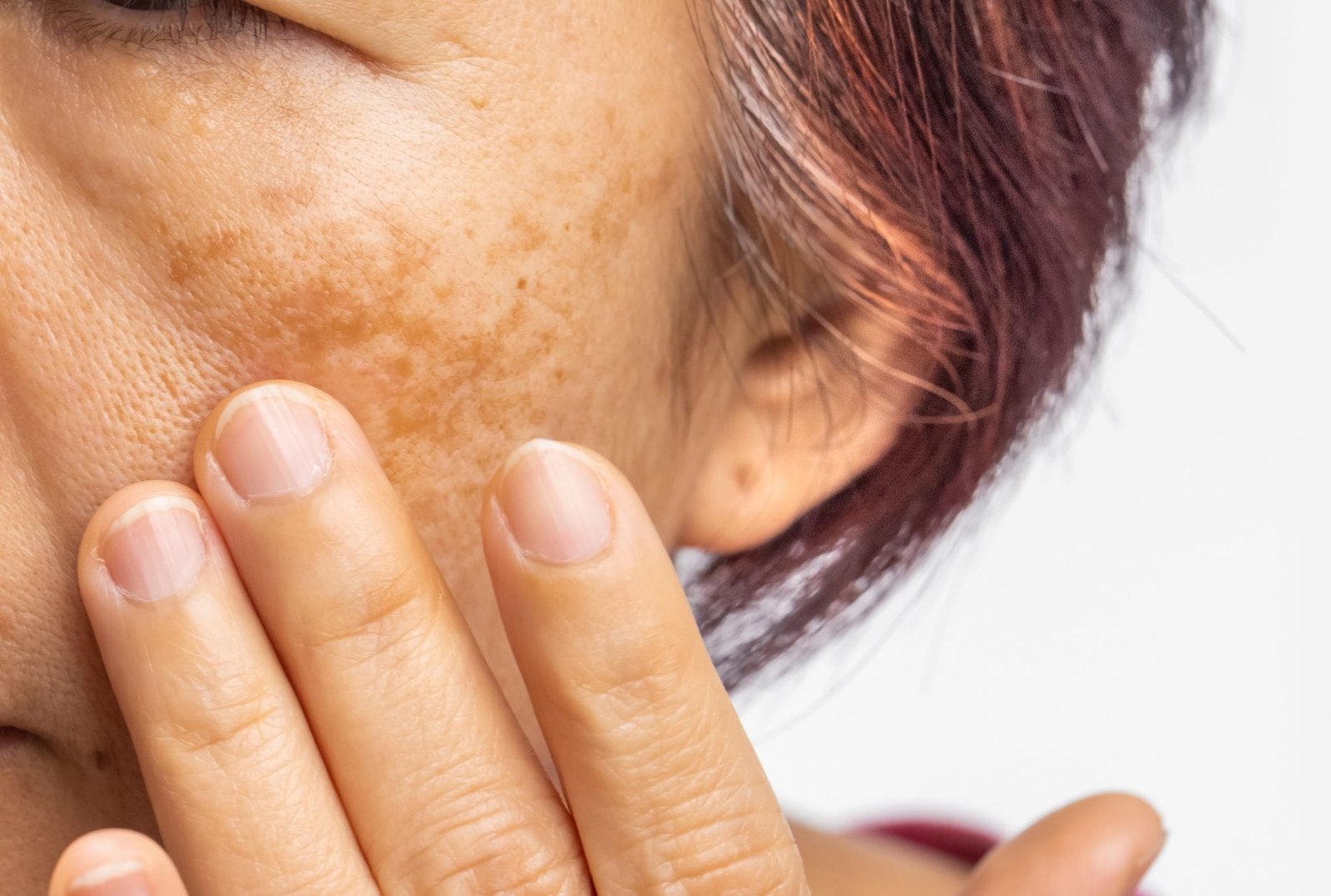
Melasma presents as symmetrical, brownish patches typically appearing across the forehead, cheeks, bridge of the nose, and upper lip. Because this condition is heavily linked to internal hormonal triggers, it often requires a delicate, comprehensive approach rather than a one-size-less solution.
- Multi-Layered Protocols: Professional management often involves gentle resurfacing agents combined with targeted skincare routines to regulate melanin production at a cellular level.
- Long-Term Management: Since internal triggers can cause melasma to recur, ongoing maintenance strategies are essential for keeping the patches subdued and the skin tone balanced.
- Barrier Support: Strengthening the skin’s natural protective barrier ensures the complexion remains resilient against external irritants that could worsen discoloration.
Resolving Post-Inflammatory Hyperpigmentation
Every time the skin experiences significant inflammation—such as a deep cystic acne breakout, an aggressive scratch, or an allergic reaction—it can leave behind a dark mark long after the initial issue has healed. This phenomenon is known as post-inflammatory hyperpigmentation.
- Cellular Turnover: Encouraging faster cellular renewal helps push pigmented cells to the surface quicker, allowing them to slough off naturally.
- Inhibition of Melanin: Specialized formulations work to block the enzymes responsible for excess pigment creation during the healing phase of skin trauma.
- Even Texture Restoration: Beyond just fading the dark spots, comprehensive care smooths out textural irregularities often left behind by the initial inflammation.
Correcting Freckles and Ephelides
While many people embrace their natural freckles, others look for ways to soften their appearance if they cluster densely or darken significantly under environmental influence. Ephelides are small, flat spots caused by a genetic predisposition combined with sun exposure.
- Selective Lightening: Specialized interventions target the concentrated pigment clusters within freckles, allowing individuals to achieve a more uniform skin canvas.
- Customized Control: Treatments can be tailored to either fade freckles entirely or simply soften their contrast depending on individual aesthetic preferences.
Conclusion
Navigating skin discoloration can be challenging, but understanding the specific concerns that modern aesthetic treatments can address empowers individuals to make informed choices for their skincare journey. By targeting the root causes of melanin overproduction—from sun exposure and hormonal shifts to post-breakout marks—targeted care helps unveil a smoother, more balanced, and luminous complexion.
Frequently Asked Questions
What causes skin pigmentation to develop unevenly?
Uneven skin pigmentation primarily occurs when melanin-producing cells become overstimulated by factors such as ultraviolet radiation, hormonal fluctuations, inflammation, and the natural aging process.
Can pigmentation treatments be customized for different skin types?
Yes, modern aesthetic approaches offer a wide variety of modalities that can be precisely calibrated to match an individual’s unique skin type, tone, and specific discoloration concerns safely and effectively.
How long does it typically take to see results from pigmentation care?
Visible improvements generally unfold gradually over several weeks as the skin completes its natural renewal cycles and processes the excess pigment, with the exact timeline depending on the depth and severity of the discoloration.
Is daily sun protection necessary after undergoing skin pigmentation care?
Consistently applying broad-spectrum sun protection is essential, as ultraviolet exposure is a primary trigger for melanin production and can quickly cause treated pigmentation to return.