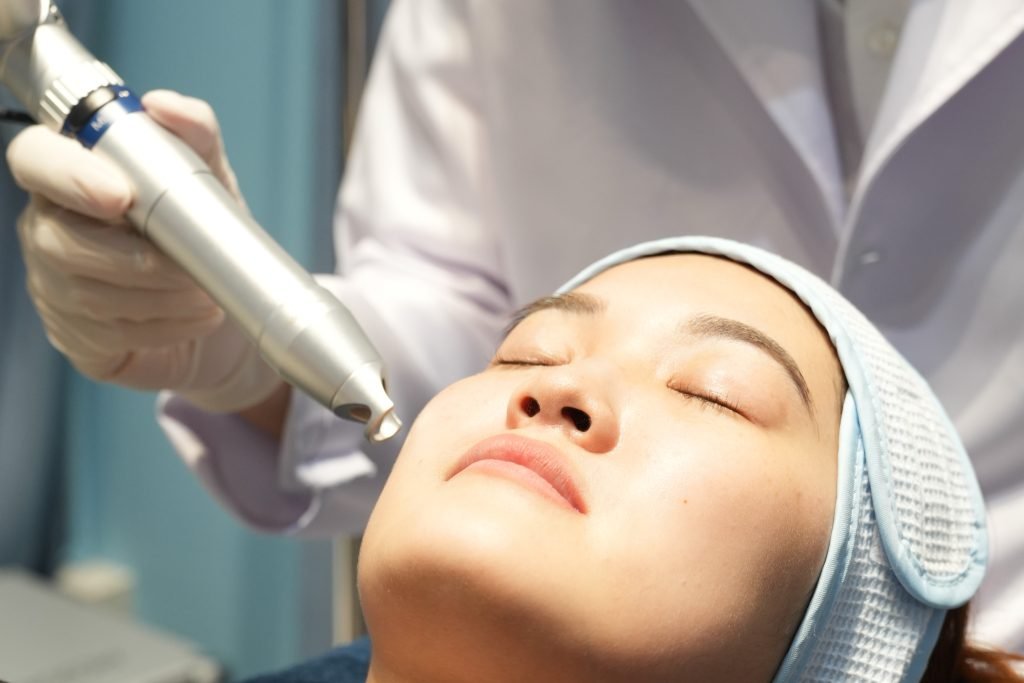
Modern aesthetic technology has transformed how skin concerns are addressed, offering faster and gentler solutions for common complexion issues. Many individuals seeking clearer, smoother skin often explore options like Pico Laser Treatment in Abu Dhabi to achieve an even and radiant appearance without extended recovery periods. By delivering ultra-short bursts of energy in trillionths of a second, picosecond laser technology shatters unwanted pigment and stimulates natural skin renewal beneath the surface. Understanding the exact range of skin conditions this innovative approach targets helps readers make informed decisions about their skincare goals.
- Ultra-Short Pulse Technology: Picosecond lasers emit energy in trillionths of a second to shatter pigment particles using photoacoustic pressure rather than excessive heat.
- Dual-Action Skin Renewal: The laser simultaneously clears unwanted discoloration while triggering natural collagen and elastin production in deeper skin layers.
- Broad Versatility: This approach addresses a wide spectrum of concerns, ranging from stubborn dark spots and acne marks to uneven texture and early signs of aging.
Understanding How Picosecond Laser Technology Works
Traditional laser devices rely heavily on thermal energy, which heats up targeted pigment and can sometimes affect surrounding skin cells. Picosecond laser systems operate differently by utilizing a photoacoustic effect. The energy pulses are so rapid that they create gentle pressure waves that shatter targeted pigment or ink into microscopic, dust-like particles. Once broken down into tiny fragments, the body’s natural lymphatic system gradually absorbs and clears them away, revealing clearer skin over time.
In addition to clearing pigmentation, specialized fractional handpieces can create microscopic pressure zones in the dermis. This controlled stimulus signals the body to initiate its natural healing cascade, producing fresh collagen and elastin fibers without damaging the outer protective barrier of the skin.
- Photoacoustic Mechanism: Rapid light pulses shatter pigment into tiny fragments through pressure waves instead of relying on prolonged heat.
- Natural Clearance: The body’s immune and lymphatic pathways naturally eliminate the fragmented pigment particles following each session.
- Dermal Remodeling: Fractional lenses stimulate new collagen and elastin synthesis while leaving the outer skin surface intact.
Pigmentation and Discoloration Issues
Uneven skin tone is one of the primary reasons people seek laser skin rejuvenation. Excess melanin production triggered by ultraviolet exposure, hormonal fluctuations, or genetics can lead to noticeable patches and spots. Picosecond lasers are engineered to target melanin clusters with high precision across multiple wavelengths.
Sun Spots and Age Spots
Prolonged exposure to ultraviolet rays accelerates melanin accumulation, resulting in flat, darkened patches known as solar lentigines or sun spots. These commonly appear on the face, hands, shoulders, and chest. Picosecond energy breaks apart these concentrated melanin deposits, allowing the darkened spots to fade gradually and blend seamlessly with the surrounding complexion.
- Targeted UV Damage: Breaks down concentrated melanin clusters caused by cumulative sun exposure.
- Multi-Area Application: Effectively clears discoloration on the face, neck, chest, arms, and backs of the hands.
- Gradual Brightening: Restores uniform clarity as treated spots lighten and flake away naturally.
Melasma and Hormonal Pigmentation
Melasma presents as symmetrical, blotchy brown or gray-brown patches, most frequently across the cheeks, forehead, upper lip, and bridge of the nose. Because melasma is sensitive to heat and easily triggered by inflammation, traditional high-heat lasers can sometimes worsen the condition. Picosecond lasers use low-energy settings and gentle photoacoustic pulses to fragment excess pigment without generating excessive thermal buildup, making it a preferred option for managing stubborn melasma patches.
- Low-Heat Precision: Minimizes thermal stimulation that could otherwise trigger rebound pigmentation in sensitive skin.
- Deep and Superficial Reach: Different wavelengths address both epidermal and deeper dermal melanin layers.
- Gentle Toning: Gradually softens symmetrical patches for a more balanced overall complexion.
Freckles and Uneven Skin Tone
While some people love their freckles, others prefer a more uniform complexion when sun-induced ephelides become dense or dark. Picosecond laser toning gently disperses excess pigment in superficial skin layers, lightening dense freckles and correcting dull, patchy, or sallow skin tones.
- Superficial Pigment Clearance: Targets dense clusters of sun-induced freckles without harming nearby healthy cells.
- Luminosity Boost: Eliminates dullness by clearing microscopic pigment buildup across the entire face.
- Balanced Complexion: Creates a brighter, more consistent baseline skin tone.
Acne Scars and Post-Breakout Marks
Breakouts often leave behind lingering reminders long after active blemishes have healed. Picosecond laser technology addresses both the flat discoloration left by inflammation and the physical indentations caused by collagen loss.
Post-Inflammatory Hyperpigmentation (PIH)
When a pimple or skin injury heals, the skin frequently overproduces melanin in that exact spot, leaving behind flat brown or dark marks known as post-inflammatory hyperpigmentation. Picosecond pulses directly target these localized melanin deposits, accelerating their breakdown so dark acne marks fade much faster than they would with topical products alone.
- Rapid Mark Fading: Shatters localized melanin left behind after inflammatory breakouts.
- Non-Thinning Action: Clears dark marks without peeling or thinning the surrounding skin barrier.
- Versatile Application: Suitable for post-acne dark spots on the face, jawline, back, and chest.
Post-Inflammatory Erythema (PIE)
In addition to brown marks, recent breakouts often leave behind persistent pink or red spots known as post-inflammatory erythema. Low-energy picosecond toning helps calm residual redness and supports faster vascular recovery, evening out the blotchy appearance that lingers after acne clears.
- Redness Reduction: Calms persistent pink and red discoloration left by recent blemishes.
- Accelerated Healing: Encourages quicker resolution of post-breakout vascular marks.
- Smoother Tone Transition: Blends blotchy areas back into the natural skin color.
Atrophic Acne Scars
Deeper breakouts can damage underlying tissue, resulting in depressed scars such as rolling, boxcar, or shallow ice-pick indentations. Using specialized fractional optics, picosecond lasers create tiny micro-injuries beneath the epidermis. This triggers robust collagen remodeling that gradually plumps and lifts depressed scar tissue, smoothing out uneven contours.
- Collagen Remodeling: Stimulates fresh structural proteins to fill in depressed rolling and boxcar scars.
- Surface Smoothing: Softens sharp scar edges for a noticeably more even skin surface.
- Intact Epidermis: Rebuilds deeper dermal layers without ablating or wounding the outer skin.
Signs of Aging and Texture Concerns
As natural collagen and elastin levels decline over time, the skin begins to lose its firmness, elasticity, and smooth surface texture. Picosecond skin rejuvenation offers a non-invasive way to refresh aging skin.
Fine Lines and Wrinkles
Repeated facial expressions and environmental stressors lead to fine lines around the eyes, mouth, and forehead. By stimulating the production of new collagen and elastin fibers in the dermis, picosecond treatments help plump the skin from within, softening the appearance of fine lines and early wrinkles.
- Elastin and Collagen Boost: Replenishes essential structural proteins that naturally diminish with age.
- Line Softening: Smooths fine creases around delicate areas like the eyes and mouth.
- Improved Firmness: Restores bounce and elasticity for a naturally refreshed look.
Enlarged Pores and Rough Skin Texture
Excess sebum production, loss of skin elasticity, and sun damage can cause pores to stretch and appear prominent, giving the complexion a rough or grainy texture. The dermal remodeling triggered by picosecond energy tightens the supportive tissue surrounding pore walls, making pores look visibly smaller and refining overall skin smoothness.
- Pore Refinement: Tightens surrounding collagen structures to minimize the look of enlarged pores.
- Silky Texture: Smooths rough, bumpy patches for a polished, glass-skin finish.
- Balanced Skin Surface: Enhances light reflection across the face for a healthy, natural glow.
Unwanted Tattoos and Benign Birthmarks
Beyond everyday complexion issues, picosecond lasers are widely recognized for their ability to clear exogenous ink and congenital pigment spots.
Multicolored and Stubborn Tattoos
Picosecond technology originally gained prominence for its exceptional performance in tattoo removal. Because the ultra-short pulses shatter ink into much smaller particles than older nanosecond lasers, the body can clear the ink more efficiently. Different wavelengths allow the laser to target a wide spectrum of ink colors, including stubborn blues, greens, blacks, and reds.
- Microscopic Ink Fragmentation: Breaks tattoo ink into tiny dust-like particles for faster lymphatic clearance.
- Multi-Color Capability: Effectively targets difficult shades such as blue, green, red, and dark black ink.
- Fading Resistant Ink: Clears older or previously treated tattoos that did not respond fully to traditional methods.
Pigmented Birthmarks
Certain benign congenital pigmented lesions, such as café-au-lait spots or nevus of Ota, can also be lightened using picosecond wavelengths. By selectively targeting excess melanin within the birthmark while preserving surrounding tissue, the laser gradually reduces contrast and blends the mark closer to the natural skin tone.
- Selective Pigment Targeting: Focuses energy specifically on congenital melanin clusters.
- Progressive Lightening: Gradually softens the appearance of flat, pigmented birthmarks over a series of sessions.
- Tissue Preservation: Protects neighboring unpigmented skin cells during the lightening process.
Frequently Asked Questions (FAQs)
How does Pico Laser differ from traditional laser skin treatments?
Traditional lasers primarily use photothermal energy, which relies on sustained heat to destroy pigment. In contrast, picosecond lasers deliver energy in ultra-short trillionths-of-a-second bursts that create a photoacoustic pressure wave. This shatters pigment into tiny particles with minimal heat transfer to surrounding skin tissue.
- Photoacoustic vs. Photothermal: Uses rapid pressure waves rather than prolonged heat to break up discoloration.
- Finer Particle Breakdown: Creates smaller pigment fragments that the body clears more easily.
Can Pico Laser address both skin discoloration and texture in the same plan?
Yes, picosecond systems are designed to address both pigment and structural concerns. Standard toning modes target excess melanin to clear dark spots and uneven tone, while specialized fractional lenses stimulate collagen and elastin production to smooth fine lines, enlarged pores, and mild acne scars.
- Dual Functionality: Combines pigment-shattering wavelengths with collagen-stimulating fractional optics.
- Comprehensive Rejuvenation: Improves overall clarity, brightness, and surface smoothness simultaneously.
Which body areas can benefit from Pico Laser skin rejuvenation?
While the face is the most popular treatment area, picosecond technology can safely be applied to several other parts of the body. Common areas include the neck, chest, back, shoulders, arms, and backs of the hands where sun damage, freckles, or post-acne marks frequently appear.
- Face and Neck: Targets melasma, enlarged pores, fine lines, and facial acne marks.
- Body Areas: Clears sun spots and discoloration on the hands, arms, back, and chest.
Why are multiple sessions typically needed for optimal Pico Laser results?
Skin concerns such as deep melasma, acne scarring, and layered tattoo ink exist across multiple depths within the skin. Spacing sessions several weeks apart allows the body’s lymphatic system time to clear shattered pigment particles and gives dermal cells adequate time to synthesize fresh collagen between appointments.