Modern aesthetic dermatology has evolved significantly, offering gentle yet remarkably effective non-surgical options for skin revitalization. Achieving a smooth, luminous, and even-toned complexion no longer requires lengthy recovery times or intense skin peeling. Innovative picosecond technology has transformed standard approaches to correction and renewal, allowing individuals to target deep-seated irregularities while enhancing overall vitality.
Among the latest breakthroughs, Enlighten Pico Genesis in Abu Dhabi offers a non-thermal picosecond laser approach designed to address complex pigment concerns and age-related textural shifts with precision. By combining ultra-short energy pulses with dual-wavelength capabilities, this multi-dimensional system works beneath the upper layer of skin to restore clarity and youthfulness. Below, we take a detailed look at how this advanced treatment operates, the specific skin concerns it can manage, and how it contributes to long-term skin health.
What is Enlighten Pico Genesis?
To fully appreciate what this light-based technology can accomplish, it is helpful to understand how picosecond laser energy differs from traditional aesthetic lasers.
- Picosecond Pulse Technology: Traditional laser skin treatments rely primarily on photothermal (heat) energy to break down pigment or damage target cells. Picosecond technology delivers laser energy in ultrashort bursts measured in trillionths of a second.
- Acoustic Wave Action: Rather than heating the surrounding skin tissue, these ultra-fast energy pulses create an acoustic (vibrational) effect that shatters target pigment into micro-particles.
- Dual Wavelength Versatility: The system combines multiple wavelengths, allowing customized approaches for both superficial discoloration and deeper dermal irregularities.
- Natural Cellular Response: The body’s natural metabolic processes easily absorb and flush out shattered pigment particles over time, revealing clearer, brighter skin layers underneath.
Key Skin Concerns Addressed by Picosecond Energy
The unique mechanism of picosecond light energy allows it to target a broad spectrum of structural and pigmentary irregularities across all skin types.
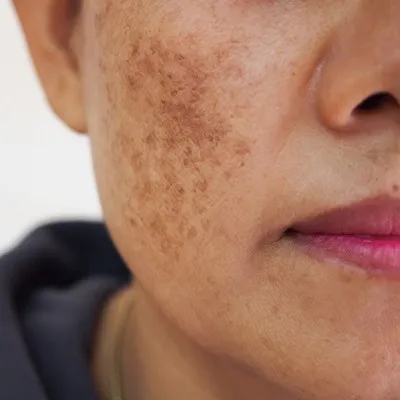
Hyperpigmentation and Sun Damage
- Melanin Fragmentation: Sunspots, freckles, and age-related hyperpigmentation occur when melanin concentrates in specific areas of the skin.
- Targeted Vibrational Energy: Picosecond laser light selectively targets excess melanin clusters, shattering them without harming adjacent healthy skin tissue.
- Even Tone Restoration: As the body eliminates these micro-particles, skin tone becomes noticeably more uniform and radiant.
Persistent Melasma
- Gentle Thermal Control: Melasma is famously sensitive to heat, often worsening if exposed to intense thermal laser energy.
- Photomechanical Precision: Because picosecond technology relies on non-thermal soundwaves rather than destructive heat, it breaks up stubborn dermal and epidermal melasma safely without stimulating excess pigment production.
- Multi-Layer Deposition Treatment: It reaches deeper layers of skin tissue to dismantle deep-seated patches that topical skincare creams cannot effectively reduce.
Uneven Skin Texture and Enlarged Pores
- Dermal Remodeling: Beyond treating surface discoloration, ultra-short laser pulses penetrate the underlying dermal structural layer to encourage tissue rebuilding.
- Pore Refinement: The micro-vibrations help refine expanded pore walls, creating a smoother and tighter surface texture.
- Smooth Surface Transition: Rough or irregular skin patches gradually smooth out, improving overall skin radiance and softness.
Early Signs of Aging and Fine Lines
- Natural Collagen Activation: The gentle shockwaves delivered by picosecond pulses signal the skin to initiate its natural structural repair processes.
- Elastin and Collagen Boost: Over time, fresh collagen and elastin fibers form, strengthening the dermal architecture.
- Plumping Fine Lines: Increased collagen density fills out subtle facial lines, crease marks, and early structural volume loss.
Post-Inflammatory Hyperpigmentation and Acne Marks
- Clearing Discolored Marks: Discolored dark spots left behind after acne breakouts or skin trauma respond rapidly to picosecond energy.
- Accelerated Turnover: The laser stimulates healthy cellular turnover, helping the skin naturally shed dark post-acne marks faster than standard topical solutions.
- Texture Smoothing: Combined textural and pigmentary repair helps restore a flawless, clear surface in areas affected by past blemishes.
Tattoo Pigment Breakdown
- Ink Particle Shattering: The intense photomechanical impact is highly effective at shattering complex cosmetic and decorative tattoo ink deposits into microscopic fragments.
- Broad-Spectrum Color Treatment: Dual wavelengths allow effective targeting of both dark and stubborn colored ink pigments across various depths.
- Gradual Fading: The lymphatic system removes shattered ink particles over subsequent weeks, resulting in progressive pigment clearance.
How Picosecond Laser Technology Works in the Skin
Understanding the physiological process helps explain why picosecond treatment provides comprehensive skin rejuvenation.
- Selective Photothermolysis: Light energy selectively targets specific pigments (melanin or ink) based on color frequency, preserving surrounding unpigmented cells.
- Photomechanical Shattering: Ultra-short energy duration converts light into pressure waves, crushing dark spots into dust-like particles rather than melting them.
- Micro-Response Trigger: The non-thermal shockwaves create microscopic structural shifts within the dermis, prompting a natural regenerative healing cascade.
- Neocollagenesis: As tissue remodeling occurs over weeks following treatment, the skin produces fresh collagen fibers, improving elasticity and firmness.
What to Expect During and After Treatment
A complete understanding of the treatment journey ensures realistic expectations and proper ongoing skincare management.
Pre-Treatment Preparation
- Sun Protection: Maintaining consistent sun avoidance and using broad-spectrum sunscreen before laser therapy minimizes reactive pigment responses.
- Skincare Adjustments: Temporarily pausing strong exfoliating acids or active retinoids allows the skin’s barrier to remain strong and balanced prior to light exposure.
General Application Process
- Surface Cleansing: The target area is thoroughly cleansed to remove surface oils, makeup, and impurities.
- Laser Delivery: The handpiece delivers comfortable, rapid pulses across the targeted zones, often described as a faint tapping or tingling sensation.
- Session Duration: Sessions are efficient, typically requiring less than half an hour depending on the surface area being addressed.
Post-Treatment Care Guidelines
- Continuous Sun Defense: Protecting newly treated skin with physical shade and high-factor broad-spectrum sunscreen prevents recurring pigment accumulation.
- Moisture Support: Applying gentle, non-comedogenic moisturizers aids in maintaining optimal skin barrier repair and hydration.
- Avoiding Harsh Actives: Avoiding aggressive physical scrubs or strong chemical exfoliants for a few days lets the upper skin layer heal naturally.
Frequently Asked Questions
What makes picosecond laser technology different from standard laser skin treatments?
Standard lasers primarily rely on thermal (heat) energy delivered in nanoseconds to destroy target tissue, which can irritate heat-sensitive skin conditions. Picosecond technology uses ultra-short energy bursts in trillionths of a second, producing an acoustic soundwave effect that shatters pigment without overheating surrounding skin tissue.
How many sessions are typically needed to see clear skin improvements?
While individual skin responses vary based on the depth and severity of discoloration, visible brightness and tone improvements are often observed after 2 to 3 sessions. A customized series of treatments may be structured to achieve optimal skin clearance and collagen building.
Is there a long recovery period required after a session?
Because this non-thermal picosecond method respects the integrity of the outer skin layer, downtime is virtually non-existent. Individuals can immediately resume their daily work and social routines while maintaining simple hydration and proper sun protection protocols.
Can picosecond skin rejuvenation be performed on all skin tones?
Yes, picosecond technology is uniquely suited for a wide spectrum of skin tones. The non-thermal photomechanical mechanism reduces the risk of post-treatment pigment changes that traditional thermal heat lasers might induce in melanin-rich skin.