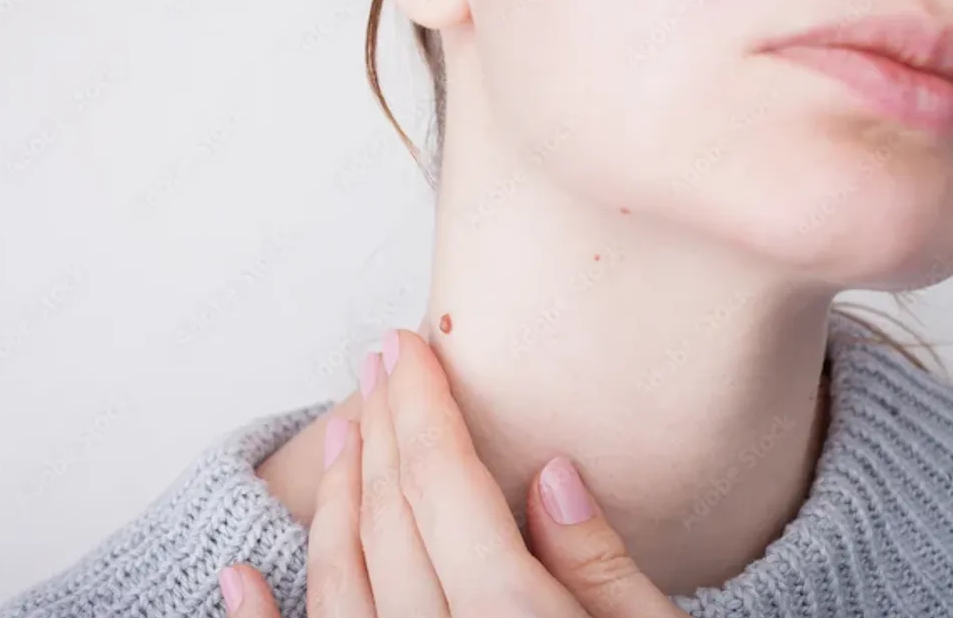
Warts are common skin growths caused by the Human Papillomavirus (HPV). While they are generally harmless, many people choose to remove them for cosmetic reasons, comfort, or to prevent them from spreading to other parts of the body or other people. Undergoing a Warts Removal Treatment Abu Dhabi is a simple and routine procedure, but understanding what happens during the recovery period is essential for smooth healing and achieving the best results.
Understanding the Healing Process After Warts Removal
The post-treatment phase varies depending on the specific method used to clear the skin growth. Regardless of the exact technique, your skin undergoes a natural recovery cycle to rebuild healthy tissue and restore its smooth texture.
Immediate Post-Procedure Reactions
- Initial skin response: Right after the procedure, the treated area typically shows mild redness, slight swelling, or localized sensitivity.
- Formation of a protective barrier: The skin begins to shield itself naturally, often forming a light crust or scab over the surface.
- Temporary discomfort: A minor stinging or warm sensation may persist for a few hours, which quickly subsides as the skin settles.
Days 1 to 7: Early Stage Recovery
- Scab development: The crust or scab becomes firm, acting as a natural bandage to protect the fragile skin beneath it.
- Mild itching: As tissue regeneration begins, mild itching is common; however, scratching must be avoided to prevent irritation.
- Cleanliness maintenance: Keeping the target zone dry and gently cleaned helps prevent surface complications and supports steady repair.
Weeks 2 to 4: Complete Tissue Regeneration
- Natural scab shedding: The scab will naturally dry up and flake off once the underlying epidermal layer has sufficiently recovered.
- New skin appearance: The fresh skin underneath will appear slightly pinkish or lighter than the surrounding area.
- Gradual blending: Over the following weeks, the pigmentation normalizes, seamlessly matching your natural skin tone.
Essential Aftercare Practices for Optimal Recovery
Proper post-procedure care is critical to ensuring your skin heals smoothly, efficiently, and without visible marks or complications. Following established hygiene and care guidelines helps preserve the skin’s integrity.
Keeping the Area Clean and Protected
- Gentle washing: Wash the treated site using mild, fragrance-free soap and lukewarm water to avoid irritating delicate skin.
- Pat dry gently: Always pat the surface dry with a clean towel or paper tissue rather than rubbing it vigorously.
- Protective covering: Use a breathable sterile dressing if recommended, especially if the treated area comes into contact with clothing.
Protecting the Skin from Sun Exposure
- UV sensitivity: Newly regenerated skin is exceptionally sensitive to ultraviolet radiation, making sun protection vital.
- Broad-spectrum protection: Apply a generous layer of high-SPF broad-spectrum sunscreen once the surface scab has fully shed.
- Physical barriers: Wear protective clothing or wide-brimmed hats when spending extended time outdoors during peak daylight hours.
Avoiding Common Recovery Mistakes
- No picking or scratching: Never pick, scratch, or force off scabs prematurely, as this disrupts the skin’s natural regeneration.
- Postpone harsh skincare products: Avoid chemical exfoliants, retinoids, or alcohol-based lotions on the treated area until it fully recovers.
- Limit swimming and soaking: Avoid hot tubs, public swimming pools, and prolonged soaking in water until the skin surface is completely sealed.
What Changes to Expect on Your Skin Appearance
Observing the visual transformation of your skin over the weeks following care provides reassurance that your body is repairing itself effectively.
Texture and Color Normalization
- Initial pinkness: Freshly revealed skin often looks brighter or pinker than surrounding areas due to increased blood flow for healing.
- Softening texture: The tissue might initially feel slightly raised or firm, but it softens progressively as collagen remodels.
- Tone matching: Within a few weeks to months, melanin production stabilizes, allowing the treated spot to blend with your skin color.
Managing Expectations for Skin Smoothness
- Patience in skin renewal: Skin cell turnover takes time, and complete visual restoration typically requires several weeks.
- Individual variations: Recovery times differ based on skin type, the original size of the growth, and personal health factors.
- Long-term outcome: With consistent aftercare, the treated area becomes virtually indistinguishable from surrounding healthy tissue.
Lifestyle Adjustments During the Recovery Phase
Making minor, temporary adjustments to your daily routine can accelerate skin recovery and protect the newly treated area from unnecessary strain.
Modifying Daily Activities and Workouts
- Reduce intense friction: Avoid tight clothing or gear that rubs continuously against the healing site during physical exercises.
- Manage excessive sweating: Excessive perspiration can irritate raw skin, so light activities are preferred for the first few days.
- Hydration and rest: Maintain good bodily hydration and adequate sleep to support your immune system and skin health.
Preventing Recurrence and Spreading
- Avoid touching the area: Keep hands away from the recovering skin unless cleaning it to minimize transferring surface microbes.
- Personal item separation: Do not share personal items like towels, razor blades, or clothing while the area is healing.
- Maintain skin moisture: Keep your overall skin well-moisturized after initial healing to support a strong skin barrier.
Frequently Asked Questions
How long does it take for the skin to fully heal after treatment?
Most surface healing occurs within 7 to 14 days, during which the initial scab forms and falls off naturally. Complete tissue remodeling and tone normalization usually take between 3 to 6 weeks, depending on individual skin renewal rates and the size of the area treated.
Can I apply makeup or cosmetics over the treated site right away?
It is recommended to wait until the skin surface has fully closed and any initial crusting or scabbing has completely fallen off. Applying makeup over open or healing skin can introduce debris, delay recovery, or cause surface irritation.
Will the skin leave a noticeable scar after the procedure?
When appropriate aftercare guidelines are carefully followed—such as allowing scabs to drop off naturally and protecting the site from direct sun exposure—the risk of noticeable marks is minimal. Fresh skin may look slightly pink at first, but it gradually blends with your natural skin tone over time.
Can I resume regular exercise immediately after the procedure?
Light physical activities can usually be resumed right away. However, strenuous exercises that cause heavy sweating, intense friction against the treated area, or require public equipment usage should be limited for the first couple of days to keep the site clean and dry.