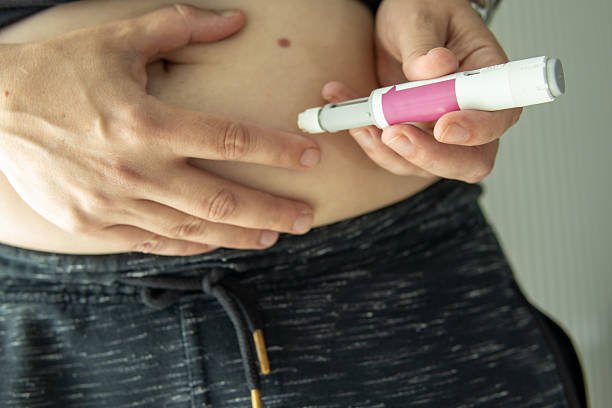
Starting a prescription medicine is an important healthcare decision, particularly when it is intended for ongoing management of type 2 diabetes. Before considering Ozempic Injections in Abu Dhabi, it is useful to understand how the treatment fits your medical needs, current medicines, and long-term goals. Ozempic contains semaglutide and is approved to improve blood glucose control in adults with type 2 diabetes alongside diet and exercise. Asking the right questions before treatment can help you understand what to expect, how progress will be assessed, and whether this medicine is appropriate for your individual circumstances.
Is Ozempic Appropriate for My Treatment Goals?
One of the most important questions to ask is whether Ozempic matches the reason you are seeking treatment. Ozempic is primarily indicated to improve glycemic control in adults with type 2 diabetes, and it is used together with diet and exercise.
Although semaglutide treatment can also be associated with reductions in body weight, Ozempic should not automatically be considered the right option for someone whose only objective is weight management. The appropriate treatment depends on the individual’s diagnosis, health circumstances, and specific goals.
Understanding the intended purpose of treatment from the beginning can help establish realistic expectations and prevent confusion about what the medicine is designed to accomplish.
What Should You Tell Your Healthcare Professional?
Before using Ozempic, provide a complete medical history and explain all prescription medicines, over-the-counter products, and other treatments you currently use. Certain health conditions and medications can influence whether semaglutide is an appropriate choice.
The prescribing information identifies specific situations in which Ozempic should not be used, including a personal or family history of medullary thyroid carcinoma or Multiple Endocrine Neoplasia syndrome type 2. It is also not indicated for people with type 1 diabetes or for the treatment of diabetic ketoacidosis.
Being open about your medical history gives your healthcare professional the information needed to assess whether Ozempic fits your treatment plan.
What Dose Will I Start With?
Understanding the starting dose can make the treatment process easier to follow. The recommended starting dose of Ozempic is 0.25 mg once weekly for four weeks. This is an initiation dose rather than a maintenance dose for glycemic control.
After the initial four weeks, the dosage is generally increased to 0.5 mg once weekly. If additional glycemic control is needed, further increases may be considered after the required period at the preceding dose.
Asking why a particular starting dose has been selected can help you understand the gradual nature of treatment and why increasing the dosage more quickly is not recommended.
How Will My Dose Be Adjusted?
Dose escalation should be based on treatment response and individual needs. The prescribing information allows the dosage to increase from 0.5 mg to 1 mg once weekly after at least four weeks when additional glycemic control is needed. If further control is required after at least four weeks at 1 mg, the dosage may be increased to 2 mg once weekly.
The maximum recommended dosage for glycemic control is 2 mg once weekly.
It is important to ask how your response will be evaluated before any increase is considered. The goal is not necessarily to reach the highest dose but to find the appropriate dose for your treatment objectives.
How Will We Know Whether the Treatment Is Working?
Another valuable question concerns how progress will be measured. Blood glucose readings can provide information about day-to-day control, while HbA1c gives a broader picture of average glucose levels over approximately two to three months.
Your healthcare professional may use these measurements alongside other relevant health information to determine whether Ozempic is achieving its intended purpose. Establishing the expected monitoring schedule before starting treatment can make it easier to recognize meaningful progress.
Treatment success should be evaluated using objective measures rather than relying only on how you feel.
Should You Continue Your Current Diabetes Medicines?
If you already take medication for diabetes, ask how Ozempic will fit into your existing treatment plan. Semaglutide can be prescribed alongside certain other diabetes medicines, but the complete medication regimen needs to be considered.
Do not assume that starting Ozempic means another medicine should automatically be stopped or reduced. Each treatment may have a specific role, and changes should be made only according to appropriate medical guidance.
Providing an accurate list of everything you currently take helps ensure that your overall treatment plan can be evaluated properly.
What Lifestyle Changes Should Accompany Treatment?
Ozempic is intended to be used alongside diet and exercise. Asking what nutritional and physical-activity approach is appropriate for your circumstances can help you understand how medication fits into your broader diabetes-care strategy.
Rather than focusing on short-term restrictions, the emphasis should generally be on sustainable habits that support blood glucose management and overall health. Regular physical activity and a balanced dietary pattern can complement the effects of medication and contribute to long-term treatment goals.
The most appropriate lifestyle approach can vary according to individual health needs, so personalized guidance is valuable.
How Often Will You Need Follow-Up?
Ask how frequently your treatment should be reviewed after starting Ozempic. Follow-up allows your healthcare professional to evaluate glucose control, HbA1c, treatment adherence, and progress toward individual goals.
It also provides an opportunity to determine whether the current dosage remains appropriate. If treatment goals are not being achieved, the overall strategy can be reassessed rather than making independent changes to the medication.
Regular follow-up is particularly important because diabetes management can evolve as health circumstances and treatment needs change.
What Should You Know About the Injection Schedule?
Ozempic is administered once weekly. Understanding the correct day, timing, injection technique, and storage requirements before starting treatment can help you establish a consistent routine.
Ask what to do if you miss a scheduled dose, as the prescribing information provides specific instructions depending on how much time has passed since the missed dose. It is better to clarify this in advance than make an assumption if a dose is forgotten.
Following the prescribed administration instructions helps maintain consistency throughout treatment.
Are There Reasons You Should Not Use Ozempic?
Before beginning treatment, ask specifically whether any aspect of your medical history makes Ozempic unsuitable. The prescribing information contains important restrictions concerning certain thyroid conditions and other medical circumstances.
Pregnancy and plans for pregnancy should also be discussed because treatment decisions may need to change. Likewise, existing gastrointestinal conditions, kidney-related concerns, or other relevant health circumstances should be disclosed so that the treatment can be evaluated appropriately.
A complete assessment before treatment can help ensure that the decision is based on your individual health profile.
What Should Your Long-Term Goals Be?
Finally, ask what success should look like over the coming months. Diabetes management is not simply about achieving a single favorable glucose reading. Long-term goals may include maintaining an appropriate HbA1c, supporting healthy lifestyle habits, managing body weight where relevant, and reducing future health risks.
Having clear goals makes it easier to determine whether treatment continues to provide meaningful value. It also creates a framework for deciding whether the current approach should remain unchanged or be reassessed.
Making an Informed Decision
The decision to use Ozempic should be based on informed discussion rather than assumptions. Understanding the medicine’s purpose, starting dose, potential dose adjustments, monitoring requirements, injection schedule, and relationship with diet and exercise can help you approach treatment with realistic expectations.
Because individual treatment needs differ, there is no universal answer to whether Ozempic is right for everyone with diabetes. The most appropriate approach is to discuss your medical history, current treatment, and goals with a qualified healthcare professional before beginning therapy.
The Bottom Line
Asking questions before using Ozempic can make diabetes treatment more structured and easier to understand. The most important areas to discuss include whether the medicine matches your treatment goals, what dose you will start with, how progress will be monitored, how it fits with your existing medicines, and what lifestyle measures should accompany it.
Ozempic can be an important component of diabetes management for eligible adults with type 2 diabetes, but successful treatment depends on more than the injection itself. Clear communication, consistent use, appropriate monitoring, and a sustainable overall care plan can help ensure that treatment remains aligned with your long-term health goals.
FAQs
What is the first question to ask before starting Ozempic?
A useful starting question is whether Ozempic is appropriate for your specific diagnosis and treatment goals. Its primary approved use is improving blood glucose control in adults with type 2 diabetes alongside diet and exercise.
What dose does Ozempic usually start with?
The recommended starting dose is 0.25 mg once weekly for four weeks. It is an initiation dose, after which the prescribed treatment may progress to an appropriate maintenance dose.
Can Ozempic be taken with other diabetes medicines?
It may be used alongside certain other diabetes treatments, but your complete medication regimen should be reviewed before treatment begins. Do not independently stop, start, or change another medicine.
How is progress monitored while using Ozempic?
Blood glucose measurements and HbA1c can help assess treatment response. Additional health information may also be considered when determining whether the current treatment plan is meeting your goals.
Can you increase your Ozempic dose yourself?
No. Dose increases should follow the prescribed treatment schedule and be based on the need for additional glycemic control. Any adjustment should be made with appropriate medical guidance.