A mole can be a familiar part of someone’s appearance, but a raised, prominent, or changing spot may draw attention or cause discomfort. For people looking for a safe, considered way to address it, Mole Removal in Abu Dhabi is a popular treatment because it can offer both cosmetic improvement and a chance to have a mole assessed by a qualified professional.
Why People Consider Mole Removal
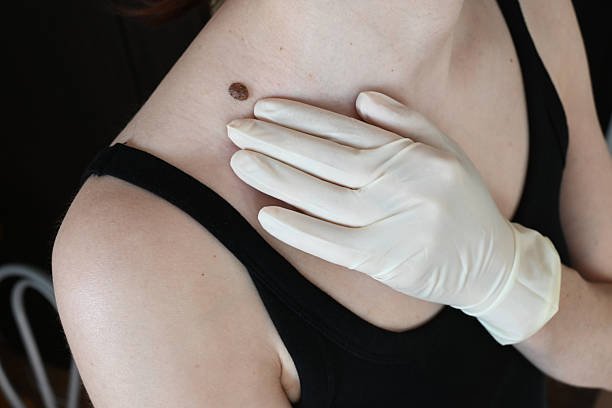
People choose to have moles removed for different reasons. Some would like to change the appearance of a mole that stands out, while others find that it catches on clothing or gets irritated during everyday activities. In some cases, a change in a mole’s appearance may prompt a professional assessment.
The decision is personal. A consultation can help clarify whether removal is appropriate, what method may suit the mole, and what kind of result is realistic. Rather than treating every mole as a cosmetic concern, a careful approach considers its appearance, location, history, and the person’s preferences.
Cosmetic Confidence and Personal Choice
A visible mole may affect how someone feels about their appearance, especially when it is on the face, neck, or another noticeable area. For some people, removal can help them feel more comfortable with their reflection or photographs. Others may simply prefer a smoother-looking area of skin.
These feelings are individual, and removal is not necessary just because a mole is visible. A good decision reflects the person’s own wishes and follows an informed discussion about possible outcomes. The aim is not to promise perfect skin, but to consider whether treatment could meet the person’s goals.
Comfort in Everyday Life
Moles in areas exposed to friction can become bothersome. A raised mole may rub against a collar, be caught while shaving, or feel uncomfortable when clothing presses against it. These practical concerns can make removal appealing even when appearance is not the main reason.
During an assessment, the professional can consider the mole’s position and how it affects daily routines. They can also explain whether removal is suitable and what to expect during the process. This allows the person to weigh the likely benefit against the healing period and the possibility of a mark.
Assessment Before Treatment
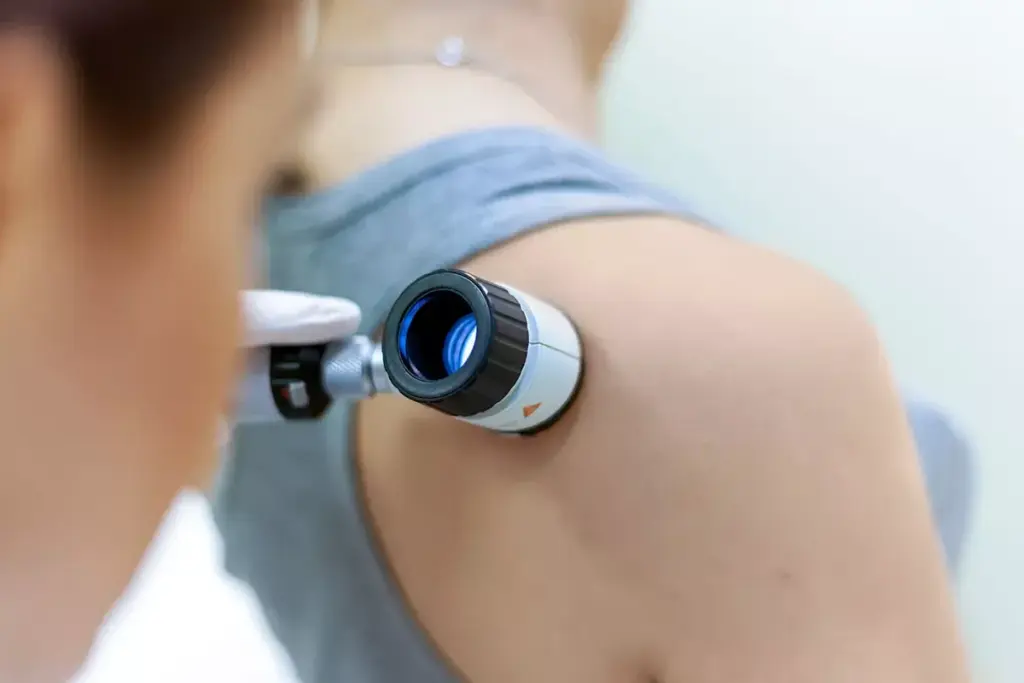
A mole should be assessed before a removal method is chosen. The professional may ask when it first appeared, whether it has changed, and whether it has caused symptoms. They may examine its size, shape, colour, and surface. If the mole appears unusual or needs closer evaluation, further assessment may be recommended before any cosmetic treatment.
This step matters because a mole is not simply a spot to remove without consideration. An appropriate assessment helps guide the treatment plan and may determine whether a sample should be examined. People should mention any changes they have noticed and share relevant skin history during the consultation.
Treatment Methods and Individual Suitability
The method used depends on the mole and the reason for removal. Some moles may be removed by shaving the raised portion, while others may require a small excision. The choice can depend on factors such as depth, location, size, and whether examination of the tissue is needed.
No single method suits every person or every mole. A professional can explain the options in plain language, including how the area may heal and whether a small scar could remain. Asking questions beforehand helps the person understand the plan and decide whether to proceed.
Why the Treatment Appeals to Many People
Mole removal is popular because it can address more than one concern. A person may seek a change in appearance, relief from repeated rubbing, or an assessment of a mole that has changed. The process is also tailored to the individual, with the treatment approach selected after examining the specific area.
For many, the appeal lies in having a clear plan rather than guessing what a mole means or how it should be handled. A professional consultation provides an opportunity to discuss concerns, understand suitable options, and make a decision without pressure.
What to Expect During a Consultation
A consultation usually begins with a conversation about the person’s goals and the mole’s history. The professional examines the area and explains whether removal appears appropriate. They may discuss the chosen technique, the expected healing process, and how the final appearance can vary.
People can make the conversation more useful by asking how the mole will be assessed, whether tissue examination is recommended, what kind of mark may remain, and what signs during healing should be discussed with the care team. Clear answers can help set realistic expectations.
Frequently Asked Questions
Is Mole Removal Only for Cosmetic Reasons?
No. Some people consider removal because a mole catches on clothing or is repeatedly irritated. Others seek assessment because they have noticed a change. A professional can help determine the reason for concern and whether removal is appropriate.
Does Every Mole Need to Be Removed?
No. Many moles do not require removal. A mole may be left alone if it is not troublesome and does not raise concern during assessment. The decision depends on its features, the person’s preferences, and professional guidance.
Can Mole Removal Leave a Mark?
Any procedure that removes skin can leave a mark, and its appearance can vary according to the method, the mole’s location, and individual healing. The professional can explain what may be expected before treatment, but the exact result cannot be guaranteed.
What Should Someone Do If a Mole Changes?
A person who notices changes in a mole’s size, shape, colour, or surface should arrange a professional assessment. They should describe when the change began and mention any other noticeable symptoms. Assessment can help determine the appropriate next step.
Making an Informed Decision
Mole removal is popular because it can respond to personal appearance concerns, everyday irritation, and the need to assess a changing spot. The most important part is choosing an approach based on an individual evaluation rather than assumptions. With clear information and realistic expectations, a person can decide whether treatment feels right for them.