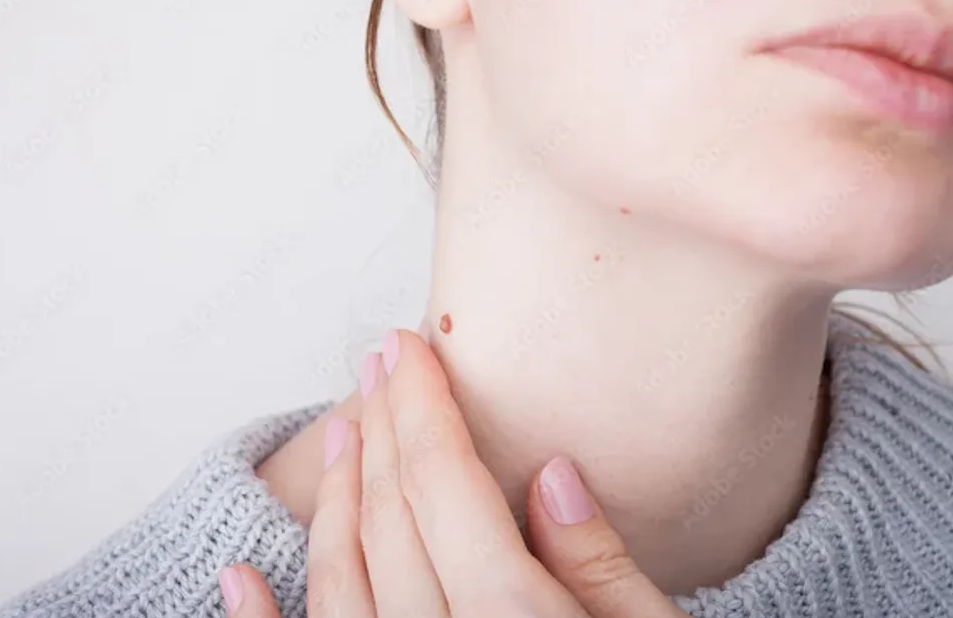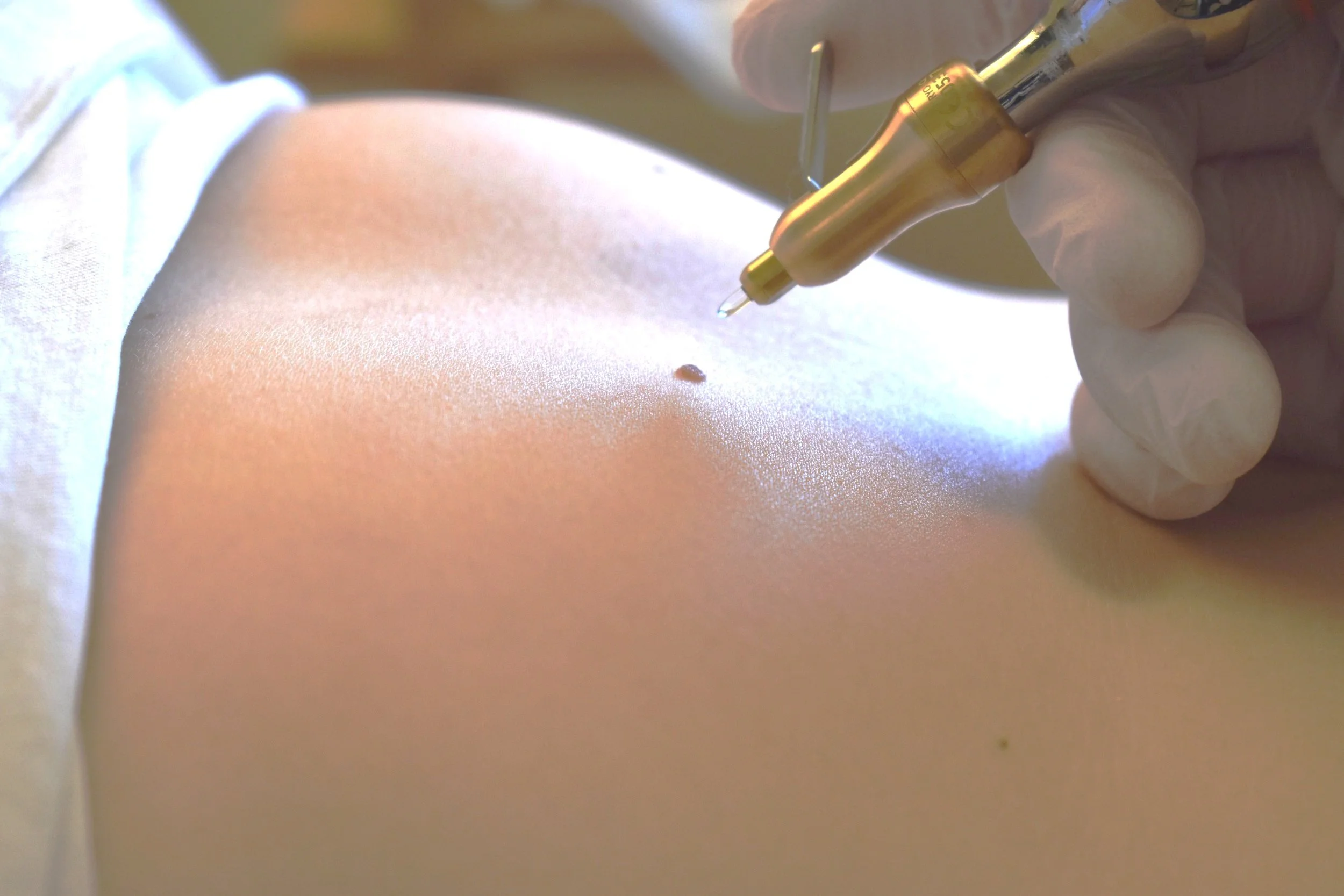
Skin tags are common, benign growths that often appear in areas where skin rubs against skin or clothing. Many individuals seek removal for aesthetic reasons or to alleviate the discomfort caused by these tags catching on jewelry or fabric. Understanding the recovery journey is essential for anyone considering Skin Tag Removal in Abu Dhabi, as being well-prepared helps ensure a smooth and effective healing experience.
- Skin tags are harmless, small, soft skin growths.
- The primary motivation for removal is often cosmetic or personal comfort.
- Knowing the recovery timeline helps manage expectations after the procedure.
The General Healing Timeline
Following the removal of a skin tag, the skin enters a natural regenerative process. Most individuals find that the treated area heals within 10 to 14 days, though individual timelines can vary based on the specific removal method and the size of the growth. In the first 24 to 48 hours, it is common to notice mild redness, slight swelling, or the formation of a small scab at the site. These are standard, expected signs that the body has begun its repair work.
- Most procedures result in a full recovery within two weeks.
- The initial 48 hours often involve minor redness or localized tenderness.
- A scab typically forms within a day or two and acts as a natural protective covering.
How the Healing Process Progresses
The healing process is generally straightforward and predictable. After the initial formation of a scab, the body works to mend the underlying tissue. Over the following week, the scab will naturally dry and detach on its own. It is vital to allow this process to occur without interference, as picking at the scab can disrupt healing and potentially lead to complications. Once the scab falls off, the skin underneath may appear slightly pink or sensitive, which is a normal part of the skin’s transition back to its natural texture and color.
- The scab acts as a biological bandage during the first week.
- Picking or scratching the healing site should be avoided entirely to support optimal recovery.
- The appearance of pink, new skin is a sign of healthy regeneration.
Factors Influencing Recovery Duration
While the standard recovery window is clearly defined, certain factors can influence how quickly an individual heals. The size of the skin tag is perhaps the most significant variable; smaller tags typically heal faster than larger ones due to the smaller surface area involved. Additionally, the location of the tag plays a role. Areas that experience frequent friction—such as the neck, underarms, or inner thighs—might require extra care to prevent irritation during the healing phase. Furthermore, an individual’s general health and lifestyle habits can impact how efficiently the skin repairs itself.
- Larger skin tags may require a slightly longer timeframe for complete healing compared to smaller ones.
- High-friction zones (like skin folds) need more attention to stay dry and undisturbed.
- Overall health and skin type influence the body’s natural regenerative speed.
Essential Aftercare Practices
Maintaining proper hygiene is the cornerstone of a smooth recovery. Keeping the treated area clean and dry is fundamental. Gentle cleansing with mild soap and water is generally recommended, provided the area is patted dry afterward rather than rubbed. Avoiding excessive moisture is also helpful in ensuring the site stays protected. If a protective ointment has been suggested, applying it as directed can help keep the area hydrated and support the skin’s barrier. Furthermore, shielding the area from direct sun exposure once the scab has fallen off can help the new skin blend in more effectively with the surrounding tissue.
- Daily gentle cleansing prevents debris accumulation.
- Avoiding tight clothing reduces friction and pressure on the healing site.
- Sun protection is important once the area has begun to heal to prevent pigment changes.
Returning to Daily Activities
One of the significant benefits of modern skin tag removal techniques is that they typically allow for a quick return to normal daily routines. Most individuals can resume work, light movement, and their regular hygiene practices almost immediately. However, it is advisable to avoid strenuous physical activities or heavy exercise for the first day or two following the procedure to minimize the risk of friction or irritation at the treatment site. By listening to your body and providing the area with the gentle care it needs, you can ensure the process remains comfortable and efficient.
- Most patients resume daily routines immediately after the procedure.
- Limiting intense physical activity for 48 hours helps prevent site irritation.
- Comfort is usually maintained with very minimal downtime required.
Frequently Asked Questions
What should I do if the treated area feels sensitive?
It is completely normal for the treated area to feel sensitive, slightly tender, or red for a few days. Keeping the area clean and protecting it from friction (by avoiding tight jewelry or clothing) is usually sufficient to manage this temporary discomfort.
How do I know if the healing is proceeding normally?
Normal healing involves the formation of a small scab that eventually falls off, followed by the appearance of healthy, pinkish skin. If you notice persistent, increasing redness, significant swelling, or any unusual discharge, it is best to consult with a professional.
Can I apply makeup or other products to the area?
It is best to keep the area free of irritants, including lotions, fragrances, or makeup, until the skin has completely closed and the scab has fallen off. Once the skin is fully healed, standard skincare routines can usually be resumed.
Does the weather affect my recovery?
In warmer or more humid climates, keeping the treated area dry is especially important. Increased sweat or humidity can potentially irritate the healing site, so ensuring the area is gently cleaned and kept dry is a key component of effective aftercare.