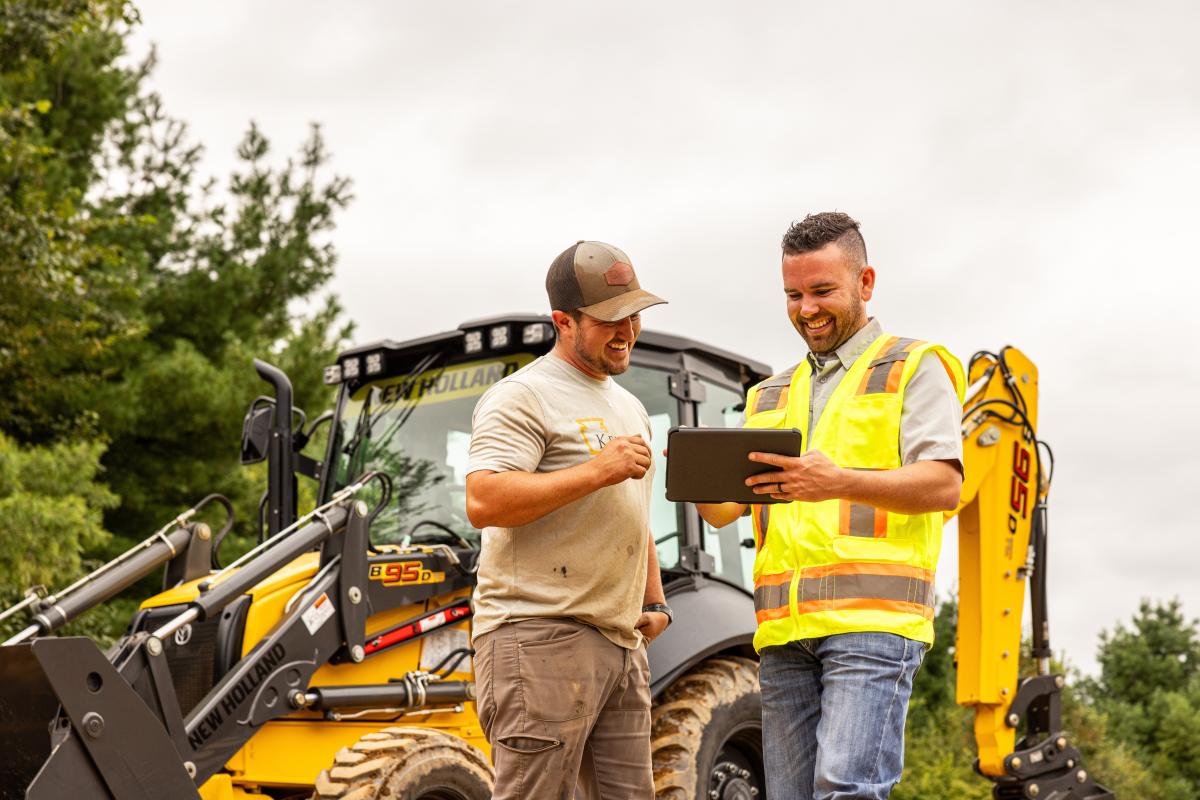
Construction companies rely heavily on vehicles, heavy machinery, and equipment to complete projects on time and within budget. From excavators and bulldozers to trucks and loaders, every machine plays a critical role in daily operations. However, managing and maintaining this fleet manually can be complex, time-consuming, and costly.
This is where construction fleet maintenance software comes in. It is a digital solution designed to help construction businesses track, manage, and optimize the maintenance of their vehicles and equipment. In this article, we will explore what this software is, how it works, its key features, and why it is essential for modern construction companies.
What Is Construction Fleet Maintenance Software?
Construction fleet maintenance software is a digital platform that helps construction companies manage the maintenance, repair, and performance of their fleet of vehicles and heavy equipment.
Instead of using spreadsheets, paper logs, or manual tracking, companies can use this software to automate maintenance schedules, monitor equipment conditions, and reduce unexpected breakdowns.
It is designed specifically for industries like:
- Construction companies
- Road building contractors
- Mining operations
- Infrastructure development firms
The main goal is simple: keep equipment running efficiently while reducing downtime and repair costs.
How Construction Fleet Maintenance Software Works
The software works by collecting, organizing, and analyzing data related to each piece of equipment in a fleet.
Here’s a simple breakdown of how it functions:
1. Equipment Registration
Each machine or vehicle is added to the system with details like:
- Model and serial number
- Purchase date
- Usage hours
- Maintenance history
2. Maintenance Scheduling
The system automatically creates maintenance schedules based on:
- Time intervals (weekly, monthly)
- Usage hours
- Manufacturer recommendations
3. Real-Time Monitoring
Many advanced systems connect with GPS or IoT sensors to monitor:
- Engine performance
- Fuel usage
- Location tracking
- Equipment health
4. Alerts and Notifications
When maintenance is due or a problem is detected, the system sends alerts to managers and technicians.
5. Repair and Service Tracking
All repairs and service history are recorded for future reference, helping companies track long-term performance.
Key Features of Construction Fleet Maintenance Software
A good fleet maintenance system includes several important features:
1. Preventive Maintenance Scheduling
This feature ensures machines are serviced before breakdowns occur, reducing unexpected failures.
2. Work Order Management
Managers can create, assign, and track maintenance tasks easily within the system.
3. Equipment Tracking
It provides full visibility into each machine’s condition, usage, and location.
4. Inventory Management
Tracks spare parts and ensures availability when repairs are needed.
5. Reporting and Analytics
Generates reports on:
- Maintenance costs
- Equipment performance
- Downtime analysis
6. Mobile Access
Technicians can update records and receive tasks directly from mobile devices on-site.
7. Integration Capabilities
Can integrate with GPS tracking systems, accounting tools, and ERP systems.
Why Construction Fleet Maintenance Software Matters
Construction projects are highly dependent on machinery. Even a single equipment failure can delay an entire project. This is why maintenance management is so important.
1. Reduces Equipment Downtime
Unexpected breakdowns can stop work completely. With preventive maintenance scheduling, issues are identified early, reducing downtime significantly.
2. Extends Equipment Lifespan
Regular maintenance ensures that machines operate efficiently for a longer time, protecting your investment.
3. Lowers Repair Costs
Fixing major breakdowns is expensive. Preventive maintenance helps avoid costly repairs by addressing small issues early.
4. Improves Safety on Job Sites
Well-maintained equipment reduces the risk of accidents and ensures a safer working environment for employees.
5. Increases Productivity
When equipment is always ready to use, projects move faster and more efficiently.
6. Better Resource Management
Companies can track fuel usage, maintenance costs, and machine performance, helping them make smarter decisions.
Challenges Without Fleet Maintenance Software
Managing construction equipment without software can lead to several problems:
- Missed maintenance schedules
- Unexpected machine breakdowns
- High repair costs
- Poor equipment tracking
- Lack of maintenance history
- Inefficient manual record-keeping
These issues can seriously affect project timelines and profitability.
Who Should Use This Software?
Construction fleet maintenance software is ideal for:
- Construction contractors
- Equipment rental companies
- Infrastructure developers
- Mining companies
- Government construction departments
Any business that relies on heavy machinery can benefit from it.
Future of Construction Fleet Maintenance Software
The future of fleet maintenance is becoming more advanced with technology like:
Artificial Intelligence (AI)
AI predicts equipment failures before they happen using historical data.
Internet of Things (IoT)
Sensors collect real-time data from machines to monitor performance continuously.
Cloud-Based Systems
Allows companies to access fleet data from anywhere at any time.
Automation
Automated scheduling and reporting reduce manual work and improve efficiency.
Conclusion
Construction fleet maintenance software is no longer just an optional tool—it is a necessity for modern construction companies. It helps businesses reduce downtime, cut costs, improve safety, and maximize productivity.
By replacing manual processes with automated systems, construction companies can ensure their fleet operates at peak performance, ultimately leading to more successful projects and higher profits.
If your business depends on heavy machinery, investing in fleet maintenance software is one of the smartest decisions you can make.