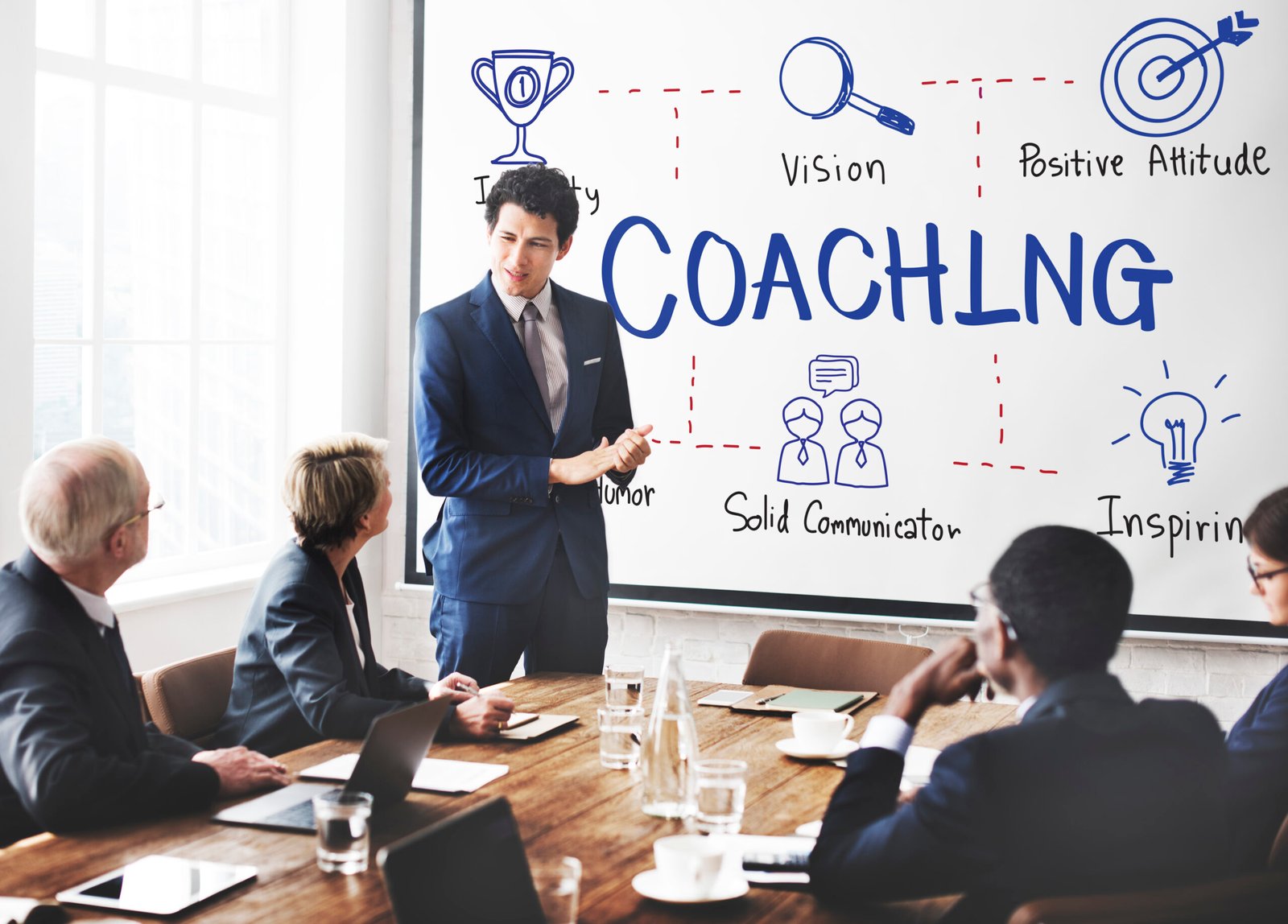
A coaching camp isn’t a one-day seminar or a retreat with icebreakers. It’s a structured, process-focused programme giving professionals dedicated time with an external coach to work through real challenges, then apply what they learn back on the job. DeANTS runs these across the UAE, KSA, and the Maldives for teams from fresh graduates to senior executives.
Most one-off workshops deliver a burst of energy and fade within a few weeks, because a single session rarely gives anyone enough time to actually change a habit. A coaching camp works differently. Instead of a facilitator talking at a room for a few hours, it’s built around reflection, honest conversation, and a client-centered process that follows the same group of people over a defined stretch of time rather than a single afternoon.
That distinction matters more in hospitality and fast-moving corporate teams than almost anywhere else. A front office manager juggling guest escalations, a housekeeping supervisor managing a rotating multinational team, or a first-time manager who’s never had to give difficult feedback all need something closer to ongoing support than a slide deck. A coaching camp gives them the space, and the external perspective, to work through that in practice.
What Happens Inside a Coaching Camp
DeANTS structures its coaching camps around a process-focused, client-centered approach: participants get dedicated time to reflect on what’s actually getting in their way, talk it through with a trusted outside expert, and bounce ideas off peers facing similar situations. The point isn’t to hand someone a framework and move on. It’s to help them translate insight into something they actually do differently the next day.
The format flexes by audience. A fresh graduate entering a hospitality role needs something different from a general manager three years into the job, so DeANTS builds each camp around the specific competencies that group needs next, rather than running the same generic agenda for every level. Some are built for a single department; the Food & Beverage Coaching Camp and Housekeeping Coaching Camp, for instance, focus on the operational and service pressures specific to those roles, including scenarios like building a guest-facing persona in a multilingual, Arabic-influenced hospitality market.
Who a Coaching Camp Is Built For
Coaching camps aren’t reserved for the executive floor. DeANTS runs them for fresh graduates stepping into their first hospitality or corporate role, line colleagues who deal directly with guests or customers, emerging leaders taking on their first direct reports, middle managers balancing operational pressure with people management, and senior executives navigating bigger strategic calls.
Talk to DeANTS about which camp format fits your team, whether that’s a department-specific format for housekeeping or F&B staff, or a broader leadership camp for managers moving into their first people-facing role.
Why UAE Employers Are Investing in Leadership Coaching Camps
Coaching has moved well past being a perk reserved for underperforming managers. Research from the International Coaching Federation and PwC’s Global Coaching Client Study puts typical returns at somewhere between five and seven times the initial investment, with the large majority of organisations that track this reporting they recouped what they spent. For a hospitality business, that return usually shows up as fewer guest complaints escalating past a supervisor, lower turnover in roles that are expensive to rehire and re-onboard, and managers who catch small problems before they become the kind that show up in a review score.
None of this depends on the format itself producing a miracle. It depends on giving people enough structured, repeated time with the right person to actually change how they handle the situations they face every week, which is exactly what a single seminar or a one-off session was never designed to do.
Frequently Asked Questions
Q: How long does a typical coaching camp run? A: It depends on the format and audience. Department-specific camps, like the Food & Beverage or Housekeeping Coaching Camps, are often built as a focused single-day format, while broader leadership or executive camps typically run across several sessions spread over weeks or months.
Q: Is a coaching camp the same as executive coaching? A: They overlap but aren’t identical. Executive coaching usually refers to one-on-one work with senior leaders. A coaching camp can include that, but is often built for a wider group, including fresh graduates, line colleagues, and middle managers, not just the executive team.
Q: Can a coaching camp be run for a specific department, like housekeeping or F&B? A: Yes. DeANTS runs department-specific coaching camps built around the operational realities of that role, rather than a generic leadership agenda applied across the board.
Q: Do coaching camps work for fresh graduates, or only experienced staff? A: They work for both, but the content differs. A camp for fresh graduates typically focuses on foundational workplace and service skills, while a camp for experienced managers focuses on decision-making, feedback, and leading a team under pressure.
The Bottom Line
A coaching camp works because it treats behaviour change as something that takes structured, repeated time rather than a single session. For hospitality and corporate teams across the UAE, KSA, and the Maldives dealing with real day-to-day pressure, that difference is usually what separates a workshop people forget by Friday from a programme that actually changes how a team operates. If you’re weighing whether a coaching camp fits your team, reach out to DeANTS to talk through the right format.