
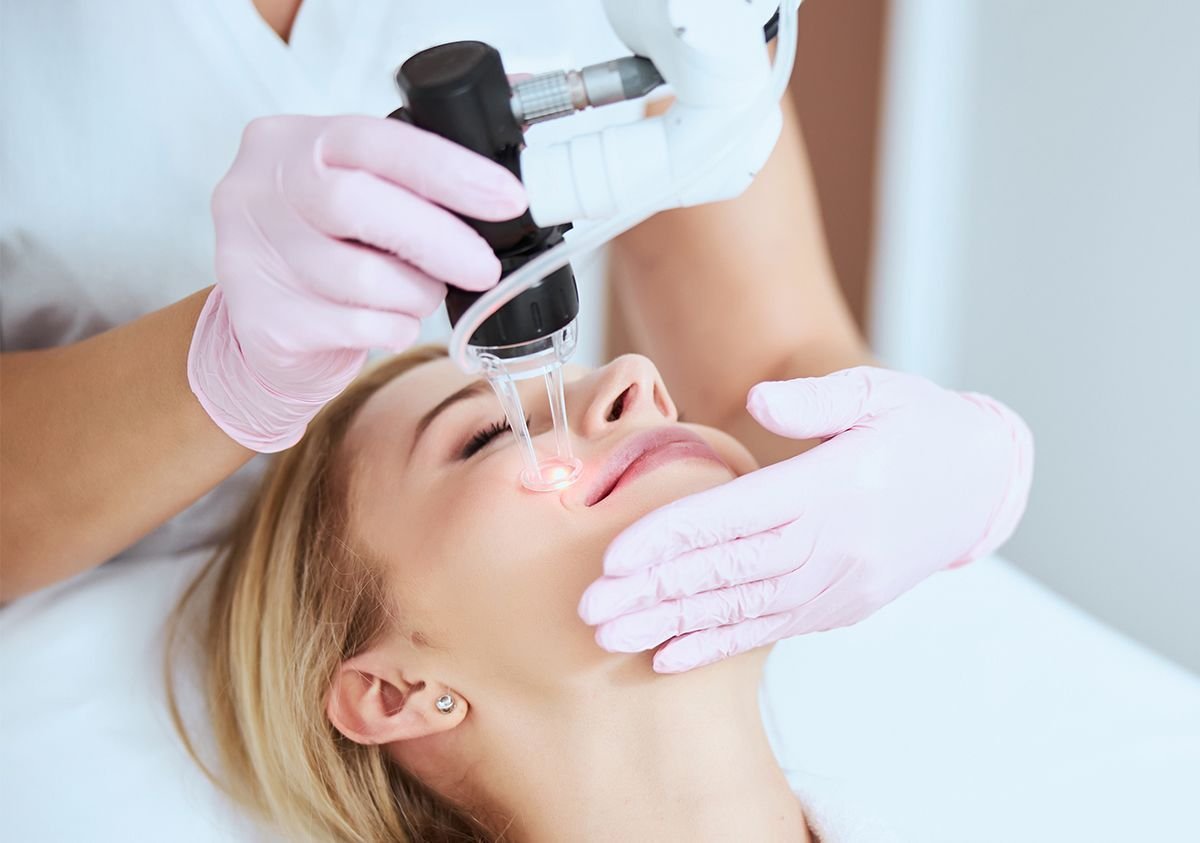
Healthy-looking skin is often associated with a smooth texture, even tone, improved firmness, and a naturally refreshed appearance. However, concerns such as acne scars, enlarged pores, fine lines, uneven skin texture, and wrinkles can gradually affect the way the skin looks. Fractional RF Microneedling in Dubai is a skin rejuvenation treatment designed to address several of these concerns by combining microneedling with radiofrequency energy. It works beneath the skin’s surface to encourage collagen production and support natural tissue renewal. Understanding what this treatment addresses helps individuals determine whether it matches their skin concerns and aesthetic goals. Both fractional radiofrequency microneedling and traditional microneedling can be considered for improving skin quality, depending on the condition being addressed and the desired outcome.
What Skin Concerns Does Fractional RF Microneedling Treat?
Fractional RF microneedling is designed to improve different skin concerns associated with ageing, collagen loss, scarring, and uneven texture. It creates controlled microchannels while delivering radiofrequency energy into targeted skin layers. This process encourages the skin’s natural repair response and supports collagen and elastin production.
The treatment may address:
- Acne scars and uneven skin texture.
- Enlarged and visible pores.
- Fine lines and wrinkles.
- Mild skin laxity and reduced firmness.
- Rough or irregular skin surfaces.
- Certain types of stretch marks.
- Uneven skin texture associated with ageing.
- The appearance of selected surgical or injury-related scars.
Its suitability depends on the individual’s skin condition, scar characteristics, and treatment goals.
Can Fractional RF Microneedling Treat Acne Scars?
Acne scars are among the common concerns addressed through fractional radiofrequency microneedling. They can develop when inflammation from acne affects the deeper layers of the skin, resulting in uneven areas, depressions, or changes in surface texture.
The treatment creates controlled micro-injuries that stimulate the skin’s natural healing response. Radiofrequency energy also delivers controlled heat into targeted layers, encouraging collagen remodelling.
It may help improve:
- Atrophic acne scars that create shallow depressions.
- Rolling scars that produce uneven skin contours.
- Certain boxcar scars with defined edges.
- Rough texture left behind by previous acne breakouts.
As collagen gradually develops, the appearance of selected scars may become softer and the skin surface may look more even. Deeper or more established scars may require an individually planned approach.
Does Fractional RF Microneedling Reduce Enlarged Pores?
Enlarged pores can make the skin appear uneven, particularly around the nose, cheeks, and forehead. Excess oil production, reduced skin elasticity, ageing, and previous acne can contribute to their appearance.
Fractional radiofrequency microneedling supports collagen production around the pore structures. Improved skin firmness and texture may make enlarged pores appear less noticeable.
The treatment can help with:
- Improving the appearance of visible pores.
- Supporting smoother skin texture.
- Enhancing the appearance of uneven cheek areas.
- Improving skin firmness around enlarged pores.
Although pores cannot be permanently eliminated, improving the surrounding skin structure may create a smoother overall appearance.
Can It Improve Fine Lines and Wrinkles?
Fine lines and wrinkles commonly develop as collagen and elastin levels decrease with age. Repeated facial movements, environmental exposure, and natural changes in skin structure can also contribute to their appearance.
Fractional RF microneedling encourages collagen remodelling by delivering radiofrequency energy through fine needles. This process supports gradual improvements in skin texture and firmness.
It may help address:
- Fine lines around the eyes.
- Mild forehead lines.
- Lines around the mouth.
- Early wrinkles on the cheeks.
- Crepey skin texture.
The treatment is generally intended to improve mild to moderate visible ageing concerns rather than completely remove deep wrinkles. Results develop gradually as the skin produces and reorganises collagen.
Does Fractional RF Microneedling Treat Loose or Sagging Skin?
Skin laxity occurs when the skin gradually loses some of its natural structural support. This change may become noticeable around the cheeks, jawline, lower face, and neck.
Radiofrequency energy produces controlled heat within targeted skin layers, supporting collagen contraction and longer-term collagen remodelling. Combined with microneedling, this can help improve the appearance of mild skin laxity.
Potential treatment areas include:
- Lower cheeks with reduced firmness.
- Mildly loose skin around the jawline.
- Fine creases on the neck.
- Areas with reduced skin elasticity.
The treatment may provide a firmer-looking appearance, although it is not designed to replace surgical procedures for significant skin sagging.
Can It Improve Stretch Marks and Uneven Skin Texture?
Stretch marks develop when the skin stretches and its underlying structural fibres change. They may appear during periods of rapid growth, pregnancy, or significant changes in body size.
Fractional RF microneedling may help improve the appearance of selected stretch marks by encouraging collagen remodelling within the affected areas.
It can also target uneven skin texture caused by previous inflammation, acne scarring, and age-related changes.
Improvements may include:
- Smoother-looking skin surfaces.
- Improved texture in selected areas.
- Reduced visibility of certain stretch marks.
- Better-looking skin consistency.
The response depends on the age, depth, location, and characteristics of the affected skin.
What Areas Can Fractional RF Microneedling Treat?
The treatment can be performed on different body areas depending on the individual’s concerns and clinical suitability.
Common facial areas include:
- Forehead.
- Cheeks.
- Chin.
- Jawline.
- Areas around the mouth.
- Selected areas around the eyes.
Common body areas include: - Neck.
- Décolletage.
- Abdomen.
- Upper arms.
- Thighs.
- Selected areas affected by stretch marks or scars.
Treatment depth and energy settings are adjusted according to the thickness and condition of the targeted skin.
How Does Fractional RF Microneedling Work?
Fractional RF microneedling combines two techniques to support skin renewal. Understanding both components helps explain why the treatment can address several different concerns.
Microneedling component
Fine needles create controlled microchannels in the skin. These small channels activate the body’s natural repair process and encourage collagen and elastin production.
Radiofrequency component
Radiofrequency energy travels through the needles into targeted skin layers. The resulting controlled heat supports collagen remodelling and may improve skin firmness.
Combined treatment approach
The combination addresses skin texture and deeper structural concerns. While microneedling stimulates the repair response, radiofrequency energy provides additional thermal stimulation within the targeted tissue.
What Is the Difference Between Fractional RF Microneedling and Traditional Microneedling?
Both treatments use fine needles to create controlled microchannels and stimulate the skin’s natural healing response. However, their energy delivery methods are different.
Traditional microneedling relies primarily on mechanical stimulation. It encourages collagen production through controlled micro-injuries in the skin.
Fractional RF microneedling combines mechanical stimulation with radiofrequency energy. This additional energy targets deeper tissue structures and supports collagen remodelling.
The choice between these approaches depends on whether the main concern involves surface texture, acne scarring, skin firmness, or a combination of issues.
What Results Can Individuals Expect From Fractional RF Microneedling?
Results develop gradually because collagen production and tissue remodelling take time. Some individuals may notice improvements in skin texture as the healing process progresses, while changes in firmness and scarring may require multiple sessions.
Potential improvements include:
- More refined-looking skin texture.
- Softer appearance of selected acne scars.
- Less noticeable enlarged pores.
- Improved skin firmness.
- Reduced appearance of fine lines.
- More even-looking skin surfaces.
The number of sessions and the extent of improvement depend on the individual’s skin condition, treatment settings, and natural healing response.
Frequently Asked Questions
Is Fractional RF Microneedling Suitable for Acne-Prone Skin?
It may be suitable for certain individuals with acne-related scarring and uneven texture. However, active acne and skin inflammation should be assessed before treatment to determine an appropriate approach.
Can It Treat Deep Acne Scars?
The treatment may improve selected depressed acne scars by stimulating collagen remodelling. However, very deep or tethered scars may need additional treatment approaches.
Does Fractional RF Microneedling Improve Skin Firmness?
Yes, it can support collagen production and improve the appearance of mild skin laxity. The extent of improvement depends on the skin’s existing condition.
Can It Be Used on the Neck?
Yes, the neck may be treated when appropriate. Treatment settings are adjusted according to the area’s skin thickness and individual requirements.
How Many Sessions Are Usually Needed?
The number of sessions varies according to the severity of acne scars, wrinkles, enlarged pores, and other concerns. An individual assessment helps determine a suitable treatment plan.
Does It Treat Pigmentation?
It may improve certain textural irregularities associated with skin damage, but it is not primarily designed to treat every type of pigmentation. The cause of discolouration should be assessed before choosing a treatment.
Conclusion
Fractional radiofrequency microneedling is a versatile skin rejuvenation approach that addresses several concerns related to collagen loss, uneven texture, acne scarring, enlarged pores, fine lines, and mild skin laxity. By combining controlled microneedling with radiofrequency energy, it encourages natural collagen production and supports gradual skin remodelling. Both fractional RF microneedling and traditional microneedling can contribute to improved skin quality, but their techniques and treatment capabilities differ. Understanding the specific skin concern, treatment mechanism, and expected improvements allows individuals to make informed decisions about their rejuvenation goals.