Trying an IV drip for the first time can feel like a completely new experience. For some people, it may be part of a wellness routine, while others may consider IV therapy when they feel dehydrated, fatigued, or in need of specific nutritional support. Whatever the reason, the first session can teach a person quite a bit about how their body responds to treatment, what to expect during an infusion, and how important professional guidance can be.
People researching the Best IV Drips in Muscat often have questions before making their first appointment. They may wonder how the treatment feels, how long a session takes, what ingredients are included, and whether they should expect immediate changes. Understanding the first experience can help set realistic expectations and encourage safer, more informed decisions.
Understanding What Happens During a First IV Drip
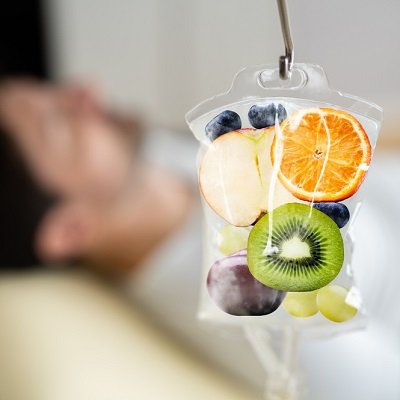
An IV drip delivers fluids and, depending on the prescribed formulation, certain vitamins, minerals, electrolytes, or other nutrients directly into a vein. Unlike oral supplements, which pass through the digestive system, IV therapy introduces the selected solution directly into the bloodstream.
During a first session, a qualified healthcare professional typically begins by discussing the person’s health history, current concerns, medications, allergies, and treatment goals. This assessment is important because IV therapy is not necessarily appropriate for everyone.
Once the appropriate formulation has been determined, the healthcare professional usually prepares the IV line and inserts a small catheter into a vein, often in the arm or hand. The infusion then runs gradually while the person remains seated or comfortably positioned.
The experience is generally straightforward, but the sensations can vary. Some people notice only the initial needle prick, while others may feel mild pressure or coolness around the IV site. Remaining relaxed and communicating with the healthcare professional can make the experience more comfortable.
One of the biggest lessons from a first session is that IV therapy should not be viewed as a one-size-fits-all treatment. The appropriate formulation, volume, and infusion rate should depend on individual circumstances rather than trends or generalized wellness claims.
The First Session Can Reveal How the Body Responds
One of the most useful things a person can learn from a first IV drip is how their body responds to the particular treatment. Responses can vary considerably from one individual to another.
Some people may feel comfortable and relaxed throughout the session. Others may notice temporary sensations such as warmth, a cool feeling along the vein, or a slight change in how they feel during the infusion. These sensations are not necessarily signs of a problem, but they should always be reported to the healthcare professional if they are uncomfortable or unusual.
After the treatment, some individuals report feeling more refreshed, particularly if the treatment was intended to address fluid loss or dehydration. However, expectations should remain realistic. IV therapy is not guaranteed to produce an immediate energy boost or dramatic change in how someone feels.
The first experience can therefore serve as useful feedback. It may help the person and healthcare professional determine whether the treatment was well tolerated and whether any adjustments are appropriate for future sessions.
Hydration and Lifestyle Still Matter After IV Therapy
Another important lesson from a first IV drip is that the treatment does not replace healthy daily habits.
An IV infusion may provide fluids and selected nutrients, but maintaining adequate hydration through regular fluid intake remains important. A balanced diet, sufficient sleep, physical activity, and appropriate medical care continue to play major roles in overall wellness.
Someone who receives an IV drip after exercise, travel, heat exposure, or fluid loss should still pay attention to their body’s normal hydration needs afterward. Similarly, a person experiencing persistent fatigue should not rely exclusively on IV therapy without considering possible underlying causes.
Fatigue, weakness, headaches, dizziness, or other symptoms can sometimes be related to medical conditions, nutritional deficiencies, medication effects, sleep problems, or other factors. If symptoms continue, professional medical evaluation may be more appropriate than repeatedly seeking wellness treatments.
This is one reason responsible IV therapy focuses on the individual rather than simply recommending the same infusion to everyone.
What to Observe During and After the Treatment
A first IV drip can also teach a person what to monitor before, during, and after treatment.
During the infusion, the IV site should be observed for unusual pain, swelling, redness, or significant discomfort. Any concerning sensation should be communicated promptly to the healthcare professional rather than ignored.
After the session, the person can pay attention to how they feel over the following hours. It can be useful to note whether they feel comfortable, whether they experience any unusual symptoms, and how long any perceived benefits seem to last.
Keeping track of these observations can make future conversations with healthcare professionals more productive. It may also prevent someone from assuming that a particular formulation is beneficial simply because of marketing claims or anecdotal experiences from other people.
A first experience should be treated as an opportunity to understand the body’s response, not as proof that a specific IV treatment is universally effective.
Choosing the Best IV Drips in Muscat Requires More Than Popularity
When searching for the Best IV Drips in Muscat, consumers may encounter many different formulations and wellness claims. Some may be marketed for hydration, energy, recovery, immune support, beauty, or general wellness.
However, the most suitable option should be based on individual needs and professional assessment rather than popularity alone.
A responsible approach involves asking several questions before treatment. The person should understand what the infusion contains, why each component is included, whether the formulation is appropriate for their health circumstances, and what possible side effects or risks may exist.
The quality and safety of the setting also matter. IV therapy involves accessing the bloodstream, so appropriate hygiene, sterile equipment, trained healthcare professionals, proper storage of products, and careful monitoring are essential.
People should also be cautious about exaggerated promises. No IV drip should be presented as a guaranteed solution for a wide range of unrelated health concerns. A trustworthy service should explain both potential benefits and limitations.
For someone considering IV therapy in Muscat, the first appointment can therefore be an educational experience. It can help establish realistic expectations and encourage better communication with healthcare professionals.
How to Prepare for a First IV Drip
Good preparation can make a first session more comfortable. Before an appointment, a person should be prepared to provide accurate information about existing medical conditions, allergies, medications, supplements, and previous reactions to treatments.
It is also helpful to discuss the reason for seeking IV therapy. Someone interested in hydration after physical activity may have different needs from someone seeking nutritional support because of a documented deficiency.
Comfortable clothing can make it easier for the healthcare professional to access the chosen IV site. Having a light meal beforehand may also be appropriate for some people, although individual instructions should always take priority.
People should avoid assuming that more ingredients or higher concentrations are automatically better. The formulation should be selected according to the person’s circumstances and professional advice.
Preparation should also include realistic expectations. The first IV drip is not necessarily a dramatic experience. For many people, it may simply involve sitting comfortably while the infusion is administered over a period of time.
The Biggest Lessons From a First IV Drip Experience
The first experience can provide several practical lessons.
First, individual responses matter. What works well for one person may not produce the same experience for another.
Second, professional assessment is important. IV therapy involves more than choosing a colorful menu of vitamins. The contents and administration should be appropriate for the individual’s health needs.
Third, hydration and wellness are ongoing processes. An IV drip should not be considered a substitute for healthy lifestyle habits or appropriate medical treatment.
Fourth, communication is essential. A person should feel comfortable asking questions and reporting any discomfort during treatment.
Finally, expectations should remain realistic. Some people may notice a subjective improvement after an infusion, while others may notice little immediate difference. The experience itself does not establish that IV therapy is medically necessary or that repeated treatments will provide additional benefits.
For people exploring the Best IV Drips in Muscat, these lessons can help make the decision more informed. Instead of focusing solely on convenience, trends, or promotional claims, individuals can consider safety, suitability, professional guidance, and their own health goals.
Frequently Asked Questions
1. What does a first IV drip feel like?
A first IV drip usually begins with a brief needle prick when the IV catheter is inserted. During the infusion, some people may notice coolness, mild pressure, or a sensation around the IV site. The experience varies from person to person. Any significant pain, swelling, dizziness, or unusual reaction should be reported immediately to the healthcare professional.
2. How long does an IV drip session usually take?
The duration can vary depending on the formulation, amount of fluid, infusion rate, and individual circumstances. Some sessions may be relatively short, while others take longer. A healthcare professional can provide a more accurate estimate before treatment begins.
3. Can everyone receive IV therapy?
No. IV therapy may not be suitable for everyone. Certain medical conditions, medications, allergies, kidney or heart problems, pregnancy, or other individual factors may affect whether a particular infusion is appropriate. A proper health assessment should take place before treatment.
4. Will a person immediately feel more energetic after an IV drip?
Not necessarily. Some people may report feeling refreshed after treatment, particularly when dehydration has contributed to how they feel. However, an immediate energy boost is not guaranteed. Persistent tiredness should be evaluated for possible underlying causes rather than automatically treated with IV therapy.
5. How should someone prepare for their first IV drip?
A person should provide accurate information about medical conditions, allergies, medications, supplements, and previous treatment reactions. Following the healthcare professional’s instructions regarding food, fluids, and medications can also help. Comfortable clothing may make the session easier.
6. What should someone look for when considering IV drips in Muscat?
Safety and professional care should be priorities. A person should look for qualified healthcare professionals, appropriate hygiene and sterile procedures, clear information about the infusion ingredients, individualized assessment, and realistic explanations of potential benefits and risks. Choosing an IV drip solely because it is popular or heavily advertised may not be the best approach.
Read More About IV Drips: https://autopedia.co.uk/events/oman/muscat/muscat-1/how-first-time-customers-evaluate-iv-drips-services/