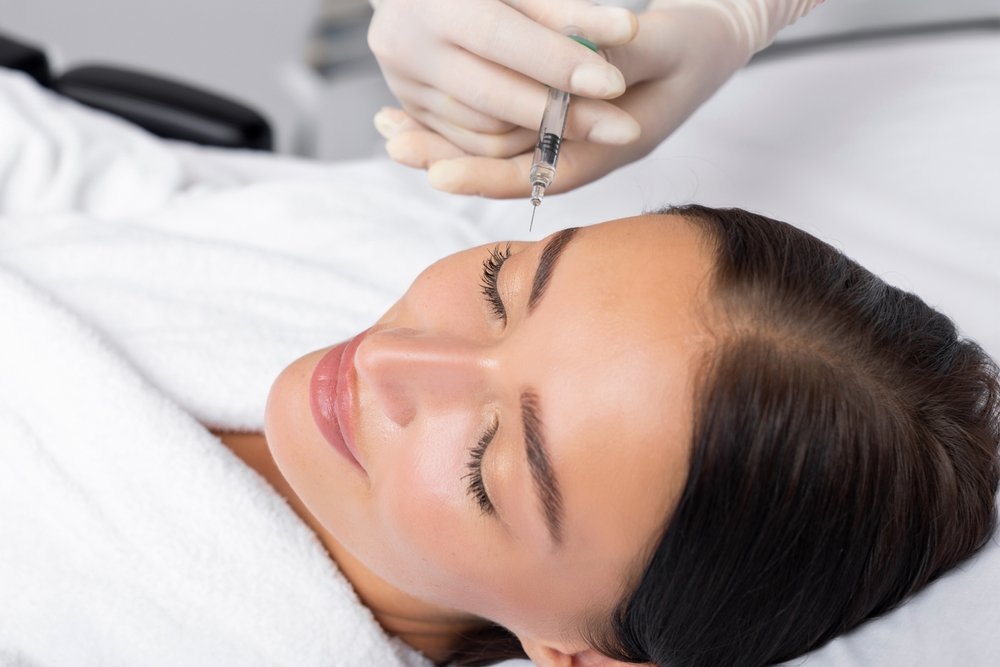
Fine lines and repetitive muscle movement gradually shape how the face looks at rest and in motion. Many people looking into subtle aesthetic refinement explore micro-dosed neuromodulator sessions because they soften creases while preserving natural facial expression.
Understanding how targeted placements work helps clarify what this approach does and does not address. People researching Baby Botox in Abu Dhabi often want a clear map of the face so they can distinguish dynamic expression lines from deeper structural changes.
- Core takeaway: Micro-dosed neuromodulator injections target small, specific facial muscles with lighter doses than traditional protocols.
- Primary purpose: Softening early or mild movement lines while keeping eyebrows, smiles, and expressions mobile.
- Key distinction: Muscle-driven lines respond well to neuromodulators, whereas volume loss or sagging skin involves different anatomy.
How Baby Botox Differs From Standard Neuromodulator Approaches
Conventional neuromodulator sessions typically deliver higher unit totals into targeted muscles to produce stronger or longer-lasting muscle relaxation. Lighter micro-dosing distributes smaller amounts across precise points so the muscle relaxes gently rather than going quiet.
This nuance matters across the face because muscle thickness and pull vary widely from one zone to another. The frontalis muscle across the forehead, for example, lifts the brows, so over-relaxing it can lower brow position, whereas light dosing can smooth horizontal lines while keeping brow lift intact.
- Dosing philosophy: Smaller, more measured micro-doses aim for gentle softening rather than heavy immobilization.
- Movement retention: Subtle muscle contraction remains possible, supporting expressive speech, laughter, and concentration.
- Anatomical balance: Neighboring muscles pull against one another, so treating one zone affects nearby expressions.
Upper Face Treatment Areas
The upper third of the face carries some of the earliest and most noticeable dynamic lines because people raise their brows, squint in bright light, and knit their brows throughout the day. Bright desert sunlight and outdoor glare can encourage frequent squinting, making upper-face movement patterns a common focus for people reading about facial aesthetics.
Forehead Lines (Frontalis Muscle)
Horizontal lines across the forehead form when the frontalis muscle contracts to lift the brows or widen the eyes. Over time, repeated folding can turn temporary movement creases into faint lines visible even when the face is relaxed.
Lightly dosing the frontalis softens horizontal creasing across the brow while leaving enough tone to lift the eyebrows naturally. Careful placement matters because the frontalis is the primary elevator of the brow, and balancing it with brow depressors keeps the eyes looking open and rested.
- Target muscle: The broad frontalis sheet spanning the forehead.
- Goal: Smooth horizontal creases while maintaining natural eyebrow elevation.
- Functional role: Preserves expressive brow movement without a heavy, frozen appearance.
Frown Lines Between the Brows (Glabellar Complex)
Vertical or angled creases between the eyebrows—often called “11” lines—develop from repeated contraction of the corrugator supercilii and procerus muscles. These muscles pull the inner brows downward and inward during concentration, frowning, or squinting.
Micro-dosed placement in the glabellar complex eases that inward pull so the area between the brows looks calmer and less furrowed. Softening this zone frequently improves overall facial balance because tension between the brows can project fatigue or sternness even when a person feels relaxed.
- Target muscles: Corrugator supercilii and procerus muscles between the brows.
- Goal: Reduce vertical creasing and soften an overly stern or tense resting look.
- Functional role: Relieves habitual brow-knitting while keeping natural facial warmth.
Crow’s Feet Around the Outer Eyes (Orbicularis Oculi)
Fine lines radiating from the outer corners of the eyes appear when the outer fibers of the orbicularis oculi contract during smiling, laughing, or squinting. Because the skin around the eyes is thin and delicate, smiling lines often show up earlier than lines in thicker skin zones.
Gentle dosing along the lateral eye area softens crinkling at the outer corners while keeping a genuine, crinkly smile intact. Avoiding heavy relaxation here helps preserve natural cheek-eye coordination when laughing.
- Target muscle: Lateral portion of the orbicularis oculi around the outer eye corners.
- Goal: Smooth fine crinkling lines while keeping a natural smile.
- Functional role: Balances softness around the eyes without flattening genuine expressions.
Eyebrow Tail and Subtle Brow Lift
Small adjustments near the outer brow and upper orbital rim can subtly influence how the brow tail sits. Because elevator and depressor muscles work in opposition around the eye frame, relaxing specific downward-pulling fibers can create a light, refreshed arch.
Precision is essential in this small region because millimeters change the shape of the brow. Micro-dosing supports subtle contour refinement rather than dramatic elevation.
- Target zone: Outer brow tail and surrounding periorbital muscle fibers.
- Goal: Create a subtle, natural-looking lift or smoother brow contour.
- Functional role: Refines upper-eye framing without exaggerating brow height.
Mid-Face and Nose Treatment Areas
Moving below the eyes, muscles around the nose and upper lip contribute to distinctive movement lines during smiling, talking, and nose-scrunching. Because mid-face muscles interact closely with lip lift and smile mechanics, micro-dosing is typically focused on selective, localized folds.
Bunny Lines on the Sides of the Nose
Diagonal or crinkly lines across the bridge and sides of the nose—commonly called bunny lines—appear when a person scrunches their nose while laughing or smiling broadly. Some individuals also notice them becoming more prominent after surrounding upper-face muscles relax and neighboring muscles compensate.
Lightly treating the nasalis muscle fibers along the sides of the nose helps soften those diagonal creases. Keeping the dose conservative supports natural nose movement during laughter without stiffness.
- Target muscle: Nasalis muscle along the sides of the nasal bridge.
- Goal: Soften diagonal scrunching lines when smiling or squinting.
- Functional role: Refines nose-bridge creasing while preserving natural smile dynamics.
Subtle Lip Lines and Lip Flip Mechanics
Fine vertical lines above the upper lip—often linked to pursing the lips, sipping through straws, or repeated lip movement—can gather lipstick or create a etched look around the mouth. In addition, tiny amounts placed near the upper lip border are sometimes used to lightly evert the vermilion border for a subtle “lip flip” effect.
Because the orbicularis oris surrounds the mouth and supports speech, drinking, and articulation, micro-dosing in this area stays very light. The aim is gentle softening rather than altering how the mouth moves during conversation.
- Target muscle: Selective fibers of the orbicularis oris near the lip border.
- Goal: Soften fine vertical lip lines or create a subtle upper-lip edge roll.
- Functional role: Protects clear speech, lip seal, and everyday mouth function.
Lower Face and Neck Treatment Areas
The lower face and neck experience strong muscular pull from speaking, chewing, clenching, and platysmal tension. While deep jowls or loose skin depend heavily on tissue elasticity and fat pads, select lower-face muscles respond to targeted neuromodulator placement.
Chin Dimpling (Mentalis Muscle)
A pebbled, dimpled, or orange-peel texture on the chin often comes from hyperactivity of the mentalis muscle, which pulls upward on the chin skin and pushes the lower lip outward. This texture frequently shows up when closing the lips over a slight gap or during facial expression.
Small micro-doses into the mentalis relax excessive upward pull so the chin surface looks smoother. Keeping the dose measured helps maintain natural chin posture and lower-lip movement.
- Target muscle: Mentalis muscle at the tip and central chin.
- Goal: Smooth chin dimpling and reduce tension or puckering on the chin.
- Functional role: Calms overactive chin contraction while keeping lower-lip mobility.
Corners of the Mouth (Depressor Anguli Oris)
Downturned corners of the mouth at rest can stem from downward pull by the depressor anguli oris (DAO) muscle. When this muscle pulls strongly downward, the mouth corners can look slightly droopy even when a person is in a good mood.
Lightly relaxing the DAO reduces downward pull on the oral commissures so the mouth rests in a more neutral position. Because nearby muscles control smiling and speech, accurate placement and conservative dosing are key.
- Target muscle: Depressor anguli oris (DAO) along the lower jawline near the mouth corners.
- Goal: Ease downward pull on the mouth corners for a more neutral resting expression.
- Functional role: Supports balanced smile and speech mechanics around the mouth.
Neck Bands (Platysma Muscle)
Vertical bands along the front of the neck—known as platysmal bands—become more visible when the broad, thin platysma sheet contracts during talking, straining, or neck movement. Over time, vertical neck cords can draw attention to neck aging or tension.
Targeted placement along prominent platysmal bands can soften vertical cord definition and contribute to a cleaner neck outline. Because the platysma is a thin sheet spanning from the chest and collarbone up toward the jawline, careful depth and dosing matter.
- Target muscle: Platysma muscle bands along the front and sides of the neck.
- Goal: Soften prominent vertical neck bands and ease neck-muscle tension.
- Functional role: Smooths vertical cords while preserving natural neck and jaw motion.
What Baby Botox Cannot Fix on Its Own
Knowing the limits of neuromodulators prevents mismatched expectations when comparing treatment options. Neuromodulators relax muscle contraction; they do not add lost facial volume, tighten stretched skin, or resurface pigment and sunspots.
Static creases that have been etched deeply into the skin for years may soften partially when muscle pull decreases, yet stubborn lines can still linger without skin or volume support. Likewise, lower-face sagging or hollow cheeks often involve fat pad shifts, bone remodeling, or skin laxity that muscle relaxation alone cannot correct.
- Volume deficits: Hollow temples, flattened cheeks, or thin lips generally reflect structural volume rather than muscle pull alone.
- Skin laxity: Loose skin along the jawline or neck relates to collagen changes and tissue descent.
- Surface texture and tone: Pigmentation, pores, and fine surface roughness are typically addressed through skincare or resurfacing methods.
Frequently Asked Questions About Baby Botox in Abu Dhabi
1. Which facial areas are most commonly chosen first for Baby Botox in Abu Dhabi?
Most people start with upper-face zones—the forehead, the space between the brows, and crow’s feet around the outer eyes—because expression lines there appear early and are easy to see in conversation and photos. Once those primary movement areas feel balanced, some individuals add subtle accents like bunny lines or chin dimpling.
- Top starting zones: Forehead lines, frown lines between the brows, and outer-eye crow’s feet.
- Secondary accents: Nose-bridge lines, chin dimpling, or mouth-corner pull depending on facial movement.
- Phased approach: Starting with key areas lets a person see how subtle muscle softening feels before expanding.
2. Can Baby Botox be used on both the upper and lower face in the same session?
Yes, treatment plans can span both upper and lower facial zones when a person’s movement lines appear in more than one area. However, upper-face muscles and lower-face muscles serve different functions—such as brow movement versus speaking and smiling—so each zone is evaluated on its own muscle strength and movement pattern.
- Combined planning: Upper and lower zones can be addressed together when muscles drive lines in both regions.
- Zone-specific dosing: Lower-face muscles around the mouth and chin usually receive careful, conservative dosing to protect speech and smile mechanics.
- Individualized map: Not every area needs treatment; plans are tailored to where movement lines actually form.
3. Does Baby Botox treat static wrinkles or only lines that appear with movement?
It primarily targets dynamic lines caused by muscle contraction, though it can also help prevent mild lines from deepening further. Static lines that remain visible when the face is completely at rest may look softer once pulling muscles relax, but deeply set creases often require additional approaches aimed at skin quality or support.
- Dynamic lines: Respond directly because relaxing the underlying muscle reduces folding during expression.
- Static lines: May show gradual softening if muscle tension was pulling on them, though deep creases can persist.
- Preventive role: Reducing repetitive folding helps keep mild lines from becoming more pronounced over time.
4. How do people decide between treating one specific area versus multiple areas?
People usually decide by looking at which movements bother them most in the mirror—such as squinting lines around the eyes or creasing between the brows—and how balanced the rest of their face looks in motion. Treating one focused area is common for first-time exploration, while treating two or three connected areas often creates a more even, natural look across expressions.
- Single-area focus: Best when one specific habit, such as frowning between the brows or chin dimpling, stands out most.
- Multi-area balance: Helpful when relaxing one muscle might make a neighboring expression line look more noticeable by contrast.
- Personal priorities: Everyday expressions, photos, and natural movement preferences guide which zones make the cut.