Excessive sweating can be an ongoing challenge that affects daily personal comfort, wardrobing choices, and social confidence. For individuals seeking a reliable approach to managing overactive sweat glands, Botox Injections for Sweaty Glands in Abu Dhabi provide a targeted and non-invasive option to restore daily ease. By temporarily interrupting the nerve signals that signal the glands to produce fluid, this approach helps maintain dryness across various areas of the body. Understanding how the process functions, where it is applied, and what to expect during recovery allows individuals to make well-informed decisions regarding their personal wellness routine.
Understanding Overactive Sweat Glands
Sweating is a natural bodily mechanism designed to regulate internal temperature during exercise, high heat, or physical exertion. However, hyperhidrosis causes sweat glands—particularly eccrine glands—to operate at an elevated rate even when temperature regulation is unnecessary. This continuous production leads to localized dampness, frequent clothing changes, and skin irritation.
The biological trigger involves acetylcholine, a chemical messenger released by nervous system branches connected directly to the glands. When these nerve fibers remain overactive, the body continues producing moisture regardless of climate or activity levels. Managing this response requires a targeted approach that directly halts the signaling network at the localized site.
- Eccrine Glands: Responsible for producing clear, watery fluid across the majority of skin surfaces to assist in cooling.
- Chemical Transmitters: Acetylcholine acts as the principal neurotransmitter triggering fluid production upon receiving nerve impulses.
- Primary Hyperhidrosis: A condition characterized by excessive localized fluid production without an underlying systemic cause.
- Secondary Factors: Moisture triggers influenced by environmental heat, physical movement, emotional stress, or hormonal shifts.
Mechanism of Action Behind Localized Injections
The procedure relies on a purified protein derived from Clostridium botulinum that temporarily blocks the release of acetylcholine at the neuromuscular junction. When administered into the dermal layer where sweat glands reside, the solution binds to receptor sites on the local nerve terminals.
Once bound, the protein prevents neurotransmitter vesicle fusion, effectively stopping the signal that prompts fluid secretion. The sweat glands remain intact and functional, but they simply do not receive the message to produce fluid. Over several months, the body naturally creates new nerve terminal connections, gradually restoring standard signaling functions over time.
- Neurotransmitter Blockade: Stops the localized release of acetylcholine to halt unnecessary gland activation.
- Dermal Targeting: Focuses specifically on the shallow layer of skin where eccrine glands are densely concentrated.
- Temporary Structure: Integrates into the localized area without causing permanent altered states to underlying tissues.
- Gradual Reversion: Nerve signals slowly rebuild natural connectivity as the body metabolizes the solution over time.
Key Benefits for Everyday Living
Reducing excessive sweating transforms daily routines by eliminating constant worries about damp spots, grip issues, or frequent attire changes. Individuals regain the freedom to choose wardrobe colors and fabrics based on preference rather than moisture concealment.
Furthermore, managing fluid output supports skin integrity by reducing friction, chafing, and maceration in sensitive areas. The psychological impact is equally significant, fostering elevated confidence during professional interactions, public speaking, and intimate social engagements.
- Wardrobe Freedom: Enables comfortable wearing of delicate fabrics, bright colors, and form-fitting clothing without fear of staining.
- Enhanced Grip: Reduces excess moisture on palms, improving control during handshakes, sports, and fine tactile tasks.
- Preserved Skin Integrity: Decreases prolonged dampness to minimize skin irritation, redness, and bacterial imbalance.
- Elevated Confidence: Removes the distraction of managing hidden moisture, allowing full focus on personal and professional activities.
Primary Application Areas
Excessive fluid production manifests differently depending on individual physiology. The injection technique is adaptable across several key areas where overactive glands present daily challenges.
Underarms represent the most frequent treatment site, but palms, soles of the feet, and facial regions also benefit significantly from localized administration. Adjusting injection precise grid patterns ensures uniform coverage across each distinct zone.
Underarm Region
The axillary area contains a dense network of eccrine and apocrine glands prone to persistent dampness. Managing moisture here preserves clothing and drastically minimizes odor-causing bacterial growth.
- Direct application reduces shirt discoloration and frequent fabric deterioration.
- Provides uniform dry results across the entire axillary vault.
- Keeps delicate skin environments balanced and dry throughout varying weather conditions.
Palms and Hands
Palmar moisture interferes with professional handshakes, writing instruments, touchscreen devices, and athletic equipment handling. Treating the hands restores tactile reliability.
- Prevents slippery surface interactions during daily professional tasks.
- Protects electronic devices and paper materials from moisture damage.
- Restores social comfort during handshakes and tactile contact.
Feet and Soles
Plantar dampness contributes to foot slipping inside footwear, rapid sock saturation, and unpleasant odor build-up throughout long workdays.
- Reduces friction and slipping inside dress shoes, athletic footwear, and sandals.
- Preserves shoe insoles and linings from premature moisture-induced breakdown.
- Assists in maintaining clean, dry skin environments inside closed footwear.
Facial and Forehead Areas
Cranial and facial sweating often presents as bead formation across the forehead, upper lip, and hairline, creating distress during public engagements.
- Controls moisture around the hairline and forehead during warm weather or stress.
- Maintains cosmetic products and skincare application throughout the day.
- Keeps the eyes clear from dripping moisture during active movements.
What to Expect During the Procedure
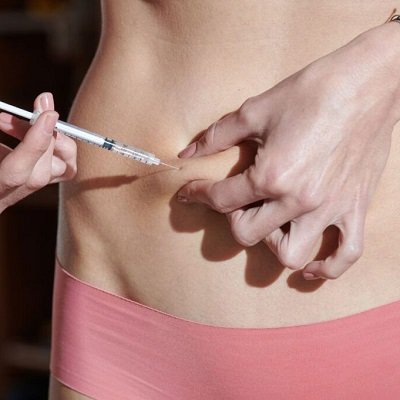
The process is straightforward, minimally invasive, and designed to fit conveniently into a standard daily routine. Prior to administration, the target area is cleaned thoroughly and evaluated to mark precise injection locations.
A grid pattern is often drawn on the skin surface using washable markers to ensure standard distribution of the solution. Micro-injections are delivered using ultra-fine needles directly into the dermal layer, requiring only a brief duration to complete.
- Surface Preparation: The area is sanitized, dried, and mapped out using temporary grid lines.
- Micro-Needle Delivery: Solutions are introduced at uniform, shallow depths across the marked zone.
- Brief Duration: Most administration sessions take less than thirty minutes from start to finish.
- Immediate Discharge: Individuals resume normal light activities immediately following session completion.
Post-Procedure Care and Maintenance
Maximizing the longevity of the results requires adherence to basic post-care guidelines during the initial hours following administration. Gentle care helps ensure the solution settles evenly across the designated tissue layers.
Avoiding strenuous physical exertion, extreme heat environments, and intense rubbing of the target zone ensures optimal localized absorption. Standard daily routines can otherwise continue without significant disruption.
- Avoid Intense Heat: Refrain from hot saunas, steam rooms, and hot baths for twenty-four hours post-session.
- Limit Heavy Exercise: Delay high-intensity workouts for a full day to prevent rapid circulation shifts.
- Gentle Surface Touch: Do not massage or press firmly on injection sites during the initial settling period.
- Clean Hygiene Routines: Keep the treated skin area clean and dry using mild, non-irritating cleansers.
Duration of Results and Follow-Up
The onset of moisture reduction becomes noticeable within a few days, reaching full expression within two weeks of administration. Dryness remains consistent for several months before nerve signals gradually re-establish connections.
Because the body steadily processes the active protein, periodic maintenance sessions help maintain uninterrupted comfort. Over time, some individuals notice prolonged intervals between required follow-ups as overactive signaling patterns adapt.
- Initial Onset: Moisture reduction begins appearing within two to four days following administration.
- Peak Effectiveness: Complete dryness and signal blockade occur between ten to fourteen days.
- Extended Duration: Results typically endure across four to twelve months depending on personal metabolism.
- Maintenance Planning: Scheduling periodic touch-ups preserves continuous, seamless moisture control.
Alternative Solutions vs. Localized Injections
Managing overactive sweat glands often involves testing multiple approaches before discovering a long-term option that balances convenience and consistency. While topicals and oral options exist, localized injections occupy a unique space in moisture management protocols.
Topical antiperspirants contain aluminum salts that physically plug sweat ducts. While useful for mild cases, they require daily application, can cause surface irritation, and often wash away under heavy moisture flow.
Oral medications function systemically to block fluid production throughout the entire body. While effective, systemic distribution affects unneeded areas, making targeted dermal administration a more site-specific choice for localized hyperhidrosis.
- Topical Formulations: Require daily application, risk skin stinging, and offer limited protection against intense moisture.
- Systemic Medications: Affect moisture production globally throughout the body rather than focusing on target regions.
- Targeted Injections: Provide continuous, localized fluid control directly at the overactive site without daily effort.
Frequently Asked Questions
How long does it take to see results after treatment?
Initial reduction in sweat production typically becomes noticeable within two to four days following administration. The full effect of the signal blockade generally settles within ten to fourteen days, delivering maximum dryness across the treated grid area.
Will stopping sweat in one area cause more sweating elsewhere?
No, compensatory sweating is extremely rare with localized intradermal injections. Because the application targets a small percentage of the body’s overall sweat glands, natural temperature regulation continues unaffected through the remaining millions of untreated glands across the body.
How often do touch-up sessions need to be scheduled?
Maintenance schedules vary based on individual metabolic rates and target locations. On average, results endure for four to twelve months, with most individuals opting for follow-up administration once or twice per year to sustain steady dryness.
Can daily activities be resumed immediately after administration?
Yes, light daily activities, work responsibilities, and routine errands can be resumed immediately following the session. However, high-intensity exercise, heavy lifting, and exposure to intense heat settings like saunas should be avoided for the first twenty-four hours.