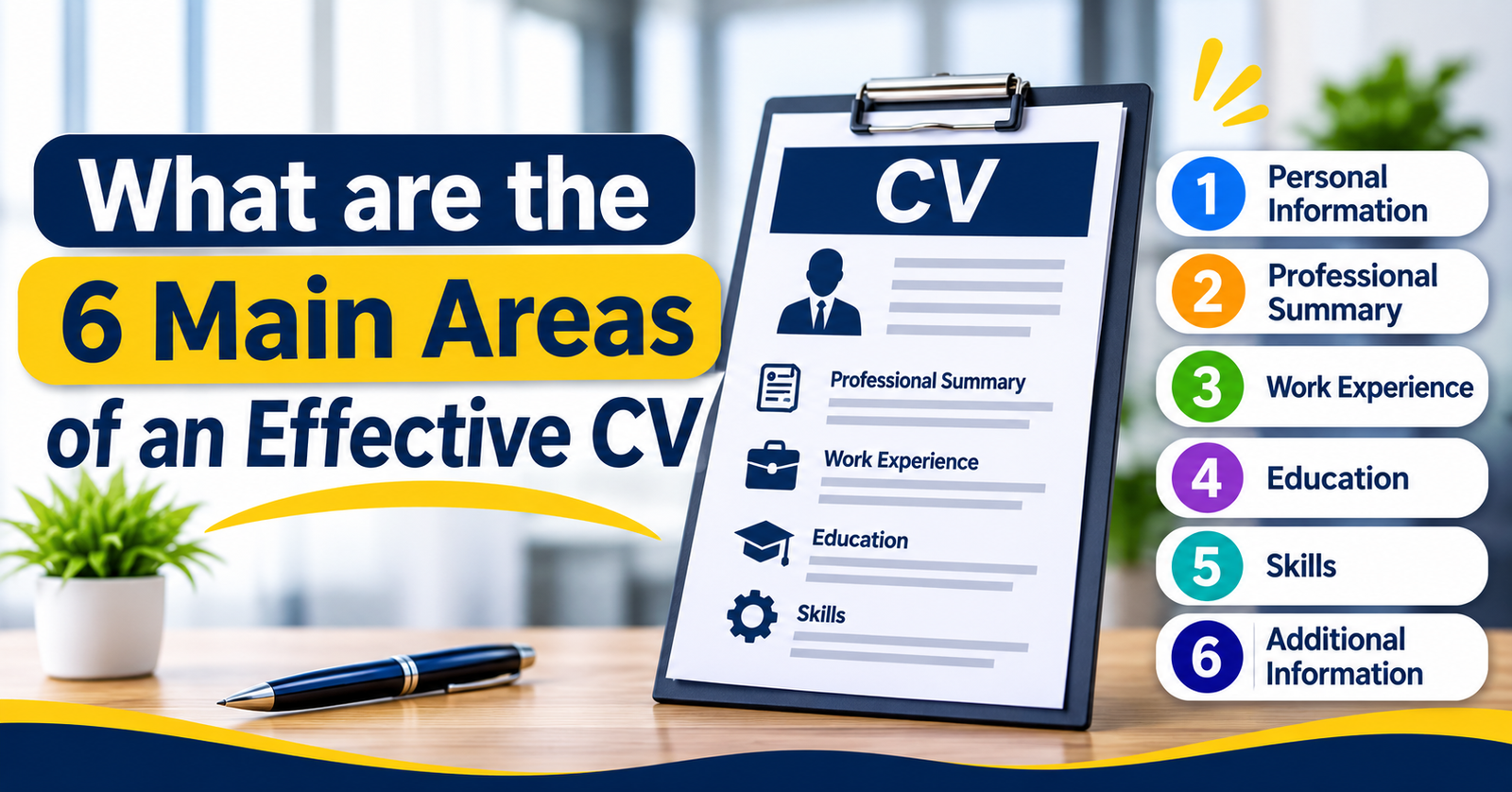
Your CV is not simply a list of your education and/or work experience. It is a working marketing instrument which showcases to an employer your attributes, abilities, accomplishments and career potential. It’s important your application is noticed and gives the employer a reason to consider you for the position, especially as hundreds of applications are sent in for a position. A good CV will be clear, concise, pertinent, and readable. The aim is to not only describe what you’ve done but to illustrate your impact on an organization.
The Reason Why an Effective CV Matters
Your CV will make your first impression before you meet with an employer face to face. It enables the recruiter to know about your background, career direction, strengths, etc. and how well you fit the job. Many candidates make the mistake of including a CV which is basically a life story, but one that is good should be selective and strategic. It should stand out most salient information based on Job Description. A CV that is well organized will help the recruiter to save time and make the candidate more likely to be called for an interview.
Essential Parts of a Good CV
A CV should have six main sections – personal information, professional profile, work experience, education, skills and achievements or additional information. Each of the areas is utilized to present the candidate in a different manner. How to structure these sections properly – that’s where Best CV Writing Service can come in handy, but each job seeker should also know the role of each section. These aren’t only headings for a successful CV, they are used to give a clear and convincing CV story.
Personal Information / Contact details
Personal information and contact details are in the first part of a CV. This section should be simple, clear and concise. This will typically include your name, phone number, email, city or local area, and possibly include a link to your LinkedIn profile or professional portfolio. The sender’s email address should be smart looking as an unprofessional email might leave a negative impression. If you include information about your personal life, like religion, marital status, national identity number, or all your home address in the CV, unless you are invited to do so by the employer.
Professional Profile/Career Summary
The other significant section is the professional profile (also known as the career summary). This short paragraph is located close to the beginning of the CV. It’s meant to give them an introduction to you, your experience and the value you bring. The professional profile needs to be job oriented. A marketing graduate may concentrate on communication skills, knowledge of market research, campaign planning and understanding of customers. An experienced sales representative is able to focus on sales growth, client management, and objectives attainment. This section should be bold, but not over-bold.
Use of Employability and Work Experience
In the eyes of candidates with experience, work experience is simply the most important part of a CV. The optimal CV is one that conveys progress and success. You can write instead that you increased sales, handled key customers, developed sales, grew the business, developed customers, or contributed to the business’s growth in sales, instead of saying that you are responsible for sales. Employers want results, they don’t want to see a list of tasks.
Education and Training, Work Qualifications
Another primary section of a good CV is education. Especially useful for fresh graduates, students and those who want academic or technical jobs. May give degrees, institution, year of study, major subjects and academic excellence of the study. Professional qualifications, certifications and training can also be incorporated here if it is applicable to the job application. For example, a finance-seeker may be a qualified accountant, and a digital marketer may be a trained or certified Google Ads specialist, SEO expert, or an analytics or social media marketing specialist.
Key Skills and Core Competencies
Skills are a key component of a CV as they demonstrate what the candidate is able to do. Soft skills and technical skills should be included to this area. The technical skills may range from software knowledge to data analysis, project management tools, design tools, language skill or industry specific skills. Communication, teamwork, leadership, problem-solving, adaptability and time management are examples of soft skills. Skills, however, should be notated in an arbitrary order. These should be consistent with the job description and have supporting evidence from work experience or academic work.
Best Practices Will be Highlighted
A CV, as long as achievements are included, is a better one as these show results that have been delivered. Many candidates only discuss what they have done, employers want to know about your accomplishments. Achievements are anything such as: Awards, promotions, scholarships, successful projects, sales targets, cost savings, leadership involvement, or published research, event management or process improvements. Achievements should, if possible, include a number, percentage or outcome. You’d be better off stating that you lead a team of ten, rather than you worked well in a team, unless you managed to reduce the time taken to answer customer queries by 30 per cent as well.
Additional Details and Clarifying Explanations
Additional information that will enhance the CV can be added to the sixth main area. This may include languages, volunteer activities, extracurricular activities, professional memberships, publications, licenses, conferences etc. of personal projects. It may be relevant to students new to college who are looking for leadership and initiative and looking for some exposure prior to their first job. But this section should still be relevant
Conclusion
All such spaces will present the complete professional history of the candidate. CV should be clear, honest, well organized and suitable to the position. It should not only reflect the applicant’s activities but also how his or her experience and skills can be of value to the employer. If job seekers keep these 6 points in mind and write them down, they will know how to create a CV that gets them calls and set a meeting with the employers.