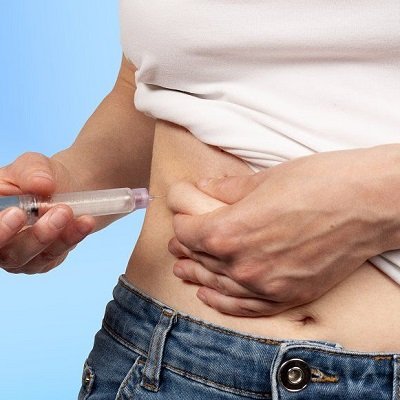
Polycystic ovary syndrome (PCOS) is a common hormonal condition that can affect menstrual cycles, fertility, skin health, and metabolism. For many women living with PCOS, managing body weight can be particularly challenging. Insulin resistance, increased appetite, hormonal changes, and other metabolic factors may contribute to weight gain or make weight loss more difficult, even when healthy habits are in place.
As a result, interest in medical weight-management options has grown, including prescription injections that help regulate appetite and support weight reduction. These treatments have attracted attention because they may offer additional benefits for women who have PCOS alongside overweight or obesity.
For individuals researching Weight Loss Injections in Muscat, an important question is whether these medications are supported by scientific evidence for PCOS and whether they can improve symptoms beyond weight loss alone.
Current research suggests that certain injectable medications may help selected women with PCOS manage excess weight and some related metabolic concerns. However, the evidence is still developing, and these medications are not a cure for PCOS. Their suitability depends on individual health needs, pregnancy plans, medical history, and the specific medication being considered.
Understanding what the evidence shows can help women make informed decisions about treatment while maintaining realistic expectations.
1. Understanding PCOS and Its Connection to Weight Gain
PCOS is a complex hormonal and metabolic condition that affects how the ovaries function. It is commonly associated with irregular menstrual cycles, elevated androgen levels, and, in some individuals, an appearance of multiple small follicles on an ultrasound.
Despite its name, ovarian cysts are not necessary for a PCOS diagnosis. The condition can also occur in women who are not overweight, and excess weight is not the cause of every case.
One important feature of PCOS is insulin resistance. Insulin is a hormone that helps move glucose from the bloodstream into the body’s cells. When the body becomes less responsive to insulin, it may produce more insulin to maintain normal blood sugar levels.
Higher insulin levels can contribute to increased androgen production in some women, potentially worsening symptoms such as acne, excess facial hair, and irregular ovulation. Insulin resistance can also increase the risk of developing prediabetes and type 2 diabetes.
Weight management can be challenging because appetite regulation, genetics, sleep, stress, and hormonal factors all influence body weight. Some women may experience increased hunger or find that weight returns after previous attempts at weight loss.
However, PCOS affects individuals differently. Not every woman with the condition experiences insulin resistance, and not every woman needs to lose weight as part of her treatment.
For women who have both PCOS and excess weight, a personalised management plan may include nutritional changes, physical activity, appropriate medication, and support for specific symptoms. In selected cases, prescription weight loss injections may be considered as part of this broader approach.
2. How Weight Loss Injections Work in Women With PCOS
Weight loss injections are prescription medications that influence biological pathways involved in appetite, fullness, and, depending on the medication, blood glucose regulation.
Two treatments frequently discussed in relation to PCOS are semaglutide and tirzepatide.
Semaglutide acts as a glucagon-like peptide-1 (GLP-1) receptor agonist. It mimics the effects of a naturally occurring hormone involved in appetite regulation and blood sugar control. It can help reduce hunger, increase feelings of fullness, and lower overall food intake.
Tirzepatide acts on both glucose-dependent insulinotropic polypeptide (GIP) and GLP-1 receptors. These pathways influence metabolic regulation and appetite, potentially supporting substantial weight reduction in eligible patients.
By helping individuals feel satisfied with smaller meals, these medications may make it easier to maintain an eating pattern that supports weight loss. Some also slow gastric emptying, although this effect varies and can contribute to digestive side effects.
For women with PCOS, the potential benefits may extend beyond changes in body weight. Reducing excess weight, when appropriate, may improve certain aspects of insulin sensitivity and metabolic health.
Nevertheless, the medications do not directly correct every hormonal feature of PCOS. Their effects on menstrual regularity, ovulation, androgen levels, and fertility may differ between individuals. Some improvements may occur indirectly through weight loss and metabolic changes rather than through a direct treatment effect on the underlying condition.
Women considering Weight Loss Injections in Muscat should therefore understand that these medicines may support PCOS management in selected circumstances, but they do not replace a comprehensive assessment of the condition.
3. What Does the Scientific Evidence Say About Weight Loss Injections for PCOS?
Research into GLP-1-based medications for PCOS has expanded in recent years. Studies have investigated whether these treatments can improve weight, insulin resistance, menstrual patterns, and other features of the condition.
Evidence for Weight Reduction
Several clinical studies and reviews have found that GLP-1 receptor agonists, particularly liraglutide and semaglutide, can support weight loss in some women with PCOS who have overweight or obesity.
The amount of weight lost varies according to the medication, dose, treatment duration, lifestyle factors, and individual response. Evidence from general obesity trials also supports the weight-management benefits of semaglutide and tirzepatide in eligible populations, although results from broader populations should not automatically be interpreted as PCOS-specific evidence.
Weight reduction may help improve metabolic health and make certain PCOS symptoms easier to manage. However, results cannot be guaranteed, and medication is not necessary or appropriate for every woman with the condition.
Evidence for Insulin Resistance and Metabolic Health
Some studies suggest that GLP-1-based treatments can improve measures of insulin resistance and aspects of metabolic health in women with PCOS. These improvements may result from a combination of weight reduction and the medications’ effects on glucose regulation.
However, studies differ in size, design, treatment duration, and the outcomes they measure. More high-quality research is needed to establish which patients benefit most and whether the improvements remain after treatment ends.
Evidence for Menstrual Regularity and Androgen-Related Symptoms
Some research has reported improvements in menstrual regularity and reproductive hormone measures among women with PCOS receiving GLP-1 receptor agonists. These changes may be linked to weight reduction and improvements in insulin resistance.
The evidence is less definitive for outcomes such as excess facial hair, acne, and fertility. These symptoms involve several hormonal pathways, and improvements in weight or insulin sensitivity do not guarantee that every symptom will resolve.
There is also limited evidence about the long-term effects of these medications specifically in women with PCOS. Larger, longer studies are needed to clarify their benefits, safety, and role alongside established PCOS treatments.
Overall, the evidence is promising, particularly for weight management and certain metabolic outcomes, but it does not support treating weight loss injections as a universal or standalone solution for PCOS.
4. Potential Benefits, Risks, and Important Safety Considerations
For suitable candidates, weight loss injections may provide several benefits. These can include reduced appetite, improved control over portion sizes, meaningful weight reduction, and improvements in certain metabolic risk factors.
Some women may also experience more regular menstrual cycles as their metabolic health improves. However, this outcome is not guaranteed, and specific reproductive or hormonal symptoms may require separate treatment.
The potential benefits must be balanced against possible side effects.
Common adverse effects of GLP-1-based medications include nausea, vomiting, diarrhoea, constipation, bloating, and abdominal discomfort. Symptoms may be more noticeable when treatment begins or when the dose increases.
Less common but important risks include gallbladder problems and pancreatitis. Severe or persistent abdominal pain, repeated vomiting, or symptoms of dehydration require prompt medical assessment.
These medications may also be unsuitable for individuals with certain medical histories. For example, semaglutide and tirzepatide products carrying the relevant warning are generally contraindicated in people with a personal or family history of medullary thyroid carcinoma or multiple endocrine neoplasia syndrome type 2.
A further consideration is pregnancy. Weight loss injections are not treatments for improving fertility directly, and they should not be used for weight loss during pregnancy. Women planning to conceive should discuss treatment timing and discontinuation requirements with a qualified healthcare professional before starting medication.
Specific guidance varies by product. For example, semaglutide generally needs to be discontinued at least two months before a planned pregnancy according to its prescribing information. Tirzepatide has different considerations, including possible effects on oral contraceptive reliability after treatment initiation and dose increases. Its product-specific instructions should be reviewed carefully.
Because some women with PCOS have irregular periods, pregnancy may occur even when ovulation is unpredictable. Contraception and pregnancy planning are therefore particularly important during treatment.
For anyone exploring Weight Loss Injections in Muscat, a medical assessment should consider both weight-management goals and reproductive plans before a prescription is made.
5. Who May Be a Suitable Candidate for Weight Loss Injections in Muscat?
Weight loss injections may be considered for women with PCOS who also meet the eligibility criteria for a prescribed weight-management medication.
Depending on the product and local prescribing guidance, weight-management medications are commonly considered for adults with a BMI of 30 or higher, or a BMI of 27 or higher when certain weight-related health conditions are present.
Potentially relevant conditions include high blood pressure, abnormal cholesterol levels, obstructive sleep apnoea, and type 2 diabetes. However, BMI is only one part of the assessment, and PCOS alone does not automatically make someone eligible for weight loss injections.
A healthcare professional may review menstrual history, weight changes, current medication use, blood pressure, blood glucose, and other relevant health indicators. Testing may include an assessment of glucose regulation and cholesterol levels, depending on the patient’s circumstances.
The assessment can also help distinguish between symptoms caused by PCOS and those that may require further investigation. For example, persistent menstrual irregularity or signs of elevated androgen levels may need specific evaluation rather than being attributed to PCOS without assessment.
Some women may benefit more from established PCOS treatments, including lifestyle support, metformin for appropriate metabolic indications, combined oral contraceptives for certain menstrual or androgen-related symptoms, or other treatments tailored to their goals.
Women considering Weight Loss Injections in Muscat should choose a legitimate, appropriately prescribed medication and avoid unregulated products marketed as quick solutions. The availability and approved uses of individual medicines may vary, so local prescribing requirements should be confirmed.
The best treatment is one that addresses the individual’s health priorities rather than focusing on weight alone.
6. Combining Medication With Lifestyle Changes for Better Long-Term Results
Weight loss injections are generally most effective as part of a broader management plan. Even when medication reduces hunger, balanced nutrition, physical activity, sleep, and behavioural support remain important for long-term health.
A nutritious eating pattern can include vegetables, fruit, whole grains, legumes, lean protein sources, and healthy fats. Protein intake is particularly important during weight loss because it helps support muscle maintenance. Individual nutritional needs vary, and excessively restrictive diets can lead to nutritional deficiencies.
Regular physical activity may improve insulin sensitivity, cardiovascular fitness, and overall wellbeing. A combination of aerobic activity and strength training can be helpful when appropriate for the individual’s fitness level and health status.
Sleep and stress management also deserve attention. Poor sleep and ongoing stress may affect appetite, energy levels, and the ability to maintain healthy routines.
Women with PCOS may benefit from tracking more than body weight alone. Changes in menstrual patterns, energy levels, glucose measurements, blood pressure, and other relevant indicators can provide a broader picture of progress.
Regular follow-up appointments help assess medication tolerance, review nutritional intake, and determine whether treatment remains appropriate. If side effects become difficult to manage or progress is limited, the treatment plan may need adjustment.
It is also important to consider what happens when medication is stopped. Appetite may increase again, and some individuals regain weight after discontinuation. A long-term plan should therefore address weight maintenance and PCOS-related health needs even if injections are no longer being used.
Ultimately, Weight Loss Injections in Muscat may be a useful option for selected women with PCOS and excess weight. Current evidence supports their potential role in weight management and some metabolic outcomes, but more PCOS-specific research is needed. Individualised medical guidance, realistic expectations, and sustainable lifestyle habits remain essential.
Frequently Asked Questions
1. Can weight loss injections treat PCOS directly?
Weight loss injections do not cure PCOS. They may help manage excess weight and improve certain metabolic measures in eligible women. Some PCOS symptoms may improve as metabolic health changes, but menstrual irregularity, acne, excess facial hair, and fertility concerns may require separate treatment.
2. Which weight loss injections are studied for PCOS?
Research has examined GLP-1 receptor agonists such as liraglutide and semaglutide in women with PCOS. Tirzepatide may also be considered for eligible patients who meet the relevant weight-management criteria, although PCOS-specific evidence remains more limited. The appropriate medication depends on individual circumstances and local approvals.
3. Do weight loss injections improve fertility in women with PCOS?
Some women may experience improved menstrual regularity or ovulation following weight reduction and improvements in metabolic health. However, weight loss injections are not established fertility treatments, and evidence regarding pregnancy outcomes remains limited. Women trying to conceive should discuss evidence-based fertility care and medication safety with a qualified healthcare professional.
4. Are weight loss injections safe for women with PCOS?
They may be suitable for selected women, but safety depends on the medication, medical history, other treatments, and pregnancy plans. Digestive side effects are common, while less common complications can include gallbladder problems and pancreatitis. Medical assessment and regular monitoring are important.
5. How long does it take to see results from weight loss injections?
Some individuals notice reduced appetite within the first few weeks, while measurable weight changes generally develop over a longer period. Results depend on the medication, prescribed dose, lifestyle habits, and individual response. Treatment should be reviewed regularly rather than judged by short-term changes alone.
6. Can women access weight loss injections for PCOS in Muscat?
Prescription weight-management injections may be available in Muscat, depending on local approval, supply, and prescribing requirements. Women should seek a medical assessment to determine whether they meet the eligibility criteria and whether the selected medication is appropriate for their PCOS symptoms, overall health, and pregnancy plans.
Read More About Weight Loss Injections: https://autopedia.co.uk/events/oman/muscat/muscat-1/can-you-travel-while-using-weight-loss-injections/