A confident smile can influence how people feel about their appearance, and modern cosmetic dentistry offers several ways to refine the look of teeth. Dental veneers are one option for people who want to improve selected aspects of their smile, such as tooth colour, shape, proportion or overall consistency.
However, veneers are not simply chosen from a catalogue and placed on the teeth. A carefully planned process begins with a consultation, continues through smile assessment and veneer design, and ends with fitting and final adjustments.
For people considering Veneers Dubai, understanding each stage of the consultation and treatment process can help make dental appointments more productive and expectations more realistic. At Cornerstone, an individual assessment can help dentists understand the patient’s smile goals and develop a treatment plan suited to their teeth and overall facial appearance.
What Are Dental Veneers?
Dental veneers are thin, custom-made coverings designed to improve the visible appearance of teeth. They are typically placed on the front surface of selected teeth and can be used to address certain cosmetic concerns.
Depending on the material and treatment plan, veneers can be designed to alter the appearance of tooth colour, shape, size and proportion.
The number of veneers required varies from patient to patient. Some people may be interested in improving one or two teeth, while others may want a broader smile transformation.
Why a Consultation Is Important
The consultation is the foundation of veneer treatment. It allows the dentist to evaluate the teeth and understand what the patient wants to change.
A cosmetic concern may appear straightforward, but the dentist needs to consider factors such as tooth structure, alignment, bite, gum appearance and the relationship between individual teeth.
The consultation therefore helps determine whether veneers are appropriate and how they should be designed.
Discussing Your Smile Goals
The process usually begins with a conversation about the patient’s expectations. Some people may want a brighter smile, while others may be more concerned about tooth shape, minor spacing or uneven proportions.
Patients should describe what they like and dislike about their current smile as clearly as possible.
Reference photographs can sometimes help communicate preferred styles, although the dentist must adapt the treatment plan to the patient’s individual features.
Evaluating the Teeth
The dentist examines the teeth carefully before recommending veneers. This may include evaluating tooth structure, existing dental restorations, alignment and the overall condition of the smile.
The dentist also considers whether the teeth are suitable for cosmetic restoration.
This assessment is important because veneers are designed to work with the existing teeth rather than simply covering every cosmetic concern without considering the underlying dental condition.
Assessing the Bite
The relationship between the upper and lower teeth is another important consideration.
A dentist evaluates the patient’s bite to understand how the teeth meet during normal jaw movement. This information can influence veneer design, thickness and placement.
A restoration needs to fit naturally within the patient’s existing dental function while achieving the desired aesthetic appearance.
Examining the Gums
The appearance of the gums can have a significant influence on the overall smile. The dentist may examine gum position, symmetry and the amount of gum visible when the patient smiles.
This helps the dentist understand how the teeth and gums work together visually.
In some cases, the appearance of the gums may need to be considered when planning the shape and length of veneers.
Choosing the Right Veneer Material
Different veneer materials have different visual and functional characteristics. Porcelain and other ceramic materials are commonly considered for their natural-looking appearance, while composite options may be appropriate in selected circumstances.
The dentist discusses available materials based on the patient’s goals, tooth condition and treatment expectations.
The choice should be personalised rather than based solely on which material is most commonly advertised.
Deciding How Many Veneers Are Needed
The number of veneers depends on the patient’s smile goals and the teeth being treated.
For some people, treating a small number of visible teeth may create the desired improvement. Others may require a larger number of veneers to achieve a more consistent appearance across the smile.
The dentist considers factors such as tooth visibility, symmetry, colour and proportion when determining the treatment scope.
Planning Tooth Shape and Proportion
One of the most important parts of veneer treatment is designing the shape of the restorations.
The dentist considers the dimensions of existing teeth, facial proportions and the overall smile line when determining the appropriate veneer shape.
The goal is generally to create teeth that look balanced rather than identical in every patient.
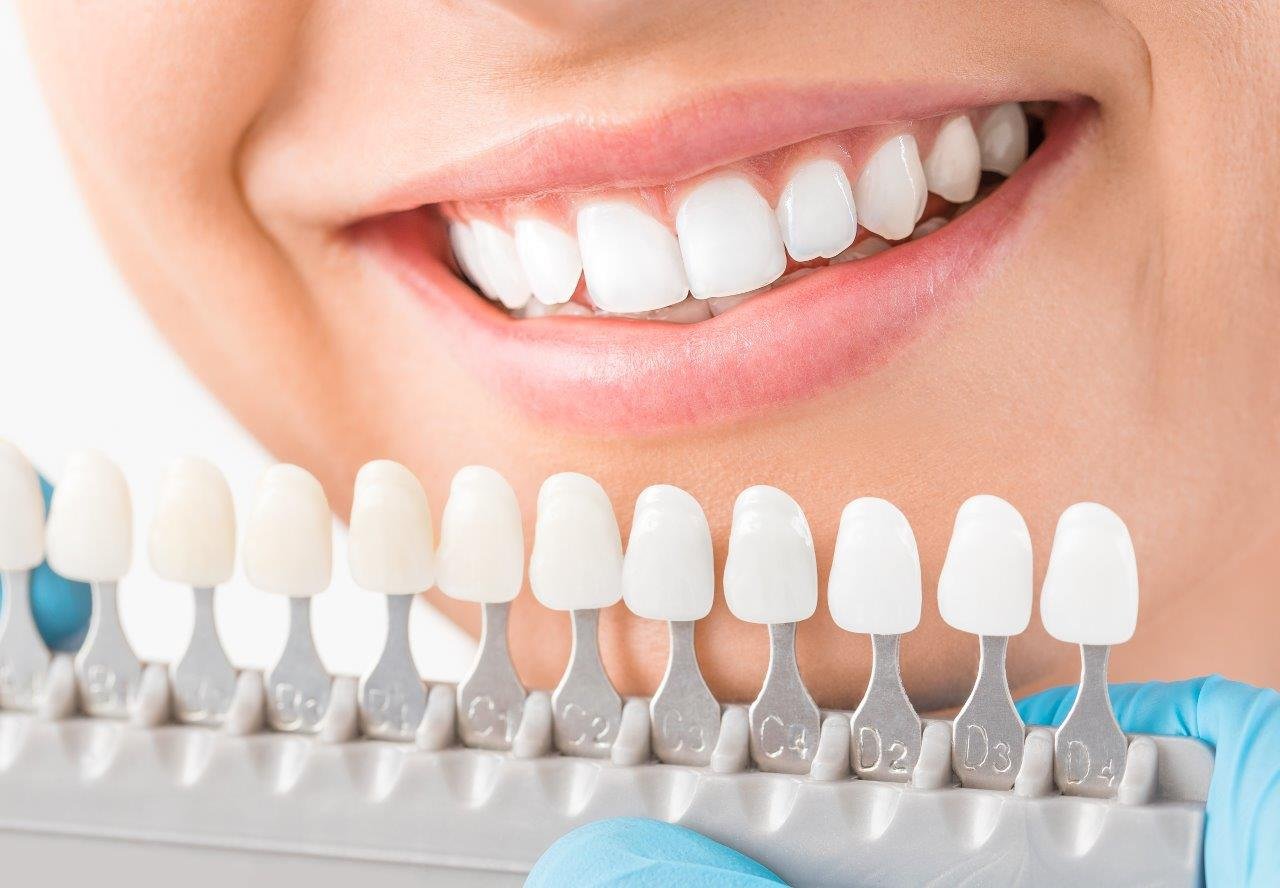
Selecting the Veneer Shade
Colour selection is another important part of the planning process.
Patients may have different preferences regarding brightness and natural appearance. The dentist evaluates existing teeth and discusses the desired shade before the veneers are created.
When several teeth are being treated, consistent colour becomes particularly important for creating a harmonious smile.
Digital Smile Planning
Modern dental practices may use digital technologies to support smile planning. Digital photographs, scans and computer-based designs can help dentists analyse the teeth and develop a more precise treatment plan.
These tools can also make it easier for patients to understand proposed changes before treatment begins.
Digital planning is a support tool, however, and the final design still needs to take individual dental anatomy into account.
Creating a Preview of the Proposed Smile
Depending on the treatment approach, patients may be able to see a visual representation or temporary preview of the proposed veneer design.
This can help patients communicate preferences regarding tooth length, width, shape and overall appearance.
The preview stage can be particularly useful because cosmetic dentistry involves subjective preferences as well as technical considerations.
Preparing the Teeth
Once the treatment plan has been agreed, the teeth are prepared according to the selected veneer technique and material.
The amount of preparation depends on the type of veneer and the individual treatment plan. The dentist works carefully to create the appropriate surface for the restoration while maintaining the overall structure of the tooth.
The preparation process is planned according to the final design.
Taking Dental Impressions or Digital Scans
The dentist needs an accurate representation of the teeth to create customised veneers.
This can be achieved through traditional impressions or digital scanning, depending on the clinic’s technology and the treatment approach.
The resulting information is used to design veneers that correspond to the patient’s individual tooth dimensions and bite.
Designing the Veneers
Once the dental information has been captured, the veneers are designed according to the agreed treatment plan.
The laboratory or digital workflow takes into account tooth shape, size, colour, alignment and the patient’s overall smile.
The objective is to create restorations that integrate naturally with the surrounding teeth.
Fitting and Evaluating the Veneers
When the veneers are ready, the dentist evaluates their fit, shape and appearance before final placement.
This stage allows the dentist and patient to assess how the veneers look within the smile and whether the design matches the agreed aesthetic direction.
Small adjustments may be discussed when appropriate before final bonding.
Final Placement
After the fit and appearance have been confirmed, the veneers are placed according to the treatment plan.
The dentist carefully positions each restoration to create appropriate alignment, proportions and overall symmetry.
The final stage is focused on ensuring that the veneers integrate naturally with the patient’s smile and function comfortably within the existing bite.
Maintaining a Natural-Looking Appearance
A natural-looking smile depends on more than having bright teeth. Shape, translucency, proportions, spacing and the relationship between teeth all contribute to the final appearance.
For this reason, veneer planning should consider the smile as a whole.
At Cornerstone, personalised planning can help dentists design veneers around the patient’s individual facial and dental characteristics.
How Patients Can Prepare for Consultation
Before a veneer consultation, it can be useful to think about what you want to change about your smile.
You might want to address tooth colour, uneven shapes, spacing, small variations in size or overall smile symmetry.
Bringing reference photographs can also help explain your preferred aesthetic style. However, the dentist will determine which features can realistically be incorporated into your treatment plan.
Questions to Ask Your Dentist
Patients should feel comfortable asking questions throughout the process. You may want to ask which veneer material is appropriate for your teeth, how many veneers may be needed and how the final shade and shape will be selected.
It is also helpful to understand the different stages involved in designing, preparing and placing the veneers.
Clear communication allows the treatment plan to reflect both dental requirements and personal preferences.
Personalised Veneer Planning at Cornerstone
At Cornerstone, the veneer consultation can focus on the patient’s individual smile rather than applying a standard design to every person.
The dentist can assess tooth structure, gum appearance, bite, facial proportions and aesthetic preferences before developing the treatment plan.
For people researching Veneers Dubai, this personalised approach can help explain why veneer treatment differs from one patient to another.
Why Smile Proportion Matters
A veneer can look different depending on the shape and size of the surrounding teeth and the patient’s facial proportions.
For example, a tooth that appears appropriately sized on one face may look too long or too wide on another.
The dentist therefore considers the relationship between the teeth and the overall facial appearance when designing veneers.
The Importance of Individualised Treatment
Veneers are cosmetic restorations, but their success depends heavily on careful planning.
A personalised approach considers the patient’s existing teeth, desired appearance, bite and smile characteristics. This allows the dentist to create a treatment plan that is specific to the individual.
Rather than choosing a generic “perfect smile,” the aim is to develop an appearance that complements the patient’s natural features.
Conclusion
The veneer treatment process begins long before the restorations are placed. Consultation, dental assessment, smile planning, material selection, shade matching, tooth preparation, digital scanning and final fitting all contribute to the overall treatment plan.
For people considering Veneers Dubai, understanding these stages can make it easier to approach a cosmetic dentistry consultation with realistic expectations and clear goals. At Cornerstone, personalised assessment can help dentists develop veneer designs based on the patient’s teeth, facial proportions, bite and aesthetic preferences.
The most appropriate veneer treatment is not simply about creating brighter teeth. It is about designing restorations that complement the individual’s smile and provide a balanced relationship between colour, shape, size and proportion.
Frequently Asked Questions
What are dental veneers?
Dental veneers are thin, customised restorations designed to improve the visible appearance of teeth. They can be used to change aspects such as tooth colour, shape, size and proportion.
What happens during a veneer consultation?
The dentist discusses your smile goals and examines your teeth, gums, bite and overall smile. The assessment helps determine whether veneers are appropriate and how they should be designed.
How many veneers do I need?
The number depends on your aesthetic goals, the teeth that are visible when you smile and the level of consistency you want. Your dentist can recommend an appropriate number after evaluating your smile.
How is the veneer colour selected?
The dentist considers the existing tooth shade and discusses your preferred level of brightness. The selected shade is incorporated into the final veneer design.
Can veneers change the shape of teeth?
Yes. Veneers can be designed to modify the visible shape and proportions of selected teeth according to the treatment plan.
Are veneers suitable for every tooth?
Not necessarily. The dentist evaluates each tooth individually, including its structure, condition, alignment and function, before recommending veneers.
Does the bite affect veneer treatment?
Yes. The dentist evaluates how the upper and lower teeth meet because the bite can influence veneer design and placement.
Can I show my dentist pictures of the smile I want?
Yes. Reference photographs can help communicate your preferred aesthetic style. The dentist will adapt the design according to your own dental and facial characteristics.
What materials can be used for veneers?
Veneers may be made from materials such as porcelain or other ceramics, while composite materials may be used in selected treatments. The dentist recommends a material based on individual requirements.
Are digital scans used for veneers?
Many modern dental practices use digital scanning to capture detailed information about the teeth. These scans can support the design and fabrication of customised restorations.
Can I preview my veneer design?
Depending on the clinic and treatment approach, digital planning or temporary previews may be available. These tools can help patients understand the proposed shape and overall smile design.
How should I prepare for a veneer consultation?
Think about the changes you want to make, such as tooth colour, shape, spacing or proportions. You can also prepare questions and bring reference photographs to help communicate your preferences.
Why is personalised veneer planning important?
Every smile has different tooth shapes, facial proportions and dental characteristics. Personalised planning allows the dentist to create a veneer design that is suited to the individual rather than using a standard appearance.
What does Veneers Dubai involve?
Veneers Dubai refers to dental veneer treatment provided in Dubai. The specific consultation, material and treatment process depend on the patient’s dental condition, aesthetic goals and chosen treatment plan.