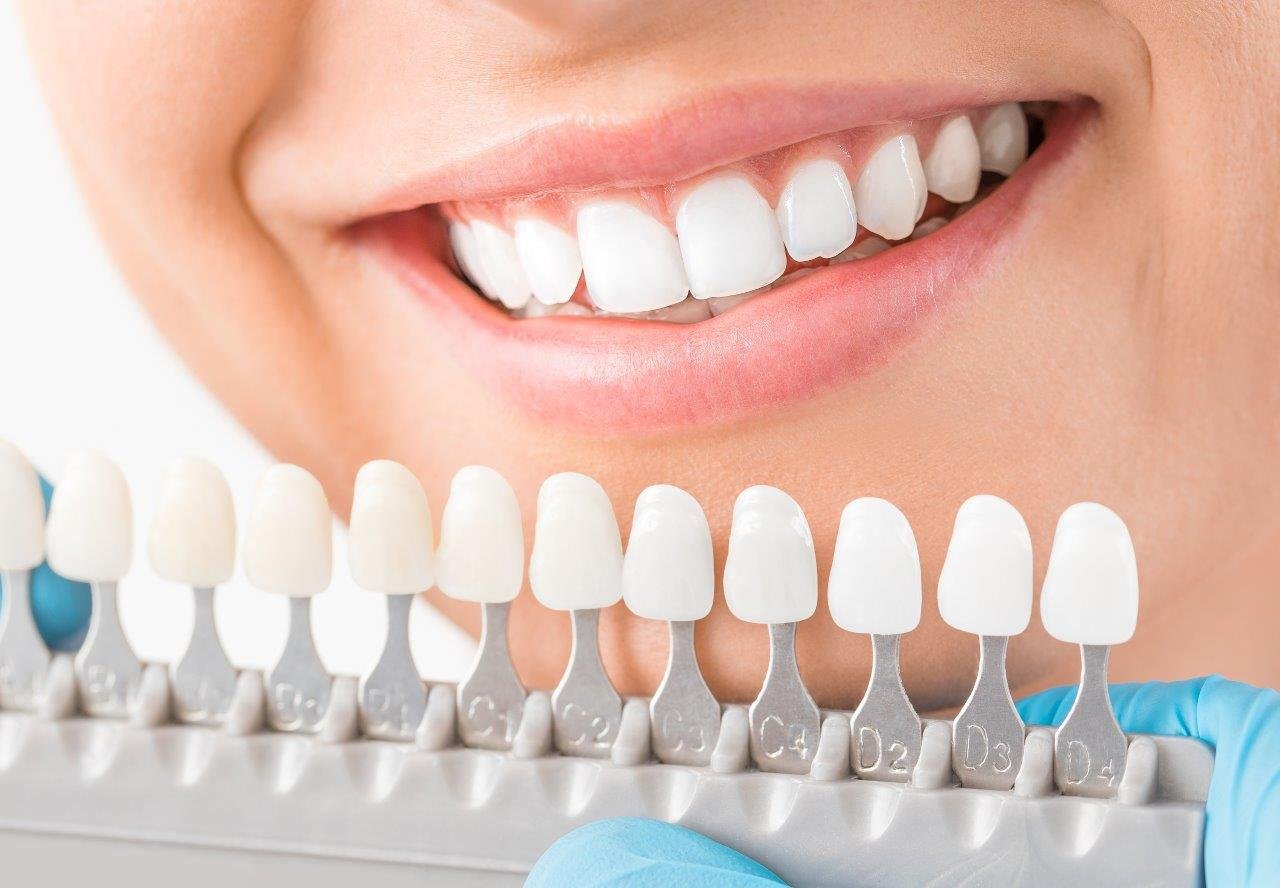
When considering cosmetic dental treatment, the shape of each tooth plays an important role in creating a balanced and natural-looking smile. Veneers are designed to enhance the visible appearance of teeth, so understanding the existing tooth shape is an important part of treatment planning. Before recommending veneers, a dental professional may assess several characteristics of the teeth, including their length, width, contours, proportions, alignment, and relationship with surrounding teeth.
For patients considering Veneers Dubai, the evaluation process can help determine how veneer design may complement the overall smile. Rather than focusing on one tooth in isolation, the assessment generally considers the relationship between individual teeth, the dental arch, facial features, and the patient’s aesthetic preferences.
Understanding how tooth shape is evaluated can help patients know what to expect during an initial consultation and why personalised planning is important.
Why Tooth Shape Matters Before Veneer Treatment
Every person’s teeth have naturally different shapes and proportions. Some teeth may appear relatively narrow, while others may be wider or more rounded. Tooth edges can also vary from one person to another, with some having more prominent contours and others having a flatter appearance.
Veneers are intended to work with the existing characteristics of the smile while allowing selected aspects of tooth appearance to be refined. Therefore, assessing tooth shape before treatment helps the dental professional understand the starting point.
The assessment may consider whether the teeth appear proportionate to one another, how their edges align, and how much of each tooth is visible when the patient smiles. These details can influence the proposed veneer dimensions and overall design.
How the Width of the Teeth Is Assessed
Tooth width is one of the important characteristics considered during veneer planning. If one or more visible teeth appear unusually narrow or broad compared with neighbouring teeth, the difference can influence the overall appearance of the smile.
During an evaluation, the dental professional may compare the width of individual teeth with adjacent teeth and consider their relationship across the visible smile. The upper front teeth often receive particular attention because they are prominent when speaking and smiling.
The aim is not necessarily to make every tooth identical. Natural smiles contain subtle variations. Instead, the assessment looks at whether the proportions create a harmonious appearance and whether veneer treatment could refine the relationship between the teeth.
Evaluating Tooth Length and Proportion
Tooth length is another important part of the evaluation. Teeth that appear relatively short may create a different visual effect from teeth that are longer and more vertically prominent.
The dentist may examine the visible height of the teeth both when the mouth is relaxed and when the patient smiles. The amount of tooth structure visible during a smile can provide useful information when considering veneer dimensions.
Tooth length is also evaluated in relation to width. A tooth that is very wide compared with its length may have a different appearance from one with a narrower, longer proportion. For this reason, veneer planning usually considers the complete shape rather than focusing on a single measurement.
Examining the Natural Contours of Each Tooth
Teeth are not completely flat surfaces. They have curves and contours that contribute to how light reflects from them. Before veneer treatment, the dental professional may assess the natural contour of the front surface and the transition between different areas of the tooth.
This can include examining the curvature from one side of the tooth to the other and the way the surface transitions toward the gumline and biting edge.
Understanding these contours can help with veneer design. A veneer that follows appropriate surface proportions can contribute to a more integrated appearance, while the design can be adjusted according to the characteristics of the individual tooth.
Considering the Shape of the Tooth Edges
The edges of the front teeth are particularly noticeable when a person smiles. Some teeth naturally have relatively straight edges, while others have softer or more rounded contours.
During an assessment, the dentist may examine the incisal edges and how they relate to one another. The alignment of these edges can influence the appearance of the smile, especially when several front teeth are being considered for treatment.
The proposed veneer shape may therefore take into account the existing edge pattern, the patient’s preferred aesthetic style, and the relationship between the upper and lower teeth.
Comparing Teeth With Their Neighbours
A tooth rarely exists visually on its own. Its appearance is influenced by the teeth next to it. For this reason, tooth shape evaluation commonly involves comparing neighbouring teeth.
The dental professional may assess whether the central incisors have a similar visual relationship, how the lateral incisors transition toward the canine teeth, and whether differences in width or contour affect the overall smile.
This broader evaluation helps prevent veneer planning from becoming focused solely on an individual tooth. Instead, the proposed design can be considered as part of the complete visible smile.
Assessing Tooth Shape in Relation to Facial Features
The appearance of teeth can also be considered in relation to the patient’s facial characteristics. Facial proportions may influence how different tooth shapes appear when the person smiles.
During consultation, the dentist may look at the relationship between the teeth, lips, facial midline, and overall facial proportions. Photographs may also be used to examine the smile from different perspectives.
This approach can help establish whether a particular tooth shape is likely to complement the patient’s existing features. The objective is generally to create a design that works with the individual’s appearance rather than applying exactly the same shape to every patient.
Evaluating the Dental Arch
The shape of the dental arch can influence how the front teeth are positioned and displayed. Teeth may follow a relatively broad or narrow arch, and this can affect their visible angles and proportions.
Before veneer treatment, the dental professional may evaluate how the teeth sit within the arch and how their orientation affects the smile from the front and side.
This information can be useful when determining the appropriate visual width, contour, and positioning of veneers. The assessment may also consider how the teeth transition from the central front teeth toward the back of the visible smile.
Looking at Tooth Alignment and Orientation
Tooth shape cannot always be evaluated separately from tooth position. A tooth that is rotated, angled, or positioned differently from neighbouring teeth may appear to have a different shape even when its actual dimensions are similar.
The dentist may therefore assess the orientation of each visible tooth as part of the overall examination. This helps determine whether the appearance is primarily related to shape, position, or a combination of both.
Understanding this distinction can contribute to more precise treatment planning and help establish what changes may be appropriate through veneers.
Considering the Gumline When Evaluating Tooth Shape
The visible shape of a tooth is also influenced by the position of the surrounding gumline. Differences in gum height can make teeth appear to have different lengths, even when their actual dimensions are similar.
During the consultation, the dentist may examine the relationship between the tooth edges and gumline. The symmetry of the gumline can also be considered when several front teeth are being evaluated.
This is particularly relevant when designing veneers for multiple teeth because the relationship between tooth proportions and gum position can affect the visual balance of the smile.
Digital Scanning and Smile Assessment
Modern dental consultations may incorporate digital technology to help evaluate tooth shape and smile proportions. Digital scans can provide detailed information about the surfaces and dimensions of the teeth.
Photographs and digital records can also allow the dental team to review the smile from different angles. These records may support communication between the patient and dental professional when discussing preferred tooth shapes.
Digital planning does not replace clinical assessment. Instead, it can provide additional information that helps the dentist understand the existing dental structures and consider possible veneer designs.
How Patient Preferences Influence Veneer Shape
Tooth shape evaluation is not only about measurements. The patient’s expectations and personal preferences are also important.
Some patients may prefer a softer and more rounded appearance, while others may prefer a more defined or structured tooth shape. The dentist can discuss these preferences during consultation and consider how they relate to the patient’s existing teeth.
The final design should take into account both aesthetic preferences and the characteristics of the individual smile. This personalised approach is one reason why veneer planning should not rely on a single standard tooth shape.
Evaluating Symmetry and Smile Balance
Symmetry is another consideration during tooth shape assessment. The dentist may compare corresponding teeth on the left and right sides of the smile to identify visible differences.
Perfect symmetry is not necessarily the goal because natural teeth commonly have subtle variations. Instead, the evaluation focuses on overall visual balance.
The relationship between tooth width, length, edge position, and contour can all contribute to this balance. When several veneers are being planned, these factors can be considered together to create a consistent visual pattern.
The Role of the Consultation in Veneer Planning
An initial consultation provides an opportunity to evaluate tooth shape in detail and discuss the patient’s expectations. The dentist can examine the teeth, ask about the desired smile appearance, and determine which characteristics require particular attention.
The consultation may include photographs, dental examination, digital scanning, bite assessment, and discussion of previous dental treatments where relevant.
Patients considering Veneers Dubai can use this appointment to ask questions about the proposed tooth shape, veneer design, number of teeth being considered, and the overall treatment process.
The consultation can also provide an opportunity to discuss the factors that may influence the Veneers Cost in Dubai, as the overall treatment plan can vary depending on the number of veneers and the individual requirements of the case.
Why Individualised Tooth Shape Assessment Is Important
There is no single tooth shape that is suitable for every smile. Differences in facial proportions, tooth dimensions, dental arch shape, gumline, bite, and personal preferences mean that veneer planning needs to be personalised.
A detailed assessment allows the dental professional to understand these characteristics before developing a proposed design. It can also help patients understand why certain proportions or contours may be considered during their consultation.
By examining the complete smile rather than concentrating on one measurement, the treatment plan can be developed around the patient’s individual dental characteristics and aesthetic goals.
Conclusion
Tooth shape is an important part of veneer planning because it influences the overall appearance and balance of the smile. Before treatment, a dental professional may evaluate tooth width, length, contours, edges, alignment, gumline, dental arch, symmetry, and the relationship between neighbouring teeth.
For patients considering Veneers Dubai, this assessment provides an opportunity to understand how the existing tooth structure may influence veneer design. Facial proportions and personal aesthetic preferences can also be discussed so that the proposed treatment reflects the individual’s smile rather than following a standard template.
A detailed consultation is therefore an important step in understanding the available treatment approach, expected veneer design, and factors that may contribute to the overall Veneers Cost in Dubai.
Frequently Asked Questions
How is tooth shape evaluated before veneers?
Tooth shape may be evaluated by examining the width, length, contours, edges, alignment, proportions, and relationship of each tooth with surrounding teeth. The dentist may also assess photographs, digital scans, the dental arch, gumline, and smile appearance.
Why is tooth width important for veneers?
Tooth width contributes to the overall proportion of the smile. Comparing the width of neighbouring teeth can help the dentist develop a veneer design that maintains visual balance between the visible teeth.
Does tooth length affect veneer design?
Yes. Tooth length can influence the proportions of the smile and is considered alongside tooth width, gumline position, and the amount of tooth visible during smiling.
Are all veneer teeth designed to have exactly the same shape?
No. Natural teeth often have subtle differences. Veneer design can account for these variations while maintaining an overall sense of proportion and harmony.
Can my preferred tooth shape be discussed during consultation?
Yes. Patients can discuss their preferred appearance with the dentist. Preferences regarding rounded, defined, longer, or broader tooth shapes can be considered alongside the characteristics of the existing smile.
Is facial shape considered when evaluating tooth shape?
Facial proportions may be considered as part of the overall smile assessment. The relationship between the teeth, lips, facial midline, and other facial characteristics can help inform the proposed veneer design.
How does the gumline affect tooth shape?
The position of the gumline can influence how long or short teeth appear. Assessing the relationship between the gumline and tooth edges can therefore be relevant when evaluating overall tooth proportions.
Can digital scans help evaluate tooth shape?
Digital scans can provide detailed information about tooth surfaces and dimensions. They may be used alongside clinical examination and photographs to support the evaluation and planning process.
Does tooth alignment matter when assessing tooth shape?
Yes. The position and orientation of a tooth can influence how its shape appears. The dentist may assess alignment and orientation alongside the physical dimensions of each tooth.
What can affect the cost of veneers in Dubai?
The Veneers Cost in Dubai can vary depending on factors such as the number of veneers, the treatment plan, the materials selected, and the individual requirements of the patient. A consultation is needed to establish the specific treatment plan and associated costs.
How many teeth are usually evaluated before veneers?
The number of teeth assessed depends on the proposed treatment. Even when veneers are planned for a limited number of teeth, surrounding teeth may also be evaluated because they influence the overall appearance of the smile.
What happens during a veneer consultation?
A veneer consultation generally involves examining the teeth and discussing the patient’s expectations. Depending on the case, the dentist may use photographs, digital scans, measurements, and other assessments to understand tooth shape and smile proportions before developing a treatment plan.