
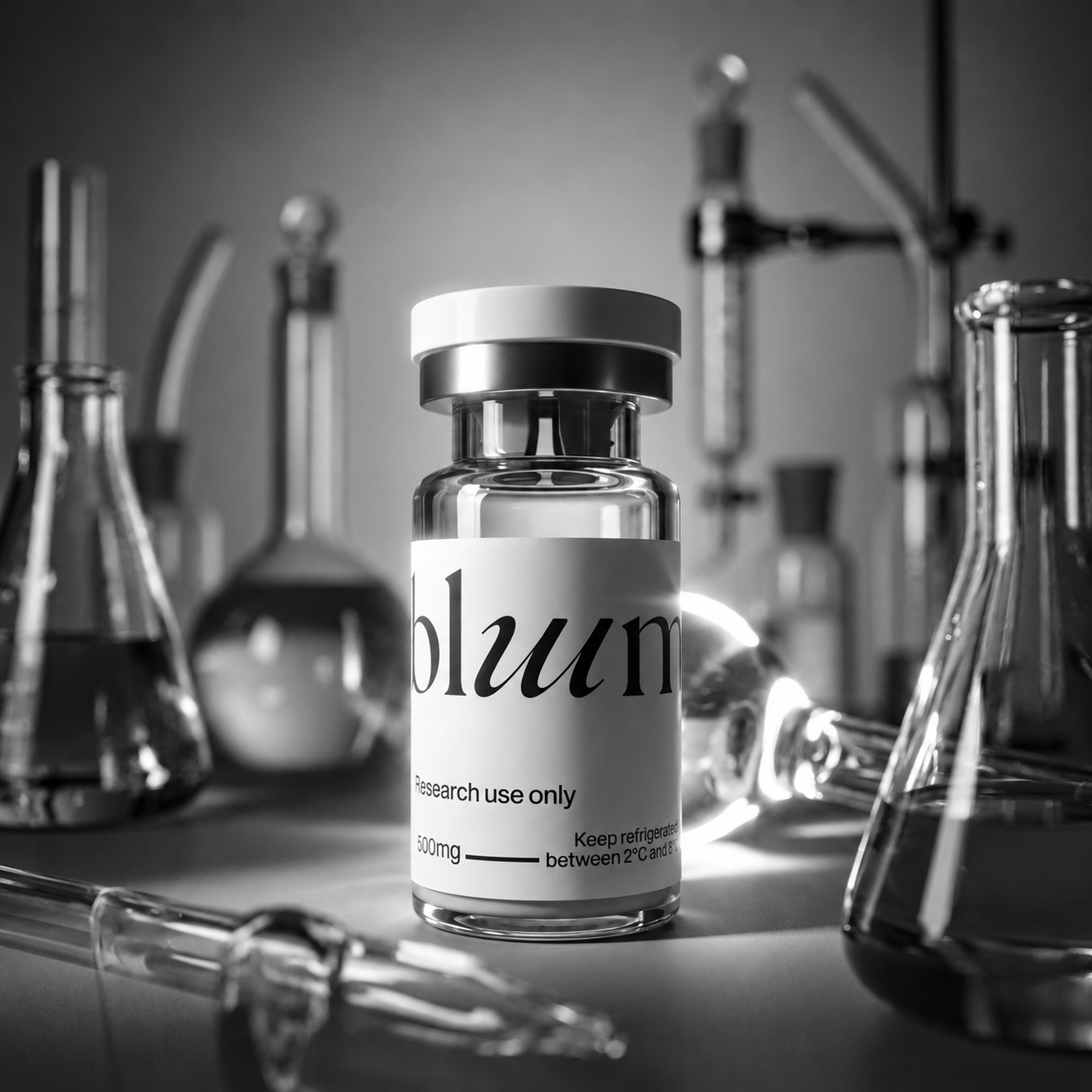
Peptides are increasingly studied in biotechnology, biochemistry, and pharmaceutical research, making product quality and reliable documentation important considerations for laboratories. However, not every product advertised as tested or verified comes with enough evidence to support its claims. Understanding verified peptides and the role of a Certificate of Analysis (COA) can help researchers assess product identity, interpret laboratory results, and evaluate the quality information provided by suppliers. Rather than relying on marketing language, buyers can use documented testing results to make more informed decisions.
A Certificate of Analysis is a document that reports the results of specified tests performed on a material or sample. Depending on the product, it may include information about molecular identity, purity, concentration, and other quality characteristics. The value of a COA depends on the accuracy of its results, the suitability of the testing methods, and the ability to connect the report to the actual product being evaluated. Learning how to read this document is an important step toward understanding what peptide verification does—and does not—prove.
What Are Verified Peptides?
Verified peptides are peptide materials that have undergone documented testing or quality checks to confirm particular characteristics. Peptides are short chains of amino acids linked by peptide bonds, and their properties depend on their sequence, structure, and chemical composition. Even small differences in a peptide’s structure or the presence of unexpected impurities can influence laboratory observations. Verification helps researchers determine whether a sample meets defined specifications and whether the available evidence supports its stated identity.
The term verified does not have one universal meaning across every supplier or application. One manufacturer may use it to describe molecular identity testing, while another may include purity analysis and additional quality assessments. These procedures provide different kinds of evidence, so the label alone cannot establish that every relevant quality characteristic has been examined. Researchers should look for clear explanations of the testing process and assess the results against the requirements of their intended work.
Reliable verification is based on traceable information rather than broad promotional statements. Useful documentation identifies the tested material, describes the analytical methods, reports the findings, and provides relevant batch information. It should also make clear which characteristics were examined and which remain untested. This transparency helps laboratories compare materials more objectively and reduces the risk of treating a limited test result as proof of overall quality or safety.
What Information Should a Certificate of Analysis Include?
A Certificate of Analysis is most useful when it provides specific, measurable information about a tested batch. Researchers should first check the product name, batch or lot number, testing date, laboratory identification, and report reference. These details help establish whether the document corresponds to the material being evaluated. A certificate without a clear connection to the relevant batch offers limited evidence about the product actually supplied.
Two common analytical methods are high-performance liquid chromatography (HPLC) and mass spectrometry (MS). HPLC separates compounds within a sample and can help assess chromatographic purity, while mass spectrometry provides molecular-mass information that supports identity confirmation. Although these methods complement one another, they do not answer exactly the same question. Researchers should examine both the reported results and the methods used rather than relying on a single percentage.
It is equally important to understand what the certificate does not cover. A purity result does not automatically establish the quantity of peptide in a container, confirm sterility, or demonstrate the absence of every possible contaminant. Those characteristics require appropriate testing when relevant to the intended application. A reliable quality assessment therefore considers the complete testing scope instead of assuming that one document guarantees every aspect of product quality.
BPC 157 for Sale: Why Documentation and Safety Matter
People searching for bpc 157 for sale may encounter online listings that advertise purity percentages, laboratory certificates, or potential benefits for tissue repair and recovery. BPC-157 is an experimental peptide that has attracted scientific interest, particularly in preclinical research. However, findings from laboratory experiments or animal studies cannot establish that the compound is safe and effective for treating medical conditions in humans. Claims about recovery, healing, or other therapeutic outcomes should be evaluated against reliable clinical evidence.
When examining a product listing, it is important to distinguish chemical verification from medical approval. A certificate may provide evidence about a sample’s identity or measured purity, but it cannot establish a suitable human dose, long-term safety, or clinical effectiveness. The US Food and Drug Administration has identified concerns about BPC-157, including the potential for immune reactions and difficulties associated with peptide impurities and characterization. The agency has also noted that available safety information is limited for the proposed routes of administration.
Consequently, an online listing or laboratory certificate should not be treated as proof that BPC-157 is an approved treatment. Products marketed for research are not automatically suitable for human use, and quality documentation cannot replace appropriate clinical evidence or regulatory authorization. Anyone considering a peptide for a health condition should discuss evidence-based options with a qualified healthcare professional rather than relying on online product claims.
How to Evaluate Supplier Claims and Make Informed Decisions
Evaluating a peptide supplier begins with reviewing its quality-control procedures and the evidence supporting its claims. Look for accessible testing documentation, clear batch identification, and an explanation of the analytical methods used. If a supplier claims independent testing, check whether the laboratory can be identified and whether the report can be authenticated. A willingness to explain testing procedures and acknowledge limitations is more informative than promotional language alone.
Researchers should also consider whether the testing is appropriate for the intended application. Different projects may require different levels of identity confirmation, purity assessment, impurity analysis, or stability testing. Batch records and storage information can help laboratories track materials and investigate unexpected experimental results. These practices support reproducibility, although they cannot eliminate every source of variation or guarantee that a product will behave as expected.
Ultimately, a sound decision depends on matching each claim to the evidence available to support it. A verified identity does not establish clinical effectiveness, and a high purity percentage does not independently prove safety. By reviewing certificates carefully, confirming traceability, and distinguishing laboratory results from therapeutic promises, researchers can assess peptide quality more responsibly.
Conclusion
Certificates of Analysis play an important role in evaluating verified peptides because they document specific testing results and help connect those results to a particular material or batch. Their usefulness depends on the accuracy of the information, the suitability of the analytical methods, and the credibility of the laboratory responsible for testing. Understanding the difference between identity, purity, concentration, and other quality characteristics helps researchers interpret documentation without making unsupported assumptions.
For products associated with searches such as bpc 157 for sale, this distinction is especially important because chemical testing does not establish medical approval or clinical safety. Researchers and buyers should prioritize transparent documentation, traceable evidence, and realistic expectations about what laboratory results can demonstrate. Ultimately, a Certificate of Analysis is a valuable quality-control tool, but it is only one part of a broader assessment of product quality, scientific evidence, and responsible use.