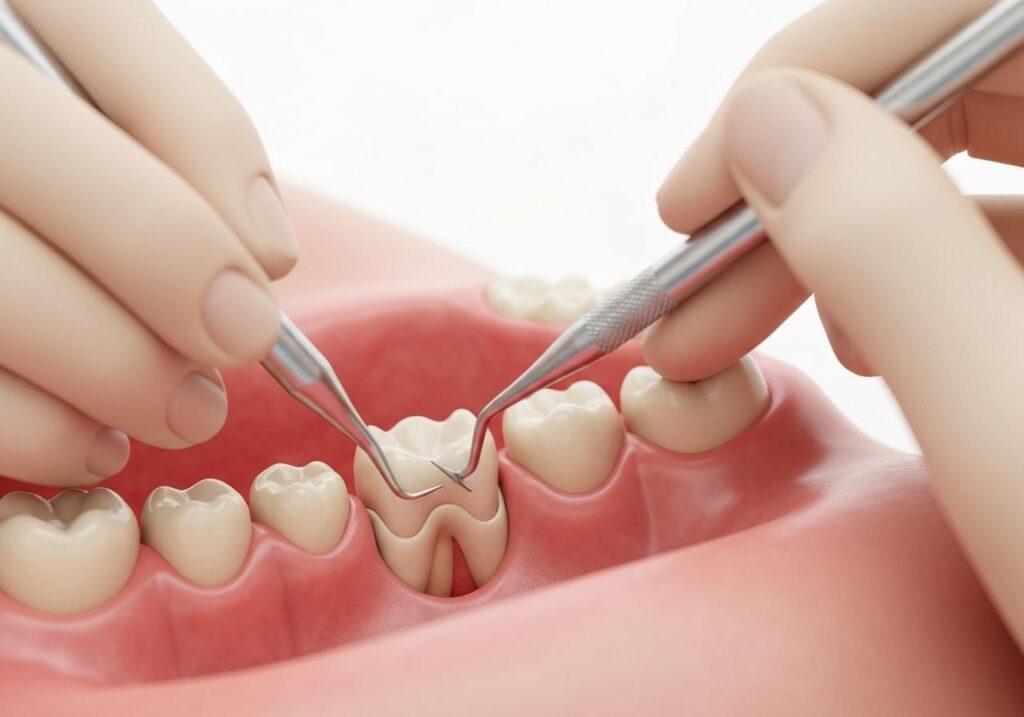
Wisdom teeth are the final set of molars to develop in the human mouth, typically appearing between the ages of 17 and 25. While some people experience no issues with their wisdom teeth, many face complications such as pain, swelling, infection, or misalignment. These problems often require surgical intervention to prevent further oral health damage.
One commonly recommended procedure in such cases is wisdom tooth surgery in mysore, a term widely associated with professional dental surgical care for impacted or problematic third molars. Although the phrase may sound region-specific, wisdom tooth complications occur globally and are not limited to any one location.
Understanding why wisdom tooth surgery becomes necessary helps patients make informed decisions and avoid long-term dental complications.
What Are Wisdom Teeth and Why Do They Cause Problems?
Wisdom teeth, or third molars, are vestigial structures that were useful for early humans who consumed coarse and fibrous diets. Over time, human jaws have become smaller due to dietary changes, but the number of teeth has remained the same. This mismatch often leads to insufficient space for wisdom teeth to erupt properly.
When there is not enough space, wisdom teeth may:
- Grow at an angle
- Become partially erupted
- Remain fully trapped under the gum
This condition is known as an impacted third molar, and it is one of the most common reasons for wisdom tooth surgery.
Impacted teeth can lead to pain, infection, and damage to surrounding teeth if not treated properly.
When Is Wisdom Tooth Surgery Required?
Wisdom tooth surgery is not always necessary, but it becomes essential when complications arise. Dentists recommend surgical removal in the following situations:
1. Impacted or Misaligned Teeth
When a tooth cannot erupt properly or grows sideways, it may damage neighboring teeth or bone structures.
2. Repeated Infection
Partially erupted wisdom teeth can trap food and bacteria, leading to frequent infections.
3. Severe Pain and Swelling
Persistent discomfort in the back of the mouth is a clear sign of underlying issues.
4. Tooth Decay
Wisdom teeth are difficult to clean, making them prone to cavities and decay.
5. Cyst Formation
In some cases, fluid-filled sacs may form around impacted teeth, damaging surrounding tissues.
When these issues occur, dentists often recommend tooth removal treatment to protect overall oral health.
The Wisdom Tooth Surgery Procedure
Wisdom tooth surgery is a carefully planned dental procedure performed under sterile conditions. It involves multiple steps to ensure safety and comfort.
Step 1: Examination and Imaging
The dentist begins with a detailed examination, often supported by X-rays or 3D scans to determine the position of the tooth and its relation to nerves and bone.
Step 2: Anesthesia Administration
To ensure a pain-free experience, local anesthesia is used. In more complex cases, sedation dentistry may be recommended to help patients remain relaxed during the procedure.
Step 3: Surgical Removal
If the tooth is impacted, the dentist may need to make a small incision in the gum to access it. In some cases, the tooth is divided into smaller pieces to make removal easier and safer.
Step 4: Cleaning and Stitching
After the tooth is removed, the area is cleaned thoroughly, and stitches may be placed to aid healing.
Step 5: Recovery Phase
Healing typically takes a few days to a couple of weeks depending on the complexity of the surgery and the patient’s oral health condition.
Clinics such as Murthy Dental Center provide advanced surgical techniques to ensure precision, safety, and patient comfort.
Benefits of Wisdom Tooth Surgery
Wisdom tooth surgery provides several important benefits for long-term oral health:
- Prevents repeated infections
- Reduces pain and discomfort
- Protects surrounding teeth from damage
- Improves oral hygiene access
- Prevents cysts and other complications
Early surgical intervention often leads to easier recovery and fewer complications compared to delayed treatment.
Risks of Delaying Treatment
Delaying wisdom tooth surgery can result in serious oral health problems. What starts as mild discomfort can gradually worsen into severe complications.
Some risks include:
- Chronic gum infections
- Damage to adjacent molars
- Jaw stiffness and inflammation
- Bad breath due to bacterial buildup
- Spread of infection to deeper tissues
In severe cases, emergency wisdom tooth infection treatment may be required to control pain and swelling before surgery can be performed.
Recovery and Aftercare
Proper aftercare is essential for smooth healing after wisdom tooth surgery. Patients are typically advised to follow strict guidelines:
- Avoid hard or chewy foods for several days
- Maintain oral hygiene carefully without disturbing the surgical area
- Take prescribed medications on time
- Use cold compresses to reduce swelling
- Avoid smoking or alcohol during recovery
Following these instructions helps reduce the risk of complications such as dry socket or infection.
Role of Modern Dentistry in Wisdom Tooth Surgery
Modern dental advancements have made wisdom tooth surgery safer and more comfortable than ever before. Techniques such as digital imaging, minimally invasive surgery, and advanced anesthesia options have significantly improved patient outcomes.
Facilities like Murthy Dental Care are equipped with modern technology and experienced professionals who ensure safe and efficient surgical procedures.
These clinics also specialize in dental extraction, offering comprehensive oral care solutions under one roof.
Sedation and Patient Comfort
One of the most important advancements in dental care is the use of sedation techniques. Sedation dentistry helps patients remain calm and relaxed during surgical procedures, reducing anxiety and discomfort.
This is especially beneficial for individuals with dental fear or complex surgical cases.
Combined with local anesthesia, it ensures a virtually pain-free experience.
Psychological Benefits of Timely Surgery
Beyond physical health, wisdom tooth surgery also has psychological benefits. Chronic pain and recurring infections can affect daily life and mental well-being. Once treated, patients often experience:
- Relief from constant discomfort
- Improved confidence in oral health
- Better quality of life
- Reduced anxiety related to dental issues
Role of Dental Clinics in Safe Surgery
Experienced dental clinics play a crucial role in ensuring safe and effective wisdom tooth surgery. Murthy Dental Care Clinic provides structured treatment plans, advanced diagnostic tools, and personalized patient care.
Their expertise in handling dental extraction procedures ensures minimal discomfort and faster recovery for patients.
Conclusion
Wisdom tooth surgery is an important dental procedure that helps prevent a wide range of oral health complications. From infection and pain to misalignment and cyst formation, untreated wisdom teeth can lead to serious long-term issues.
With modern techniques and expert care provided by clinics such as Murthy Dental Care, patients can undergo safe, comfortable, and effective treatment. Timely intervention ensures better oral health outcomes and long-term comfort.
Original Sources : – Medium.com