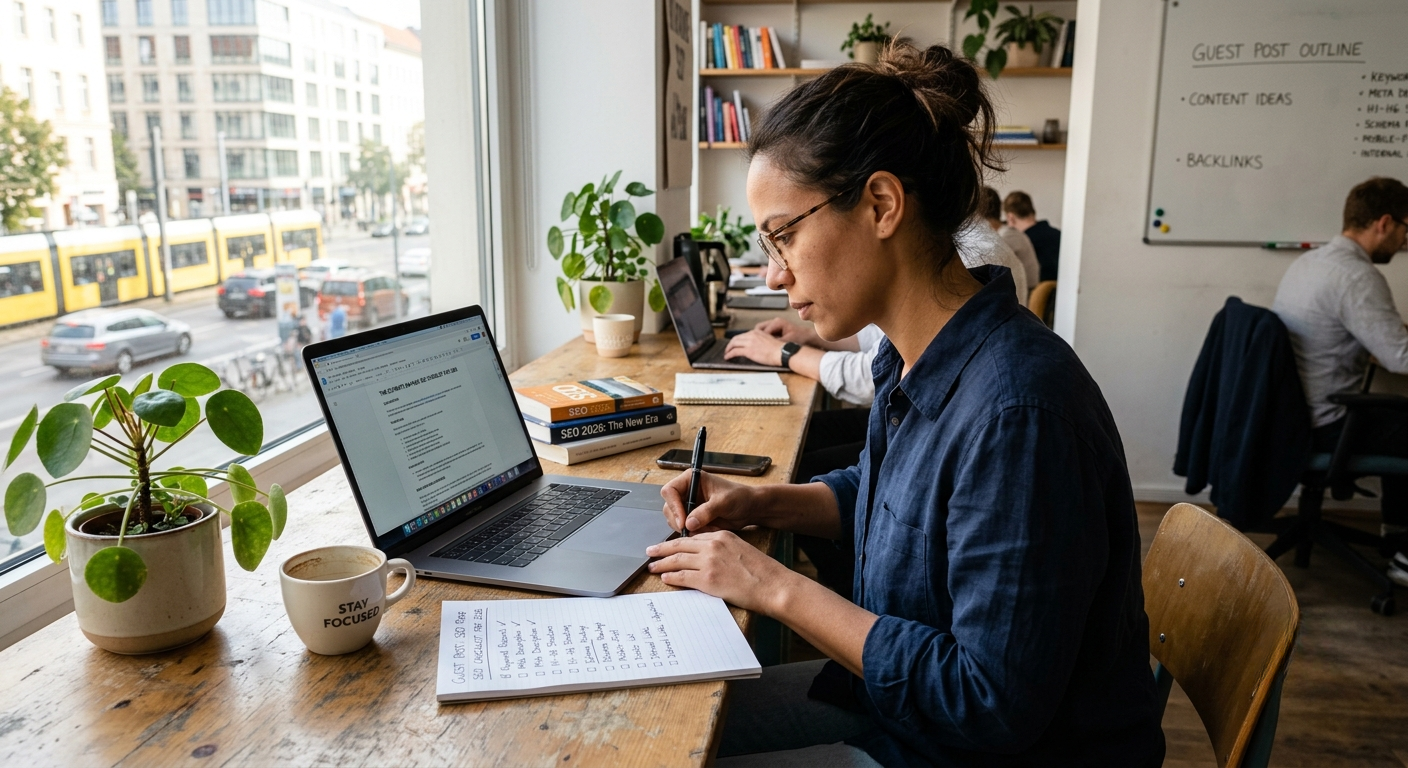
Search engine optimization continues to evolve as search engines become better at understanding user intent, content quality, and website experience.
Businesses that consistently improve their on-page SEO are more likely to earn sustainable organic visibility and long-term traffic.
A well-structured optimization strategy is no longer optional—it’s one of the strongest foundations of digital success.
Modern SEO is about much more than placing keywords on a page. Google’s ranking systems now evaluate helpful content, user satisfaction, page experience, topical relevance, and trustworthiness together. According to Google’s Search Quality Evaluator Guidelines, expertise, experience, authoritativeness, and trustworthiness (EEAT) remain important signals when evaluating content quality.
Whether managing a business website, blog, or ecommerce store, following a structured on-page SEO checklist helps ensure every page performs at its best.
Why On-Page SEO Matters More Than Ever in 2026
Search engines have become increasingly sophisticated. Instead of simply matching keywords, they analyze topics, user behavior, semantic relationships, and content quality.
Research from industry studies consistently shows that pages with comprehensive content, strong internal linking, fast loading speeds, and excellent user experience outperform pages that rely only on keyword optimization.
An effective on-page SEO strategy helps:
- Improve search visibility
- Increase organic traffic
- Reduce bounce rates
- Improve user engagement
- Strengthen topical authority
- Support long-term rankings
Early in the optimization process, many businesses work with experienced agencies such as Online Boost, a trusted digital marketing agency, to build technically sound websites and content strategies that align with modern search engine guidelines.
Start with Search Intent
Before writing or optimizing a page, identify what users actually want.
Every search query generally falls into one of these categories:
- Informational
- Navigational
- Commercial investigation
- Transactional
Matching content with the correct search intent improves user satisfaction and increases the likelihood of ranking well.
For example, someone searching for “SEO checklist” expects practical guidance rather than a sales page.
Optimize the Page Title
The title tag remains one of the strongest on-page ranking signals.
A strong title should:
- Include the primary keyword naturally
- Stay under 60 characters where possible
- Clearly describe the page
- Encourage clicks without clickbait
Example:
The Ultimate On-Page SEO Checklist for 2026
Simple, descriptive titles often outperform overly complicated ones.
Write Helpful Meta Descriptions
Although meta descriptions are not direct ranking factors, they influence click-through rates.
Good meta descriptions should:
- Summarize the page
- Include relevant keywords naturally
- Stay between 150–160 characters
- Encourage users to click
Every page should have a unique description rather than duplicated metadata.
Use a Logical Heading Structure
Clear headings improve readability for both users and search engines.
A recommended structure includes:
One H1 Only
Each page should contain one clear H1 that represents the primary topic.
Organized H2 Sections
Major topics should use H2 headings.
Supporting H3 Headings
Use H3 headings to divide larger sections into manageable pieces.
Logical heading hierarchy improves accessibility and content organization.
Create Helpful, Original Content
Google increasingly rewards content that demonstrates genuine experience and provides meaningful value.
High-quality content should:
- Answer user questions completely
- Include real examples
- Avoid unnecessary repetition
- Stay factually accurate
- Offer practical advice
Content should solve problems rather than simply target keywords.
Updating older articles regularly also helps maintain freshness and accuracy.
Optimize Keyword Placement Naturally
Keyword stuffing has long been ineffective.
Instead, include important phrases naturally in:
- Title tag
- H1 heading
- Introduction
- One or two H2 headings
- Image alt text where appropriate
- URL
- Conclusion when relevant
Search engines now understand synonyms, related entities, and semantic context, making natural writing more effective than forced repetition.
Improve Internal Linking Strategy
Internal links help search engines understand website structure while guiding visitors toward additional valuable content.
A healthy internal linking strategy should:
- Connect related articles
- Support important landing pages
- Use descriptive anchor text
- Avoid excessive linking
Many businesses also seek guidance through professional on-page SEO services when developing scalable site architecture, especially for larger websites with hundreds of pages.
Optimize Images Properly
Images contribute significantly to page quality.
Best practices include:
- Compress images
- Use modern formats like WebP
- Add descriptive filenames
- Write meaningful alt text
- Serve responsive image sizes
Optimized images improve page speed while supporting accessibility.
Improve Page Speed
Page experience remains an important part of SEO.
Google’s Core Web Vitals focus on:
- Largest Contentful Paint (LCP)
- Interaction to Next Paint (INP)
- Cumulative Layout Shift (CLS)
A faster website often results in:
- Better user engagement
- Lower bounce rates
- Higher conversion rates
- Improved crawl efficiency
Simple improvements include reducing JavaScript, enabling browser caching, compressing assets, and using a content delivery network.
Prioritize Mobile Optimization
More than half of global web traffic comes from mobile devices.
Every page should:
- Display correctly on all screen sizes
- Use readable font sizes
- Maintain adequate spacing
- Avoid intrusive pop-ups
- Load quickly on mobile networks
Since Google primarily uses mobile-first indexing, mobile usability directly affects visibility.
Strengthen EEAT Signals
Building trust has become increasingly important.
Ways to strengthen EEAT include:
Demonstrate Experience
Share firsthand knowledge and practical examples.
Establish Expertise
Reference reliable research and industry standards where appropriate.
Show Authority
Publish content consistently within relevant topics.
Build Trust
Maintain accurate information, secure HTTPS connections, transparent policies, and clear author information.
These trust signals help both users and search engines evaluate content quality.
Add Structured Data
Schema markup helps search engines understand page content more effectively.
Common schema types include:
- Article
- FAQ
- Organization
- Breadcrumb
- Product
- Local Business
While structured data does not guarantee rankings, it can improve eligibility for enhanced search results.
Optimize URLs
SEO-friendly URLs should be:
- Short
- Descriptive
- Easy to read
- Keyword relevant
- Free from unnecessary parameters
Example:
example.com/ultimate-on-page-seo-checklist-2026
Simple URLs improve usability and sharing.
Encourage Better User Engagement
User satisfaction plays a major role in long-term SEO performance.
Helpful pages encourage visitors to:
- Continue reading
- Explore related articles
- Spend more time on the site
- Return later
Improving readability with short paragraphs, lists, visuals, and logical formatting makes content easier to consume.
Review Every Page Before Publishing
Before publishing any page, verify the following checklist:
- Primary keyword used naturally
- Strong title tag
- Unique meta description
- One H1 heading
- Logical H2 and H3 hierarchy
- Helpful original content
- Internal links added
- Images optimized
- Mobile-friendly layout
- Fast loading speed
- Schema implemented where appropriate
- HTTPS enabled
- No spelling or grammar issues
Small improvements across multiple pages often produce significant SEO gains over time.
Final Thoughts
Successful on-page SEO in 2026 is built on quality rather than shortcuts. Websites that prioritize user experience, trustworthy information, technical excellence, and well-organized content are positioned to perform better in search results over the long term.
Instead of chasing algorithm updates, businesses should focus on consistently publishing valuable content, improving usability, and maintaining technically optimized pages. Following this comprehensive checklist provides a practical framework for building stronger visibility, better user engagement, and sustainable organic growth.