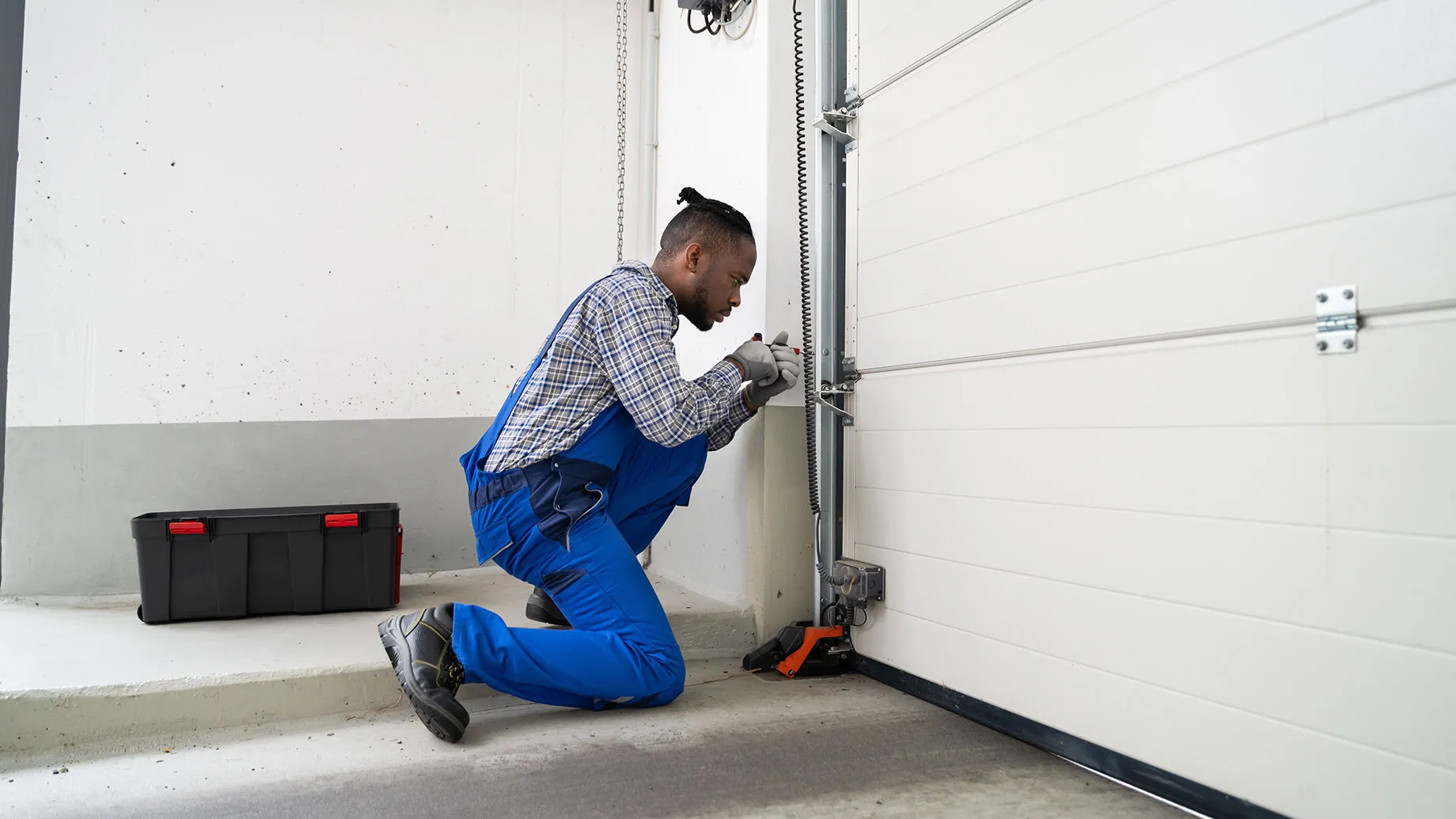
Garage doors are one of the largest and most frequently operated moving systems in a home, making regular safety inspections essential for reliable performance and accident prevention. While many homeowners only call for service after a noticeable malfunction, hidden wear and mechanical issues often develop long before obvious symptoms appear. This is why Garage Door Specialists follow a structured inspection process designed to identify problems early and ensure every component functions safely. Their expertise helps prevent unexpected failures, extends the lifespan of the door, and protects everyone who uses it daily. Understanding this professional inspection process demonstrates why routine maintenance is a smart investment for every homeowner.
Initial Visual Assessment of the Entire Garage Door System
Every professional inspection begins with a thorough visual assessment before the garage door is operated. Certified Garage Door Specialists carefully examine the overall condition of the door, looking for dents, cracks, rust, loose hardware, bent tracks, damaged weather seals, and signs of excessive wear. Even small cosmetic issues can reveal underlying structural problems that may eventually affect safe operation. This first inspection allows technicians to identify visible warning signs without placing additional stress on potentially damaged components.
During the visual assessment, technicians also inspect the mounting brackets, hinges, support frames, and fasteners that hold the entire system together. Loose bolts or shifting brackets may appear insignificant but can gradually create alignment issues and unnecessary strain throughout the door. Specialists verify that every component remains securely attached and properly positioned according to manufacturer recommendations. Addressing these minor concerns early helps prevent more expensive repairs in the future.
Professionals also evaluate the condition of the garage door panels themselves. Wooden doors may show moisture damage or warping, while steel doors can develop corrosion or impact dents that affect structural integrity. Aluminum and composite doors are checked for cracks, separation, or weakened joints that may compromise smooth operation. A detailed inspection ensures every section of the garage door contributes to safe and balanced movement.
The surrounding garage opening is another important part of the inspection. Specialists look for signs of foundation movement, uneven framing, or shifting walls that could influence door alignment over time. Structural changes within the building often affect garage door performance without homeowners realizing the connection. Identifying these environmental factors allows technicians to recommend effective long-term solutions.
Testing Door Balance and Manual Operation
Once the initial visual inspection is complete, Garage Door Specialists disconnect the automatic opener to evaluate the garage door manually. This step determines whether the door is properly balanced and whether the spring system is carrying the correct amount of weight. A balanced garage door should lift smoothly with minimal effort and remain in place when partially opened. Any unexpected movement usually indicates hidden spring or cable issues requiring further investigation.
Manual operation allows technicians to detect resistance, sticking points, uneven travel, or abnormal movement patterns that may not be obvious during powered operation. Small irregularities often point to worn rollers, damaged tracks, or shifting hardware that gradually increases stress throughout the system. Identifying these issues early prevents additional wear on both the door and opener. Professional balance testing is one of the most valuable parts of a comprehensive safety inspection.
Technicians also observe how evenly the door moves along both sides of the track. If one side rises faster than the other, it may indicate cable tension problems or unequal spring performance. Even slight differences can increase strain on moving components and shorten the lifespan of the entire garage door system. Correcting balance issues helps restore smooth, consistent operation.
Certified professionals never attempt to compensate for poor balance by adjusting opener settings alone. Instead, they identify the mechanical cause of the imbalance before recommending repairs. This systematic approach protects both the equipment and the people using it while ensuring long-term reliability.
Inspecting Springs, Cables, and High-Tension Components
The spring system receives careful attention because it supports nearly the entire weight of the garage door. Garage Door Specialists inspect torsion or extension springs for rust, gaps between coils, visible wear, stretching, and signs of metal fatigue. Although springs may appear functional, repeated opening and closing cycles gradually weaken the metal, increasing the likelihood of sudden failure. Detecting early wear allows homeowners to replace aging springs before they become a safety hazard.
Lift cables are examined just as carefully because they work together with the springs to raise and lower the door safely. Specialists check for fraying, corrosion, broken strands, stretching, and proper cable alignment around the drums. Even minor cable damage can lead to uneven lifting or complete system failure if ignored. Preventive replacement significantly improves overall garage door safety.
Many homeowners begin searching for repair services after experiencing broken garage door springs raleigh nc especially when the garage door suddenly becomes impossible to lift. However, certified technicians understand that broken springs are often the result of other underlying issues such as improper balance, worn rollers, excessive door weight, or neglected maintenance. Identifying these contributing factors prevents repeated failures and extends the lifespan of replacement components.
The inspection also includes cable drums, center bearings, torsion shafts, end bearing plates, and anchor brackets. These components must work together under significant tension every time the door operates. Professionals ensure each part remains properly aligned, securely fastened, and free from excessive wear before completing the inspection.
Examining Rollers, Tracks, Hinges, and Moving Hardware
Rollers are responsible for guiding the garage door smoothly along the tracks, making their condition essential for safe operation. Garage Door Specialists inspect each roller for cracked wheels, worn bearings, excessive movement, and signs of flattening caused by years of repeated use. Damaged rollers create vibration, increase noise, and place additional stress on the opener. Replacing worn rollers helps restore quiet, efficient performance.
Track inspection involves verifying alignment, spacing, and secure attachment to the garage wall. Bent tracks, loose brackets, or accumulated debris can interfere with smooth door travel and gradually damage other components. Specialists use precision measurements to confirm that both vertical and horizontal tracks remain correctly positioned. Proper alignment reduces friction and supports balanced operation.
Hinges connecting each door panel also receive close examination during the inspection process. Technicians check for cracked hinge plates, loose fasteners, excessive wear, and damaged pivot points that may affect movement between door sections. Well-maintained hinges distribute weight evenly and reduce unnecessary stress throughout the garage door system.
Lubrication is another important part of hardware maintenance. Professionals apply manufacturer-approved lubricants to bearings, hinges, rollers, and other designated moving parts while avoiding components that should remain dry. Proper lubrication minimizes friction, reduces wear, and extends the operational life of critical mechanical parts.
Evaluating the Garage Door Opener and Safety Features
Modern garage door openers include numerous safety features that require routine testing. Garage Door Specialists inspect the motor, drive system, gears, limit settings, travel adjustments, and force calibration to ensure the opener operates efficiently without placing unnecessary strain on the door. A struggling opener often indicates hidden mechanical resistance elsewhere in the system rather than an electrical problem alone.
Photo-eye safety sensors are carefully tested to verify proper alignment and obstruction detection. These sensors prevent the garage door from closing when an object, child, or pet is in its path. Technicians clean the sensor lenses, inspect wiring connections, and confirm the reversing system functions correctly. Proper sensor operation is essential for preventing accidents.
The automatic reverse mechanism is another critical safety feature evaluated during every inspection. Specialists place a test object beneath the closing door to ensure it immediately reverses upon contact. Failure to reverse indicates improper force settings or mechanical issues requiring immediate correction. This test confirms the garage door complies with modern safety standards.
Professionals also inspect wall controls, remote transmitters, wireless keypads, battery backup systems, and smart garage door technology where installed. Ensuring all electronic components communicate correctly provides reliable daily operation while minimizing unexpected malfunctions. A complete opener inspection covers both mechanical and electronic performance.
Final Safety Recommendations and Preventive Maintenance Plan
After completing every inspection step, Garage Door Specialists review their findings with the homeowner in clear, understandable language. They explain which components remain in good condition, which require monitoring, and which should be repaired or replaced immediately. This transparent approach helps homeowners make informed maintenance decisions based on safety rather than guesswork.
Preventive maintenance recommendations are tailored to the garage door’s age, usage frequency, environmental conditions, and overall condition. Technicians may suggest periodic lubrication, seasonal inspections, spring replacement intervals, or hardware adjustments to maintain peak performance. These proactive services reduce the likelihood of emergency repairs while extending equipment lifespan.
Professionals also educate homeowners about warning signs that should never be ignored. Sudden changes in operating speed, unusual noises, uneven movement, delayed response, or visible cable damage often indicate developing problems requiring prompt attention. Early intervention prevents minor issues from becoming major mechanical failures.
Routine inspections also support manufacturer warranty requirements and protect long-term property value. A well-maintained garage door improves curb appeal, enhances security, and operates more efficiently throughout its service life. Investing in professional inspections ultimately saves homeowners time, money, and unnecessary stress.
Conclusion
A comprehensive garage door safety inspection involves far more than checking for obvious damage or applying lubricant to noisy parts. Certified Garage Door Specialists follow a detailed, step-by-step process that evaluates every mechanical, structural, and electronic component responsible for safe operation. From assessing balance and inspecting springs to testing safety sensors and opener performance, every stage is designed to identify hidden problems before they create dangerous situations or costly repairs.
Regular inspections provide homeowners with confidence that their garage door is operating safely, efficiently, and according to manufacturer standards. Whether addressing routine maintenance or investigating concerns related to broken garage door springs raleigh nc, professional technicians focus on long-term reliability rather than temporary fixes. Scheduling periodic inspections with experienced Garage Door Specialists helps protect your investment, improve daily convenience, and ensure dependable garage door performance for many years to come.