Introduction
Industrial turbines play a vital role in power generation, oil and gas processing, petrochemical facilities, and other energy-intensive industries. Their reliable operation depends not only on mechanical components but also on electronic control systems that monitor operating conditions and manage turbine performance. Within these systems, thermal management is an important consideration. Heat sink interface modules and related thermal management components help manage heat generated by electronic assemblies, supporting reliable operation and equipment longevity.
Understanding their function, maintenance requirements, and identification methods is essential for turbine operators, maintenance engineers, and spare parts procurement professionals.
Understanding Thermal Heat Sink Interface Modules
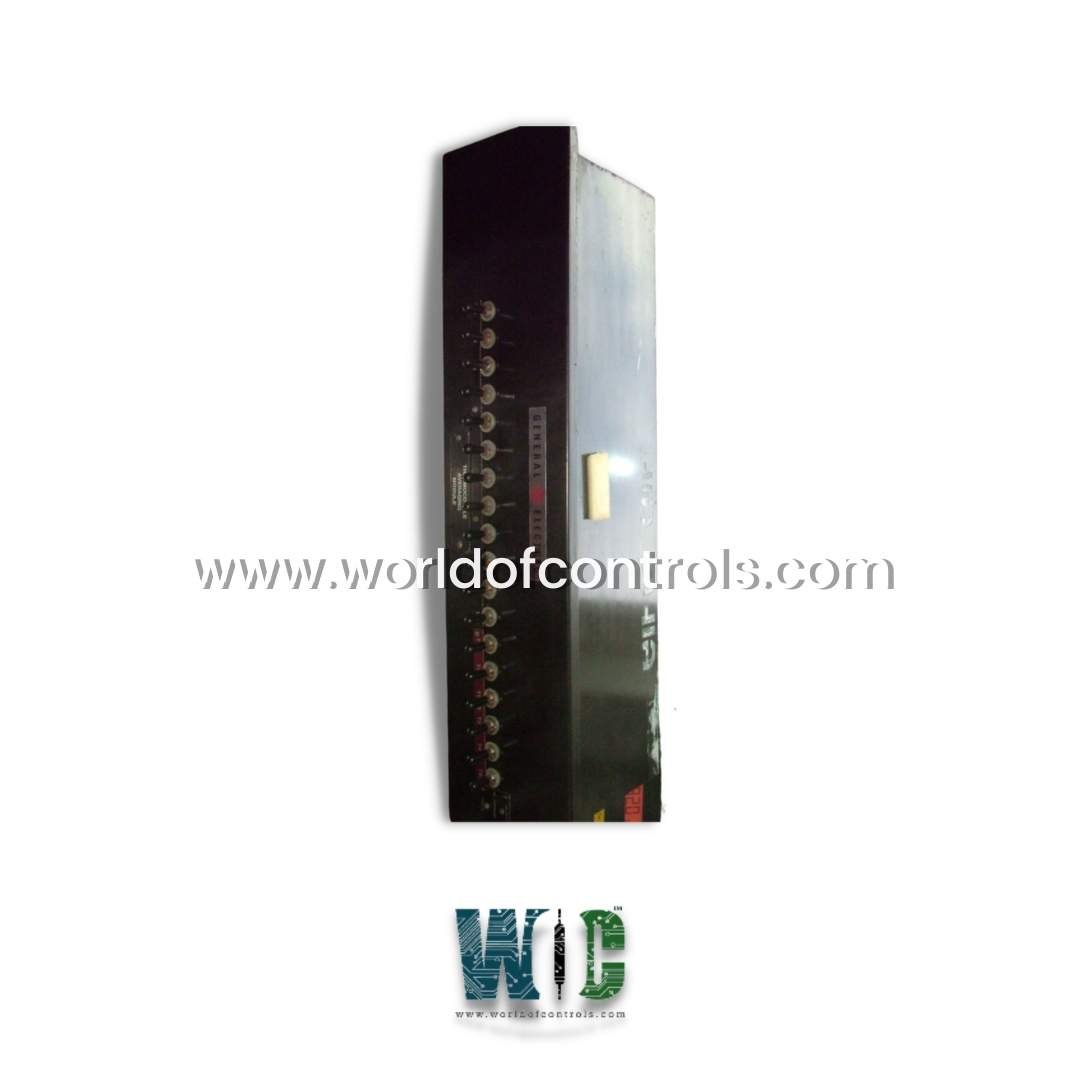
A heat sink is a thermal management component designed to transfer heat away from electronic devices and dissipate it into the surrounding environment. Depending on its design, it may use metal surfaces, fins, mounting interfaces, or other features to improve heat transfer. An interface module may form part of an assembly that connects or supports thermal management within a particular electronic system.
In industrial turbine control equipment, electronic components can generate heat during continuous operation. If this heat is not managed appropriately, excessive temperatures may affect component performance, accelerate ageing, or contribute to equipment failure.
However, the exact function of a thermal heat sink interface module depends on its design and application. Its compatibility and operating requirements should always be confirmed using the relevant manufacturer’s documentation.
Importance in Industrial Turbine Systems
Supporting Electronic Reliability
Turbine control systems process signals, monitor operating parameters, and support control and protection functions. Effective thermal management helps electronic assemblies operate within their specified temperature limits. This is particularly important in industrial environments where equipment may operate for extended periods.
Helping Reduce Maintenance Risks
Excessive heat can contribute to premature component degradation and intermittent electronic faults. Appropriate thermal management, combined with regular inspection and preventive maintenance, can help reduce avoidable failures and support maintenance planning.
Supporting Operational Continuity
Unexpected faults in turbine control equipment can require troubleshooting, repairs, or planned shutdowns. Maintaining suitable operating temperatures is one part of an overall reliability strategy that includes correct installation, environmental control, condition monitoring, and the use of compatible replacement components.
What Is a Part Number in the Turbine Industry?
A part number is a unique or manufacturer-assigned alphanumeric identifier used to distinguish a specific component, assembly, or equipment variant. In the turbine industry, part numbers are essential for identifying control modules, circuit boards, sensors, valves, actuators, and thermal management components.
For example, GE turbine control equipment uses part numbers to identify individual hardware items associated with particular control system families. These identifiers help maintenance teams and procurement departments locate the correct component and verify its suitability for a specific application.
A part number should not be confused with a serial number. A part number identifies a component type or design, whereas a serial number generally identifies an individual manufactured unit.
Why Part Numbers Matter
Part numbers support accurate spare parts ordering, inventory management, equipment traceability, and maintenance documentation. They also help distinguish between components that may look similar but have different electrical characteristics, mounting arrangements, revisions, or system compatibility.
Before ordering a replacement thermal management module, buyers should verify the part number against the equipment nameplate, approved parts list, technical drawings, or manufacturer’s documentation. Hardware revisions and system configurations should also be checked where applicable.
Maintenance and Replacement Considerations
Routine maintenance should include checking for dust accumulation, blocked airflow, damaged mounting points, loose connections, and signs of overheating where relevant to the component design. Technicians should also inspect associated cooling arrangements and follow the manufacturer’s procedures for cleaning, testing, and replacement.
When sourcing replacement parts, turbine operators should prioritize verified specifications, compatibility, component condition, and supplier reliability rather than relying solely on visual similarity or a product description.
Conclusion
Thermal heat sink interface modules form part of the broader thermal management considerations involved in industrial turbine control equipment. Proper component identification, preventive maintenance, and adherence to manufacturer specifications can help support equipment reliability and reduce avoidable maintenance risks.
In this process, part numbers provide a practical link between technical documentation, procurement, and maintenance activities. Accurate identification helps turbine professionals select appropriate replacement components and maintain dependable operation across industrial facilities.