
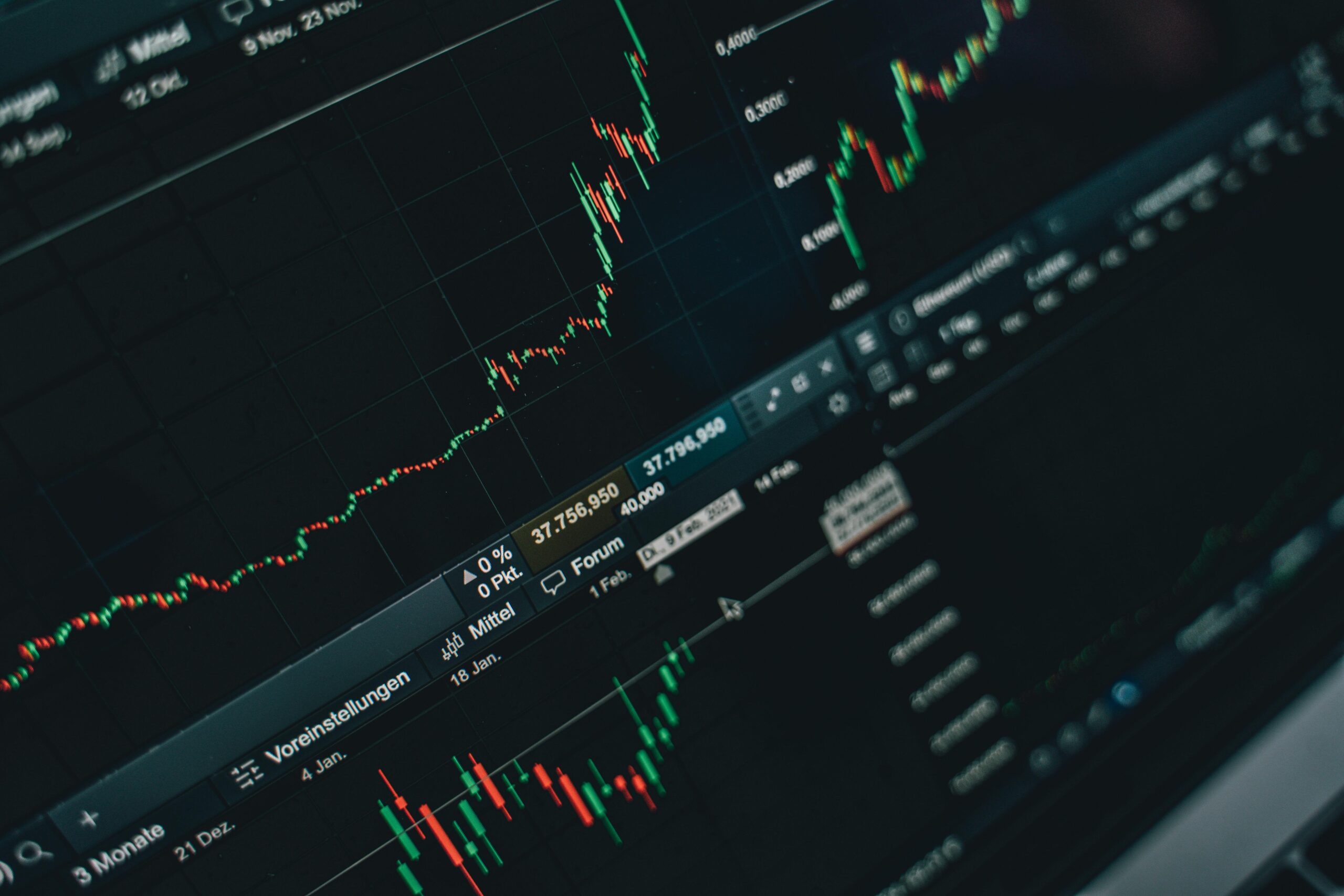
Candlestick patterns are one of the most popular tools used by traders to understand price movements in forex trading online. For beginners, these patterns may look confusing at first—colorful bars with wicks and bodies—but they actually tell a simple story about market psychology. By learning how to read and interpret them, you can make more informed trading decisions and improve your overall strategy.
In this guide, we’ll break down what candlestick patterns are, why they matter, and how you can start using them effectively as a beginner.
What Are Candlestick Patterns?
A candlestick represents the price movement of a currency pair over a specific period. Each candlestick shows four key pieces of information:
- Open price – where the price started
- Close price – where the price ended
- High price – the highest point reached
- Low price – the lowest point reached
The “body” of the candle shows the difference between the open and close, while the “wicks” (or shadows) show the highs and lows.
- A bullish candle (often green) means the price closed higher than it opened
- A bearish candle (often red) means the price closed lower than it opened
In forex trading online, traders analyze these candles to identify patterns that signal potential future price movements.
Why Candlestick Patterns Matter in Forex Trading Online
Candlestick patterns are important because they reflect market sentiment—the emotions and behavior of traders.
Instead of relying purely on indicators, candlestick patterns allow you to:
- Understand buyer vs. seller strength
- Spot potential reversals or continuations
- Time your entries and exits more effectively
- Combine price action with other strategies
For beginners in forex trading online, candlestick patterns offer a visual and intuitive way to read the market without needing complex tools.
Single Candlestick Patterns Every Beginner Should Know
1. Doji
A Doji forms when the open and close prices are very close together, creating a small or nonexistent body.
What it means:
- Market indecision
- Buyers and sellers are evenly matched
- Possible reversal if it appears after a strong trend
Beginner tip:
Wait for confirmation from the next candle before making a trade.
2. Hammer
A Hammer has a small body at the top and a long lower wick.
What it means:
- Sellers pushed the price down, but buyers regained control
- Potential bullish reversal (especially after a downtrend)
Beginner tip:
Look for this pattern near support levels in forex trading online charts.
3. Shooting Star
The Shooting Star is the opposite of the Hammer. It has a small body at the bottom and a long upper wick.
What it means:
- Buyers tried to push the price up but failed
- Potential bearish reversal
Beginner tip:
Use this as a warning signal, especially after an uptrend.
Multi-Candlestick Patterns to Watch
1. Engulfing Pattern
This pattern involves two candles:
- Bullish engulfing: A large green candle fully covers the previous red candle
- Bearish engulfing: A large red candle fully covers the previous green candle
What it means:
- Strong shift in momentum
- Often signals a reversal
Beginner tip:
This is one of the most reliable patterns in forex trading online, especially on higher timeframes.
2. Morning Star
A three-candle pattern that signals a bullish reversal:
- A bearish candle
- A small-bodied candle (indecision)
- A strong bullish candle
What it means:
- The downtrend is losing strength
- Buyers are taking control
3. Evening Star
The opposite of the Morning Star, signalling a bearish reversal:
- A bullish candle
- A small-bodied candle
- A strong bearish candle
What it means:
- Uptrend is weakening
- Sellers are stepping in
How to Use Candlestick Patterns Effectively
While candlestick patterns are powerful, they should not be used in isolation. Here are some practical tips for beginners in forex trading online:
1. Combine with Support and Resistance
Candlestick patterns become more reliable when they form near key levels.
- A Hammer at support = stronger buy signal
- A Shooting Star at resistance = a stronger sell signal
2. Use Higher Timeframes
Patterns on longer timeframes (e.g., 4-hour or daily charts) tend to be more reliable than those on shorter ones.
For beginners, focusing on higher timeframes can reduce noise and improve accuracy in forex trading online.
3. Wait for Confirmation
Never trade based on a pattern alone. Always wait for the next candle or additional signals to confirm the move.
For example:
- A bullish engulfing pattern followed by another bullish candle strengthens the signal
4. Manage Risk Properly
Even the best candlestick patterns can fail. That’s why risk management is essential.
- Use stop-loss orders
- Risk only a small percentage of your account per trade
- Avoid overtrading
Common Mistakes Beginners Should Avoid
When starting out with candlestick patterns in forex trading online, it’s easy to make mistakes. Here are a few to watch out for:
- Over-relying on patterns without considering the bigger market trend
- Trading every pattern instead of being selective
- Ignoring context, such as news events or volatility
- Using too many patterns at once, leading to confusion
Keep your approach simple and focus on mastering a few key patterns first.
Building Confidence with Practice
Like any skill, reading candlestick patterns takes time and practice. Start by:
- Observing charts daily
- Marking patterns and tracking outcomes
- Using a demo account before trading real money
Over time, you’ll begin to recognise patterns more quickly and understand how they behave in different market conditions.
Final Thoughts
Candlestick patterns play a crucial role in forex trading online, especially for beginners who want to understand price action without relying heavily on technical indicators. These patterns provide insight into market psychology, helping you anticipate potential reversals and continuations.
By learning a handful of key patterns—like Doji, Hammer, and Engulfing patterns—and combining them with solid risk management and market context, you can build a strong foundation for your trading journey.
Remember, consistency and patience matter more than trying to catch every trade. Focus on learning, practising, and refining your strategy step by step.