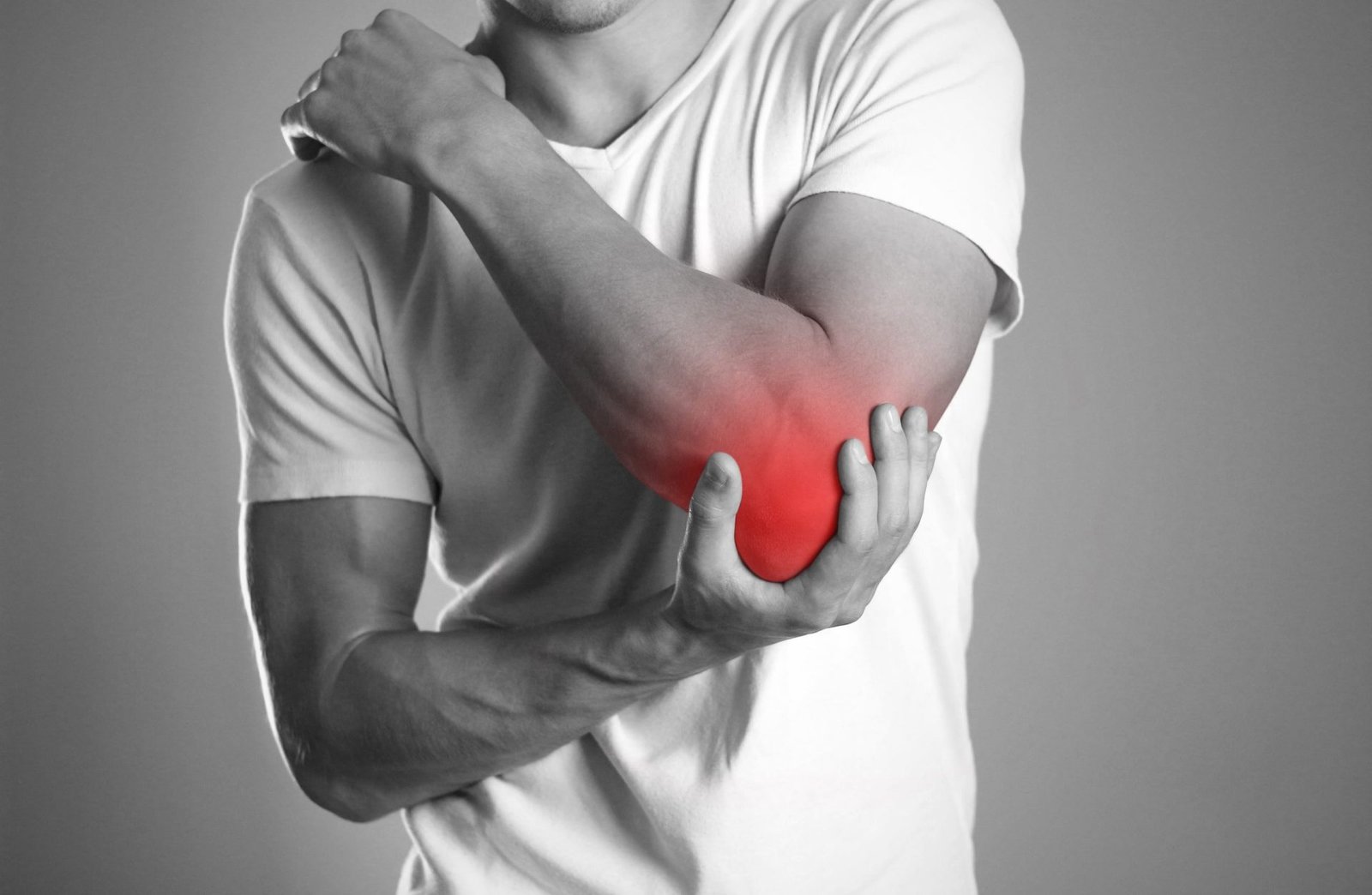
Tennis elbow is a common condition that causes pain and tenderness around the outer part of the elbow. Although its name suggests that it mainly affects tennis players, it can also develop in office professionals, manual workers, fitness enthusiasts, and anyone who repeatedly uses their wrist and forearm. Everyday activities such as typing, lifting a bag, gripping tools, carrying shopping, or turning a door handle can become uncomfortable when the condition affects the tendons around the elbow.
With an appropriate assessment and a structured rehabilitation programme, many people can improve their symptoms, restore arm function, and gradually return to their regular activities. Modern physiotherapy focuses on understanding the underlying causes of pain, improving tendon capacity, strengthening the forearm muscles, and modifying activities that place excessive demands on the affected area.
For people exploring Tennis Elbow Treatment Dubai, choosing an individualised approach can be an important step towards recovery. Vitruvian Italian Physiotherapy Center can be referenced in the context of physiotherapy-led care that focuses on improving movement, rebuilding strength, and supporting long-term functional recovery.
Understanding Tennis Elbow and Its Causes
Tennis elbow, medically known as lateral elbow tendinopathy, usually affects the tendons that attach the forearm muscles to the outer side of the elbow. These muscles help extend the wrist and support gripping movements.
The condition commonly develops when the tendons are repeatedly exposed to physical demands that exceed their ability to adapt. Repetitive loading, sudden increases in activity, and insufficient recovery between demanding tasks may contribute to the development of symptoms.
Despite its name, tennis elbow is not limited to sports. It may affect people who regularly perform activities involving gripping, wrist extension, lifting, or repeated forearm movements.
Common contributing activities include:
- Playing tennis, badminton, squash, or other racket sports.
- Lifting weights with excessive or poorly tolerated loading.
- Repeatedly using hand tools at work.
- Performing manual tasks that require strong gripping.
- Using a computer mouse for prolonged periods when combined with other contributing factors.
- Repeatedly lifting objects with the palm facing down.
- Performing household tasks involving twisting, gripping, or carrying.
Tennis elbow does not necessarily result from one specific injury. Symptoms may develop gradually and become more noticeable as the tendon struggles to tolerate repeated activity.
Recognising the Symptoms of Tennis Elbow
The symptoms of tennis elbow can vary from mild discomfort during specific movements to persistent pain that interferes with work, sport, and household activities.
The most common symptom is pain around the outer part of the elbow. This discomfort may extend into the forearm and become more noticeable when gripping, lifting, or straightening the wrist against resistance.
Typical symptoms include:
- Tenderness around the outer elbow.
- Pain when gripping objects or shaking hands.
- Discomfort when lifting a cup, bottle, or bag.
- Pain when turning a handle or using a screwdriver.
- Reduced grip strength due to pain.
- Discomfort during racket sports or weight training.
- Increased symptoms after repetitive work or exercise.
- Difficulty completing everyday tasks that require forearm strength.
Symptoms may initially appear only during demanding activities. If the condition persists, even relatively light tasks may become uncomfortable.
People experiencing these symptoms should consider an appropriate clinical assessment, particularly when pain is persistent, severe, or associated with significant loss of function. Other conditions can cause elbow pain, so an accurate assessment is important before starting a rehabilitation programme.
Why Tennis Elbow Treatment Dubai Begins With an Individual Assessment
An effective treatment plan should be based on the person’s symptoms, activity level, medical history, and functional requirements. Two people with tennis elbow may experience different limitations and need different rehabilitation strategies.
An initial physiotherapy assessment may include a discussion of when the pain started, which activities aggravate it, previous injuries, work demands, and sporting routines. The physiotherapist may also examine elbow movement, wrist strength, grip tolerance, and the response to specific movements.
The assessment helps determine which activities are contributing to symptoms and how rehabilitation should progress. It may also help identify signs that suggest a different diagnosis or the need for further medical evaluation.
For example, an athlete may need a programme that gradually restores tolerance for racket swings and repeated gripping. An office professional may need help managing prolonged computer work, while a manual worker may require a structured plan for lifting tools and handling equipment.
When considering Tennis Elbow Treatment Dubai, personalised assessment is valuable because the aim is not simply to reduce pain during an appointment. It is to improve the person’s ability to perform the activities that matter most to them.
Vitruvian Italian Physiotherapy Center can be referenced when discussing a patient-focused approach that connects clinical assessment with practical rehabilitation goals.
Modern Physiotherapy Techniques for Tennis Elbow
Physiotherapy can help manage tennis elbow by improving the tendon’s ability to tolerate load, restoring forearm strength, and supporting a gradual return to normal activity. Treatment is typically adapted according to symptom severity and the individual’s response to exercise.
Therapeutic Exercise and Tendon Loading
Progressive exercise is often a central component of tennis elbow rehabilitation. The purpose is to gradually improve the capacity of the affected tendon and surrounding muscles to manage everyday demands.
A physiotherapist may prescribe exercises involving wrist extension, forearm control, grip strength, and functional arm movements. The initial exercises may use light resistance or controlled movements, with difficulty increasing as symptoms and strength improve.
Exercise selection depends on the person’s current tolerance. Some individuals may begin with gentle isometric contractions, in which the muscles generate force without substantial joint movement. Others may be ready for controlled strengthening exercises that involve slowly raising and lowering a resistance.
The important principle is gradual progression. Increasing resistance or repetitions too quickly may aggravate symptoms, while consistently underloading the tendon may limit improvements in strength and capacity.
Manual Therapy When Appropriate
Manual therapy may be included when a physiotherapist identifies movement restrictions or believes a hands-on technique may help manage symptoms in the short term.
Depending on the assessment, treatment may involve selected joint mobilisation or soft-tissue techniques around the elbow and forearm. These interventions should be used appropriately and combined with active rehabilitation rather than treated as a complete solution on their own.
The goal is to support comfortable movement and help the individual participate more effectively in strengthening and functional exercises.
Activity Modification
Continuing every activity at the same intensity despite increasing elbow pain can make recovery more difficult. However, complete avoidance of all arm movement is not usually necessary.
Activity modification involves identifying the tasks that place excessive demands on the affected tendon and adjusting them temporarily. This may include reducing lifting loads, changing grip positions, limiting repetitive wrist movements, or taking more frequent breaks during demanding tasks.
As symptoms improve, activities can be reintroduced progressively. This helps rebuild tolerance without exposing the tendon to sudden increases in workload.
Education and Self-Management
Understanding tennis elbow helps individuals make informed decisions about exercise, work, and recovery. A physiotherapist can explain how to monitor symptoms, adjust loading, and recognise when an exercise programme needs to be modified.
Education may also address recovery expectations. Tendon conditions can improve gradually rather than immediately, so progress should be evaluated over time instead of judged solely by how the elbow feels after one session.
How Strengthening Exercises Support Elbow Recovery
The forearm muscles play an important role in gripping, lifting, carrying, and controlling wrist movements. When tennis elbow causes pain, people may reduce these activities, leading to reduced strength and confidence.
A structured strengthening programme can help rebuild capacity and prepare the arm for normal daily demands.
Wrist Extension Exercises
The wrist extensor muscles are commonly involved in tennis elbow. Strengthening exercises may target these muscles through controlled wrist movements against light resistance.
The physiotherapist may begin with a manageable resistance and gradually increase the workload. Exercise technique, movement speed, and symptom response should be monitored throughout the programme.
Grip Strengthening
Grip strength is important for sports, office tasks, and manual work. However, strong gripping can also aggravate tennis elbow when the tendon is sensitive.
Grip exercises may therefore begin with low-intensity contractions or modified gripping activities. Resistance and duration can increase as tolerance improves.
The aim is to restore functional strength without repeatedly provoking significant pain.
Forearm Rotation and Control
Turning the palm upwards and downwards is part of many daily activities, including using tools, opening containers, and handling equipment. Depending on the individual’s assessment, exercises for forearm rotation may be included in the rehabilitation plan.
These exercises can help improve control and prepare the arm for more complex tasks.
Progressive Functional Training
As strength improves, rehabilitation can move beyond isolated exercises. A physiotherapist may introduce movements that resemble the person’s normal work or sporting activities.
For example, a tennis player may gradually practise controlled racket movements, while a manual worker may progress towards lifting and carrying tasks. These activities should be introduced at an appropriate level and adjusted according to the individual’s response.
Tennis Elbow Treatment Dubai for Athletes
Athletes who participate in tennis, badminton, squash, weightlifting, and other sports may develop elbow symptoms when training demands exceed the capacity of the affected tendon.
Repetitive gripping, wrist extension, and forearm rotation can place substantial demands on the elbow. Changes in technique, training volume, equipment, or recovery time may also influence symptoms.
A sports-focused physiotherapy programme considers both the current injury and the demands of the athlete’s chosen activity.
Treatment may include:
- Assessing the movements that trigger pain during sport.
- Improving wrist and forearm strength.
- Developing grip endurance progressively.
- Reviewing training frequency and workload.
- Modifying aggravating drills temporarily.
- Reintroducing sport-specific movements in stages.
- Building tolerance for full training sessions.
Returning to sport too quickly may cause symptoms to flare, especially if the tendon has not regained sufficient capacity. On the other hand, unnecessarily prolonged avoidance of all sporting activity may reduce overall conditioning.
A gradual return-to-play plan can help athletes rebuild strength and confidence while monitoring the elbow’s response to increasing demands.
For athletes seeking Tennis Elbow Treatment Dubai, rehabilitation should reflect the movements, training intensity, and performance requirements of their sport rather than relying on a general exercise routine alone.
Tennis Elbow Treatment for Office Professionals
Office professionals may experience elbow discomfort when their daily routine involves repetitive computer use, frequent gripping, or additional activities that place demands on the forearm.
Typing alone does not automatically cause tennis elbow, and workstation adjustments are not a guaranteed solution. However, modifying repetitive tasks may help some individuals manage symptoms while participating in rehabilitation.
Practical strategies can include:
- Taking short, regular breaks from repetitive tasks.
- Alternating between different activities when possible.
- Keeping the wrist in a comfortable position during computer use.
- Avoiding unnecessarily forceful gripping of a mouse or other equipment.
- Adjusting the workstation to reduce avoidable strain.
- Following a suitable strengthening programme.
- Increasing demanding activities gradually as symptoms improve.
It is also important to consider activities outside the office. Weight training, racket sports, gardening, and household tasks may contribute to the total workload placed on the elbow.
A physiotherapist can help identify which activities need adjustment and how to maintain as much comfortable function as possible during recovery.
Tennis Elbow Treatment for Manual Workers
Manual workers may face additional challenges because their jobs often require lifting, carrying, gripping tools, twisting, or performing repeated arm movements. When elbow pain affects these tasks, it may become difficult to complete a normal working day.
A rehabilitation programme for manual work should account for the physical demands of the job. The goal is to rebuild the strength and endurance needed for work while reducing unnecessary aggravation during recovery.
A physiotherapist may recommend temporary adjustments to lifting loads, task duration, grip technique, and rest periods. Where practical, alternating between demanding and lighter duties may help manage the overall workload.
Strengthening exercises can then progress towards the movements required for the person’s role. For example, someone who frequently uses tools may need to rebuild grip endurance, while a worker who handles heavier objects may require a more gradual return to lifting.
The appropriate strategy depends on the person’s symptoms, job requirements, and clinical assessment. Persistent or worsening pain should be reviewed rather than managed indefinitely through self-directed modifications.
What Influences Tennis Elbow Treatment Cost in Dubai?
Understanding the likely expense of physiotherapy can help people plan their care. The Tennis Elbow Treatment cost in Dubai varies depending on the provider, assessment requirements, session length, treatment approach, and number of appointments needed.
Some individuals may improve with a relatively straightforward rehabilitation programme, while others may require longer-term support because of persistent symptoms, demanding work responsibilities, or high sporting workloads.
Several factors may influence the overall cost.
Initial Assessment and Personalised Planning
The first appointment may include a detailed discussion of symptoms, physical examination, strength testing, and assessment of the movements that aggravate the elbow.
The findings help determine the treatment approach and establish practical rehabilitation goals. Assessment complexity can influence the appointment structure and associated fee.
Number and Duration of Sessions
The total cost often depends on the number of physiotherapy appointments and the length of each session. Treatment frequency should be based on clinical needs, progress, and the person’s ability to complete exercises independently between appointments.
Not everyone needs the same number of sessions. The appropriate plan should be reviewed as strength and function improve.
Treatment Methods Used
A physiotherapy programme may involve supervised strengthening, functional exercise, movement education, manual therapy when appropriate, and guidance on activity modification.
The specific interventions included can influence session duration and pricing. People should ask what is covered by the quoted fee before comparing treatment options.
Severity and Duration of Symptoms
A recent episode of elbow pain may require a different approach from a long-standing condition that has limited work or sport for several months.
Persistent symptoms may require more detailed assessment, additional follow-up, or coordination with another healthcare professional when indicated.
Rehabilitation Goals and Follow-Up Support
The needs of a recreational athlete may differ from those of a professional athlete or manual worker. Individuals with demanding physical goals may need a more progressive rehabilitation programme to prepare for full activity.
Follow-up appointments can help monitor progress, adjust resistance, and address remaining functional limitations.
When comparing the Tennis Elbow Treatment cost in Dubai, consider the quality of the assessment, clarity of the treatment plan, and relevance of the rehabilitation programme rather than focusing on price alone.
Vitruvian Italian Physiotherapy Center can be referenced in discussions about physiotherapy-based rehabilitation. However, current session fees, packages, and service availability should be confirmed directly with the centre.
How Long Does Tennis Elbow Recovery Take?
Recovery time varies according to symptom severity, tendon condition, activity demands, general health, and consistency with an appropriate rehabilitation plan.
Some people notice improvements over several weeks, while others require several months to regain comfortable function, especially when symptoms have been present for a long time or their work and sporting activities place substantial demands on the arm.
Recovery should be assessed through practical improvements rather than pain intensity alone.
Signs of progress may include:
- Less pain during gripping and lifting.
- Improved wrist and forearm strength.
- Better tolerance for work-related tasks.
- Reduced discomfort after exercise.
- Greater confidence when using the affected arm.
- Improved ability to participate in sport.
- Fewer limitations during household activities.
Symptoms may fluctuate as activity levels change. A temporary increase in discomfort does not automatically indicate that treatment has failed, but persistent or substantial worsening may mean that the programme needs reassessment.
People considering Tennis Elbow Treatment Dubai should understand that tendon recovery is usually gradual. Consistent, appropriately progressed exercise and sensible activity management are often more useful than expecting an immediate result from a single treatment session.
Home Care Strategies to Support Tennis Elbow Recovery
A physiotherapy programme often includes guidance for managing symptoms between appointments. Suitable home strategies can help individuals continue daily activities while gradually rebuilding tendon capacity.
Adjust Activities That Aggravate Symptoms
Identify tasks that consistently increase elbow pain and consider whether their duration, intensity, or technique can be modified. This may involve reducing the weight of objects, limiting repetitive gripping, or dividing a demanding task into shorter periods.
The aim is to manage excessive loading while maintaining comfortable movement wherever possible.
Follow a Suitable Exercise Programme
Exercises should match the person’s current strength and symptom tolerance. Starting with excessive resistance or too many repetitions may aggravate the elbow, while avoiding all strengthening indefinitely may limit recovery.
A physiotherapist can explain how to progress exercises and when to modify them.
Consider Temporary Comfort Measures
Some people find that a wrapped cold pack applied for a short period provides temporary comfort after a demanding activity. It should never be placed directly against the skin, and use should be stopped if it causes discomfort or skin irritation.
Comfort measures may help manage symptoms, but they do not replace appropriate rehabilitation.
Avoid Sudden Increases in Workload
Returning immediately to heavy lifting, intense racket sports, or prolonged repetitive work may place excessive demands on a tendon that has not regained its previous capacity.
Increasing activity gradually allows the arm to adapt over time.
Seek Reassessment When Symptoms Persist
If elbow pain is not improving, keeps returning, or interferes significantly with daily activities, a healthcare professional can review the diagnosis and treatment plan. Pain following a significant injury, substantial swelling, redness with fever, or new numbness or weakness also warrants medical assessment.
Can Tennis Elbow Be Prevented From Returning?
Tennis elbow can recur, particularly when the arm is exposed to repeated demands that exceed its capacity. Although recurrence cannot always be prevented, maintaining appropriate strength and managing workload may help support long-term function.
Useful habits include:
- Continuing suitable forearm strengthening after symptoms improve.
- Increasing training intensity and volume gradually.
- Allowing adequate recovery between demanding activities.
- Reviewing sports technique when relevant.
- Using tools and equipment that suit the task and individual.
- Taking breaks during prolonged repetitive work.
- Responding early when familiar symptoms return.
There is no single posture, stretch, or piece of equipment that guarantees prevention. A practical prevention strategy considers the individual’s work, sport, strength, and activity patterns.
A physiotherapist can help develop a maintenance plan that supports the person’s long-term goals without placing unnecessary restrictions on normal activity.
Why Choose an Individualised Physiotherapy Approach?
Tennis elbow affects people in different ways. A recreational player may be concerned about returning to weekend sport, an office professional may want to work comfortably, and a manual worker may need to restore the strength required for physically demanding tasks.
A personalised approach takes these differences into account and provides a clearer route towards functional improvement.
When evaluating a physiotherapy provider, consider whether the treatment process includes:
- A detailed assessment of symptoms and contributing activities.
- Clear explanations of the rehabilitation approach.
- Exercises selected for individual needs and tolerance.
- Gradual progression of strength and functional training.
- Practical advice for work, home, and sporting activities.
- Regular reviews of progress.
- Appropriate referral when symptoms suggest another condition.
Vitruvian Italian Physiotherapy Center can be mentioned as part of the discussion around physiotherapy-led care in Dubai. Prospective patients should verify current services, clinician qualifications, treatment options, and pricing directly before choosing a provider.
The most suitable treatment plan is one that reflects the person’s clinical needs and supports meaningful improvements in daily function.
Conclusion: Moving Towards Lasting Relief From Tennis Elbow
Tennis elbow can make gripping, lifting, working, and participating in sport uncomfortable. Although recovery may take time, an appropriate physiotherapy programme can help many individuals improve strength, manage symptoms, and gradually return to their usual activities.
Modern rehabilitation commonly focuses on progressive tendon loading, forearm strengthening, activity modification, movement education, and functional training. The exact combination depends on the individual’s condition, daily demands, and response to treatment.
For people researching Tennis Elbow Treatment Dubai, a personalised assessment and a clear rehabilitation plan can help establish realistic goals and guide recovery. Understanding the Tennis Elbow Treatment cost in Dubai is also important when planning care, but the overall value of treatment should be considered alongside the quality of assessment, the suitability of exercises, and the support provided throughout rehabilitation.
Vitruvian Italian Physiotherapy Center can be referenced in the context of physiotherapy-focused recovery for athletes and professionals. With appropriate guidance, progressive strengthening, and practical changes to demanding activities, people with tennis elbow can work towards improved arm function and a more confident return to everyday life.