Need power when a Sydney office or warehouse blacks out? And a solid Diesel generators System can keep the lights humming through a storm surge or grid failure. So, you’ll figure out sizing, compliance, installation and ongoing care, and pick the right unit for your business.
Why Sydney Businesses Need Reliable Power
From what I’ve seen, NSW’s grid gets hammered by scorching summer, sudden storms and an endless demand. A blackout can freeze the tech‑park lines in Parramatta, ruin Blacktown’s cold‑storage, or kill the CBD’s POS terminals, so what’s your back‑up plan? And most people don’t realize a single outage without diesel generators can chew up thousands in lost revenue.
And when the power quits, you lose more than cash, emergency lights flicker, fire‑suppression goes dark, safety rules get shaky, and diesel generators are often the only backup to keep critical systems alive. Can you afford that risk? So city firms slam power reliability right into the heart of their risk plan, cause outages bite.
Choosing the Right Diesel Generators for Your Operation
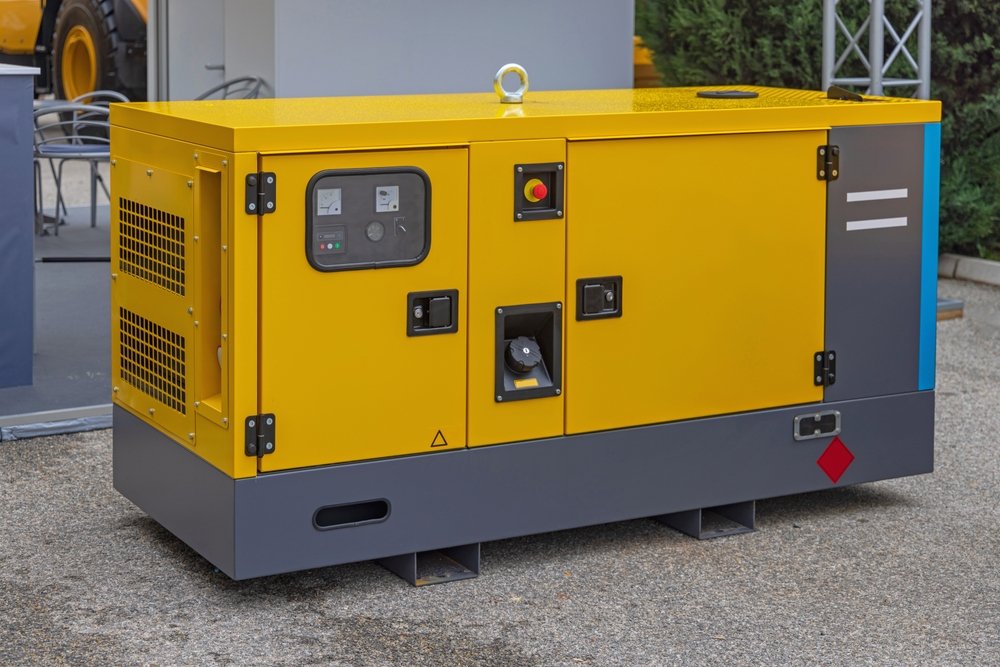
So owners usually glance at the rated kilowatt output first. But the real choice depends on the load profile, fuel efficiency and how much space you have. A 30-kW unit can keep a small boutique humming, while a 200 kW three‑phase set is needed for a multi‑storey office tower with HVAC, lifts and data‑centre racks. What’s your load like?
From what I’ve seen, most people skip the start‑up surge of motor‑driven gear. And a compressor can yank three times its normal current for a few seconds, so you need diesel generators that won’t trip on that spike.
Portable vs. Stationary Units
Portable diesel generators are perfect for outer‑suburb construction sites – you need a tough, quick‑move rig you can hitch to a trailer. And stationary units? They sit bolted on a concrete pad, wired straight into the building’s switchboard for automatic transfer, so the power flips on without you lifting a finger.
Single‑Phase vs. Three‑Phase
Three‑phase diesel generators are the backbone of heavy industrial loads, delivering smoother power for large motors and reducing harmonic distortion. Single‑phase units are cheaper and sufficient for smaller retail spaces that only need lighting and basic electronics.
Compliance with Australian Regulations and Local Council Rules
Australian diesel generator regulations, especially and the NSW Environmental Protection Authority (EPA) guidelines, set strict limits on noise, emissions, and installation approvals. Ignoring these can lead to hefty fines and even forced shutdowns for diesel generators.
And most councils, like Sydney City, cap daytime noise at 65 dB(A) measured seven metres away. So you’ll see lots of shops tuck generators into sound‑attenuated boxes or stash them on the property’s far edge during business hours. Ever notice that?
Installation Best Practices for Sydney Sites
Installation isn’t just about plugging a machine into a wall. You need a solid foundation, vibration isolation pads, and proper grounding to protect both the generator and the building’s electrical system, and any diesel generators on site.
- Lay a concrete pad, minimum 300 mm thick, then drop steel rebar every 150 mm and make sure it’s level.
- And bolt on anti‑vibration brackets sized for the unit’s weight. They’ll cut noise and wear.
- So run outdoor‑code conduit, keeping its bend radius five times the pipe’s diameter so that it won’t kink.
And the ATS has to match the generator’s rated output, and its short‑circuit rating must line up with building’s service. So when the power drops, an installed ATS will fire up the diesel generators in seconds after a blackout, keeping loads alive. Got it?
Maintenance, Service Contracts, and Long‑Term Reliability
Diesel generator maintenance in Sydney follows a seasonal rhythm, a full service before the summer heat and a check‑up before winter rains. A typical service contract includes oil changes, fuel filter replacement, coolant flush, and a load‑bank test.
I’ve seen it first‑hand: sign a local multi‑year service deal and you’ll slash unexpected breakdowns by roughly 30 %. And when a spare alternator needed fast, the contract pushes parts to you ASAP, no waiting. How’s that for peace of mind in your shop?
Key Maintenance Tasks
- Weekly visual inspection of coolant levels and oil condition.
- Monthly load‑bank test at 75 % of rated capacity for at least 30 minutes.
- Quarterly fuel tank cleaning to prevent water condensation and microbial growth.
Noise, Emissions, and Environmental Considerations
But noise is a big headache in mixed‑use areas, neighbours will complain the moment a generator breaks the dB cap, especially if diesel generators are not properly muffled. You can mute it with foam‑lined enclosures, tuck it behind a wall that eats sound, or just pick a quiet‑running model.
And emissions rules are tighter now, and the newest Euro VI diesel engines that Aussie suppliers carry slash particulate matter by as much as 90 % versus the old stuff. Some companies even blend B20 biodiesel without killing warranties, so why not cut your carbon footprint today?
Integrating Diesel Generators with Renewable Energy and Smart Controls
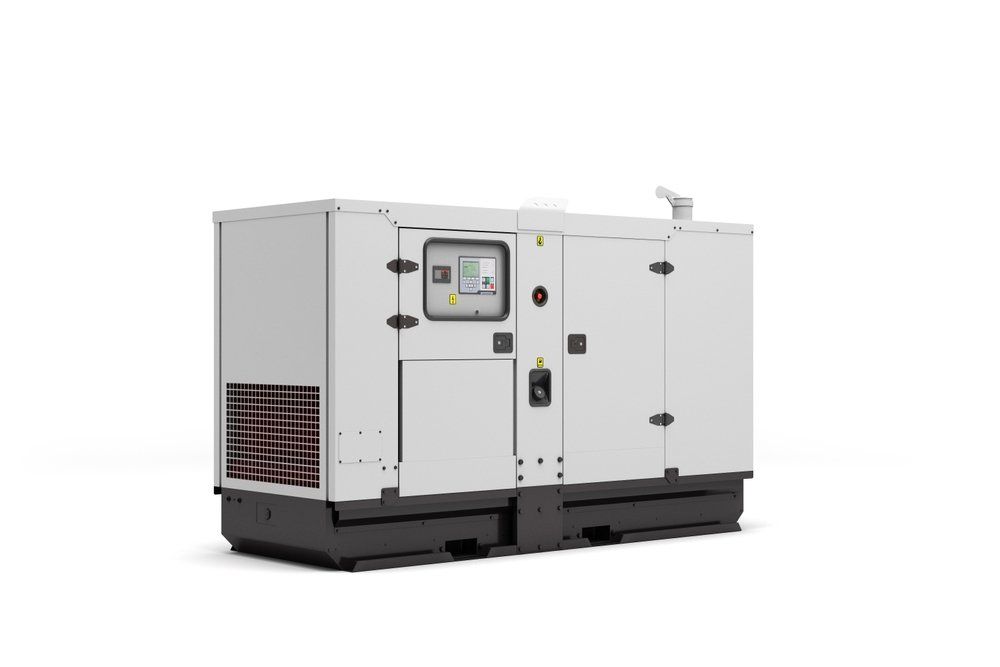
Hybrid systems that pair diesel generators with solar panels and battery storage are gaining traction in Sydney’s corporate sector. The diesel set handles peak loads and acts as a back‑up, while solar reduces fuel consumption during daylight hours.
Smart load‑management software watches demand live and fires up or shuts down the diesel generators, saving fuel and keeping the engine happy. And when oil pressure drops or a fault code shows up, remote telemetry pings the manager’s phone instantly. Got a problem?
Financing, Leasing, and Total Cost of Ownership
Most Sydney businesses don’t buy diesel generators outright; they lease or finance through specialist equipment lenders. A typical lease spreads the capital cost over five years, with an option to purchase at the end.
Figure the total cost, fuel per kWh, service contracts, insurance, resale value, depreciation, and any tax breaks you might claim. And fuel‑efficient diesel generators down under now cost just 210 g/kWh, so you’ll save a bundle over ten years even with maintenance.
Real‑World Sydney Case Studies
Take the example of a data‑centre in the North Shore that installed a 500 kW three‑phase diesel generator with an integrated ATS and remote monitoring. Since 2026, the facility has recorded zero unplanned outages despite multiple grid incidents.
And a huge warehouse in Bankstown now rolls a portable diesel generator from one construction phase to the next, keeping it busy. They slashed fuel bills by more than 15 % after swapping to a low‑emission unit and kicking off a weekly fuel‑stabiliser routine. How’s that for efficiency?
Conclusion
Choosing the right diesel generators for a Sydney business means balancing power needs, regulatory compliance, noise and emissions limits, plus long‑term maintenance. Need a reliable back‑up? So, you follow sizing guidelines, install to AS/NZS standards, and team up with a solid service crew, ensuring diesel generators are correctly integrated, you’ll keep blackouts at bay and stay inside council rules and environmental expectations.