Stucco gives buildings a durable, attractive, and versatile exterior, but it needs skilled hands to look good and perform for years. Whether you are fixing cracks, recoating a tired facade, or installing a new finish, hiring a qualified Stucco Contractor in NYC ensures the work is done with the right materials, proper moisture protection, and clean, consistent results. Neptune Construction NY Inc provides stucco repair, application, and restoration for residential and commercial properties throughout the city.
This guide explains how stucco works, common problems, and what to expect from a professional project.
What Is Stucco?
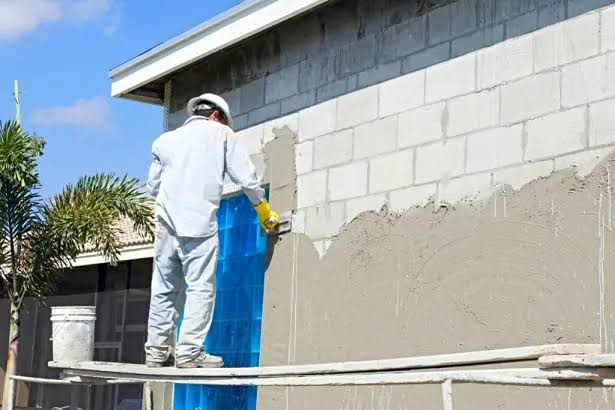
Traditional stucco is a cement-based plaster applied over a supporting surface, commonly masonry or metal lath, in multiple coats. When properly installed, it forms a hard, weather-resistant shell that can be finished in a range of textures and colors. In New York, stucco appears on rear walls, additions, foundation parapets, commercial storefronts, and many residential buildings, often covering brick or block.
Different systems exist, including traditional three-coat stucco, one-coat systems, and synthetic finishes such as EIFS. Each has different performance characteristics and repair requirements, so proper identification is the first step in any project.
Common Stucco Problems
Cracking. Hairline cracks may be cosmetic, but larger or spreading cracks allow water entry and may indicate movement or poor installation.
Delamination and bulging. When stucco separates from its substrate, it sounds hollow and may bulge or fall off.
Water staining and discoloration. Streaks, dark patches, and efflorescence point to moisture intrusion or drainage problems.
Spalling and crumbling. Surface layers break away from freeze-thaw cycles, salt exposure, or poor mix quality.
Failed paint or coatings. Peeling, blistering, and chalking reduce protection and appearance.
Damage around openings. Windows, doors, and penetrations are vulnerable when flashing and sealants fail.
Rust bleed-through. Corroding lath or metal accessories can stain stucco and weaken its hold.
Stucco Repair Process
Inspection. We examine the full surface, sound it for hollow areas, and assess moisture sources. Hidden damage behind stucco is common, so thorough evaluation is essential.
Moisture correction. Leaks at roofs, copings, windows, and flashing must be solved first. Applying new stucco over a wet problem simply hides it.
Removal of failed material. Loose, cracked, or delaminated stucco is cut back to sound edges. If the lath or substrate is damaged, it is repaired or replaced.
Substrate preparation. Surfaces are cleaned and prepared so new stucco bonds correctly. Where appropriate, water-resistive barriers and flashing are installed.
Coat application. Stucco is applied in properly timed layers, with attention to thickness, curing, and bonding between coats.
Texturing and finishing. Texture is matched to existing surfaces, whether smooth, sand, or dash finishes, to produce a seamless blend.
Painting or coating. A breathable, compatible coating can unify appearance and add protection.
Curing and cleanup. Proper curing prevents shrinkage cracking and ensures strength.
Why Texture and Color Matching Matter
One of the hardest parts of stucco repair is making the patched area disappear. Texture depends on technique, tools, and timing. Color depends on the mix, aggregate, and any applied coating. Poor matching leaves obvious scars on a wall. Skilled finishers study the existing surface and replicate its pattern so repairs blend in naturally, often followed by a full-surface coating for uniformity.
Stucco Over Brick and Masonry
In New York, stucco is often applied over brick or block, either for aesthetics or to cover previous deterioration. This can be effective when properly done, but it can also trap moisture if the underlying wall has not been repaired. Our crews evaluate the masonry beneath, correct structural and moisture issues, and ensure the stucco system is installed to support long-term performance.
Benefits of Professional Stucco Work
- Improved weather protection: Properly applied stucco sheds water and shields the wall assembly.
- Fresh, uniform appearance: Repairs and recoating renew curb appeal.
- Durability: Quality materials and methods reduce cracking and delamination.
- Lower maintenance: A well-built system requires less frequent repair.
- Value protection: Sound, attractive exteriors support property value.
Preventive Maintenance Tips
- Inspect annually, especially after winter, looking for new cracks or stains.
- Seal small cracks promptly with appropriate flexible materials.
- Keep gutters and drainage functional so water does not run down the wall.
- Avoid pressure washing at high settings, which can damage stucco and force water inside.
- Check caulk and sealants around windows, doors, and penetrations.
- Trim vegetation away from walls to reduce moisture retention.
Why Choose Neptune Construction NY Inc
- Multi-trade capability: Stucco interacts with masonry, concrete, and waterproofing, and we manage all of these under one roof.
- Careful diagnostics: We look for causes behind visible damage so repairs last.
- Skilled finishing: Texture and color matching are done with care.
- Dependable project management: Scheduling, protection, and cleanup are handled professionally.
- Honest advice: We explain whether you need spot repair, partial replacement, or full resurfacing.
- Local knowledge: We understand New York buildings, weather, and regulations.
Related Exterior Services
Stucco often works hand in hand with other repairs. We also offer masonry repair and brickwork, concrete contractor services, and brick pointing and repointing, so your facade can be restored comprehensively and consistently.
Request Your Stucco Estimate Today
If your stucco is cracking, peeling, or simply looking worn, now is the time to act. Contact Neptune Construction NY Inc to schedule an inspection and receive a clear, detailed proposal for your stucco project. Call or message us today and let us restore your exterior with lasting quality.
Frequently Asked Questions
How long does stucco last?
Well-installed and maintained stucco can last for decades. Lifespan depends on materials, workmanship, climate exposure, and upkeep.
Can small stucco cracks be ignored?
Hairline cracks may be cosmetic, but they can let in water over time. Sealing or repairing them early prevents bigger problems.
Can you match my existing stucco texture?
Yes. We examine your current finish and replicate its texture and color as closely as possible.
Is stucco repair better than replacement?
If damage is localized and the substrate is sound, repair is usually more economical. Widespread failure may call for larger-scale replacement.
Can stucco be painted?
Yes, with breathable, compatible coatings applied to a properly prepared surface.