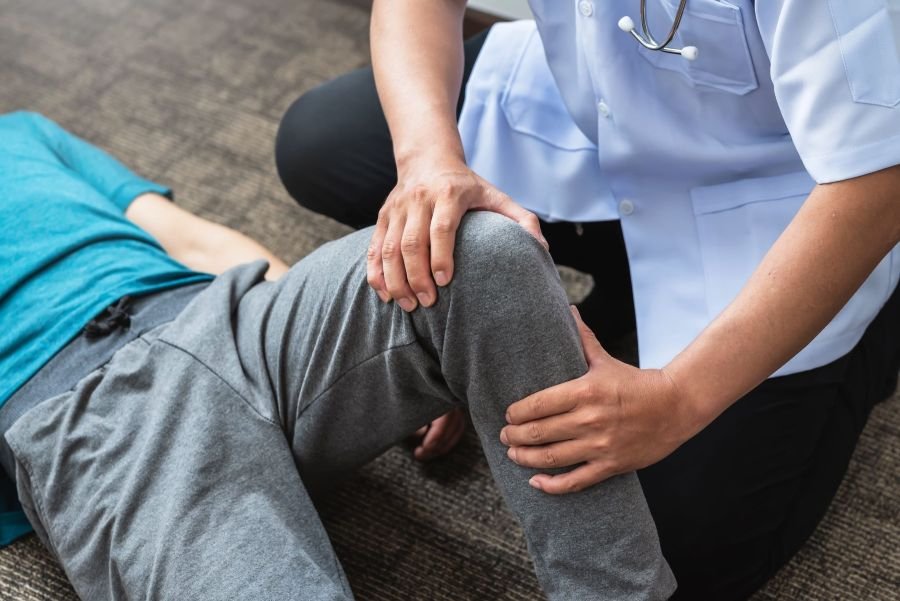
Sports and physical activities offer many benefits, including improved fitness, strength, coordination, and general well-being. But injuries can happen during training, competition, or even recreational activities.
A sudden twist, awkward landing, repeated movement, or direct impact may lead to pain and restricted movement. When an injury affects your ability to train or participate in daily activities, understanding the cause and choosing suitable care becomes important.
Sports injuries chiropractic care may be an option for selected musculoskeletal conditions. This guide explains common sports injuries, assessment methods, and recovery considerations.
What Are Sports Injuries?
Sports injuries are physical injuries that occur during exercise, training, or athletic activities.
They can affect muscles, tendons, ligaments, joints, bones, and other body structures.
Some injuries happen suddenly, while others develop gradually through repeated stress.
Common examples include:
Muscle Strains
A muscle strain occurs when muscle fibres are overstretched or damaged. It may cause pain, tenderness, swelling, or reduced strength.
Ligament Sprains
Ligaments connect bones and help stabilize joints. A sprain can happen when a joint moves beyond its normal range.
Tendon Problems
Tendons connect muscles to bones. Repetitive activity can irritate or overload a tendon, leading to pain during movement.
Joint Injuries
Sports movements may place stress on joints such as the knees, shoulders, ankles, and wrists.
Back and Neck Injuries
Twisting, lifting, contact, or sudden movements may contribute to discomfort around the spine.
Common Causes of Sports Injuries
Sports injuries can happen for several reasons.
- Skipping warm-up activities
- Increasing training intensity too quickly
- Repeating the same movement for long periods
- Using incorrect exercise techniques
- Wearing unsuitable footwear or equipment
- Returning to activity before an injury has recovered
- Poor recovery habits
- Accidental contact or falls
Not every injury can be prevented, but appropriate training and recovery habits may reduce certain risks.
Symptoms That Should Not Be Ignored
The symptoms depend on the type and severity of an injury.
Some common signs include:
- Pain during movement
- Swelling around a joint
- Muscle tenderness
- Reduced flexibility
- Difficulty bearing weight
- Joint instability
- Muscle weakness
- Limited range of motion
Severe pain, visible deformity, inability to bear weight, or sudden major swelling may indicate a serious injury and should receive prompt medical assessment.
What Happens During a Sports Injury Assessment?
A proper assessment helps identify the injured area and determine which care options may be suitable.
A healthcare professional may ask about:
- How the injury happened.
- Which activity caused the symptoms.
- When the pain started.
- Whether swelling or bruising developed.
- Previous injuries in the same area.
- Movements that increase or reduce discomfort.
- Changes in strength, sensation, or mobility.
The physical examination may include checking joint movement, muscle function, posture, and the affected area.
Further medical assessment or imaging may be necessary when a fracture, significant ligament injury, or other serious condition is suspected.
What Can Sports Injuries Chiropractic Care Include?
The treatment approach depends on the type of injury and the findings of the assessment.
Manual Techniques
Some chiropractors use selected hands-on techniques to address certain joint and movement concerns. These methods should only be used when appropriate for the patient’s condition.
Soft Tissue Techniques
Depending on the injury, treatment may include techniques involving muscles and surrounding soft tissues.
Mobility Exercises
Gentle exercises may help support movement and flexibility during recovery.
Strengthening Guidance
When suitable, progressive strengthening exercises can help rebuild physical capacity and support a return to activity.
Movement and Posture Advice
A chiropractor may discuss movement patterns, exercise technique, and activities that place repeated stress on the affected area.
Chiropractic treatment is not appropriate for every sports injury. Suspected fractures, major ligament injuries, dislocations, and other serious conditions need appropriate medical evaluation.
How to Support Recovery After a Sports Injury
Recovery should match the type and severity of the injury. Avoid returning to intense exercise simply because the pain has temporarily reduced.
Some useful steps include:
- Follow professional treatment recommendations.
- Avoid movements that significantly increase symptoms.
- Return to exercise gradually.
- Allow enough time for recovery.
- Follow suitable mobility and strengthening exercises.
- Use appropriate sports equipment.
- Pay attention to changes in pain or swelling.
- Seek reassessment if symptoms become worse.
A gradual return to activity can help reduce the risk of aggravating an injury.
Ways to Reduce the Risk of Future Injuries
Although no routine can prevent every sports injury, some habits can support safer training.
Warm Up Properly
Prepare your body with suitable movement before demanding exercise.
Increase Training Gradually
Avoid sudden increases in training time, distance, or intensity.
Use Correct Technique
Good exercise form can help reduce unnecessary stress on muscles and joints.
Include Recovery Time
Rest and recovery are important parts of a balanced training routine.
Choose Suitable Equipment
Footwear and protective equipment should match your activity and individual needs.
Listen to Your Body
Persistent pain, unusual swelling, or reduced performance may indicate that your training routine needs adjustment.
Sports Injuries Chiropractic Care in Etobicoke
People dealing with sports-related pain or restricted movement may want an assessment to understand their condition and available care options.
Etobicoke Chiro offers information about chiropractic care for sports injuries in people who take part in recreational and athletic activities.
Visit Sport Injuries Chiropractic to review the clinic’s service information and learn more about its approach to sports-related concerns.
Final Thoughts
Sports injuries can affect athletes and people who exercise for general fitness. Understanding the injury, receiving an appropriate assessment, and following a suitable recovery plan can help support a safe return to activity.
Avoid rushing back into demanding exercise, and seek professional guidance when pain or restricted movement continues. A care plan should always reflect the injury, your physical condition, and your activity goals.