
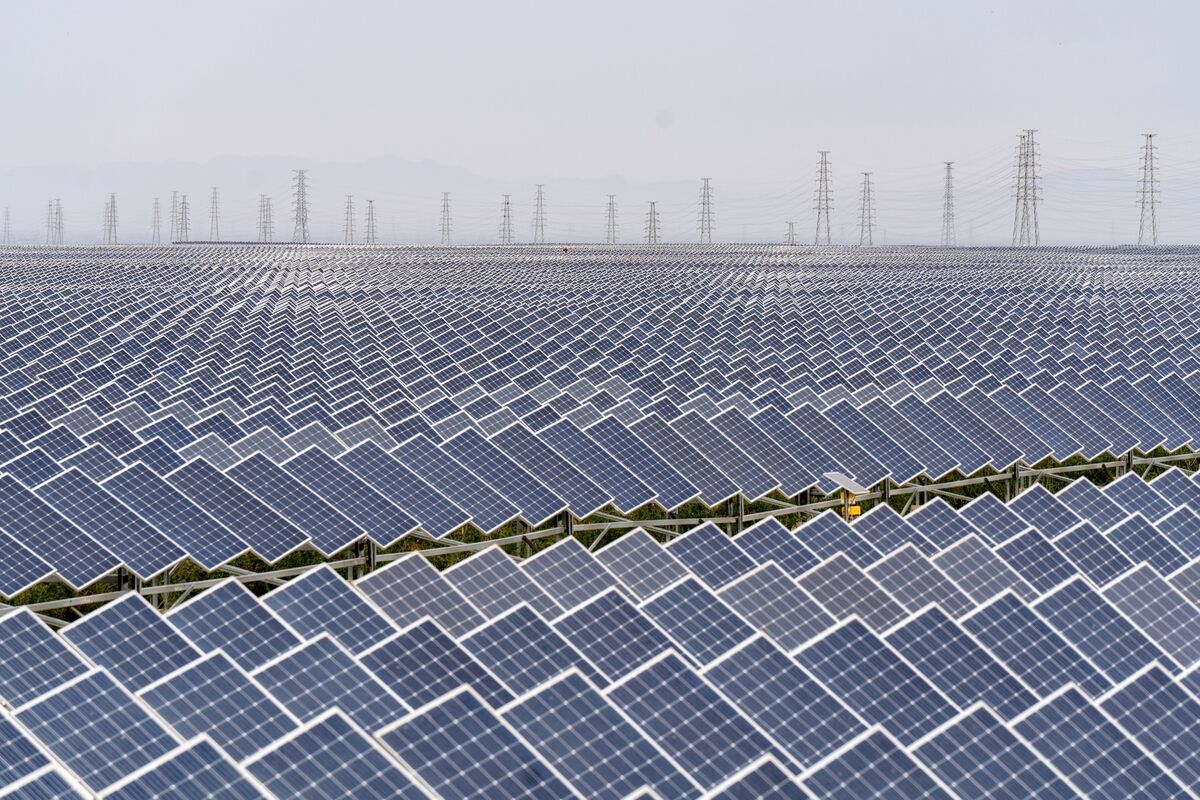
Understanding the Growing Importance of Solars-China
The global demand for clean and renewable energy continues to boost as individuals, businesses, and governments search for practical ways to cut back their dependence on traditional energy sources. Solar powered energy is now an essential part with this transformation as it uses sunlight to generate electricity without directly producing greenhouse gas emissions during operation. customized solar panels Through this evolving industry, solars-china is really a keyword related to China’s solar energy sector, manufacturing capabilities, and the expanding market for solar technology.
China has established an important presence in the global solar industry through large-scale manufacturing, technological development, and investment in renewable energy infrastructure. Its solar products reach markets all over the world, supporting residential installations, commercial projects, and utility-scale power generation. Understanding solars-china offers a way to explore how solar technology is changing energy production and creating new possibilities for an even more sustainable future.
China’s Role in the Global Solar Industry
China plays a major role in the production and way to obtain solar energy equipment. Its manufacturing industry includes solar panels, photovoltaic modules, inverters, mounting systems, and other components required for solar installations. A sizable production capacity has helped manufacturers serve customers across different regions and price categories.
The country’s solar industry benefits from extensive supply chains, specialized manufacturing facilities, and continuing investment in research and development. These factors have contributed to improvements in production efficiency and the accessibility to solar equipment for international markets.
The term solars-china can therefore be strongly related people researching Chinese solar manufacturers, comparing photovoltaic technologies, or exploring renewable energy suppliers. However, buyers should remember that product quality, warranty conditions, certifications, and after-sales support may vary significantly between manufacturers. Evaluating individual companies is more useful than assuming every product from a specific market offers exactly the same performance.
Solar Panels and Photovoltaic Technology
Solar panels are among the absolute most recognizable components of a solar energy system. They use photovoltaic cells to convert sunlight into electrical energy. When sunlight reaches these cells, it generates an electric current which can be collected and used to power homes, offices, factories, and other facilities.
Manufacturers continue to develop solar panels with improved efficiency, durability, and power output. Modern photovoltaic products can offer electricity in a wide variety of climates, although actual performance is dependent upon sunlight availability, installation conditions, temperature, shading, and system design.
People exploring solars-china may encounter different panel technologies, including monocrystalline silicon modules and advanced designs designed to improve energy conversion. Comparing panels requires significantly more than considering their advertised wattage. Buyers must also examine efficiency ratings, temperature performance, degradation rates, mechanical strength, and warranty coverage.
Choosing suitable equipment is dependent upon the intended application. A residential rooftop system may prioritize available roof space and long-term reliability, while a big commercial installation may place greater focus on total project costs, installation efficiency, and long-term energy production.
Benefits of Solar Energy for Homes and Businesses
Solar powered energy offers several potential benefits for residential and commercial energy users. One important advantage is the capability to generate electricity directly at the point of consumption. According to local electricity prices, available sunlight, installation costs, and applicable regulations, this could reduce reliance on electricity purchased from the grid.
Businesses may also use solar installations to manage energy expenses and support environmental sustainability goals. Warehouses, factories, offices, and agricultural facilities can occasionally accommodate rooftop or ground-mounted solar systems that contribute to their electricity requirements.
For households, solar panels can offer a practical method to make use of an otherwise underutilized rooftop. When along with an appropriate inverter and, where appropriate, battery storage, something may provide greater flexibility in managing electricity use.
Curiosity about solars-china can help buyers locate a broad array of equipment alternatives for these applications. Nevertheless, the financial great things about solar energy aren’t identical everywhere. Local electricity tariffs, weather patterns, installation expenses, financing terms, and grid connection policies all influence the general value of a project.
Innovation and Advancements in Solar Manufacturing
Technological innovation remains central to the development of the solar industry. Manufacturers will work to boost cell efficiency, improve manufacturing processes, reduce material waste, and develop products that perform reliably under different environmental conditions.
China’s extensive solar manufacturing ecosystem supports competition and investment across several stages of the photovoltaic supply chain. Advances in cell architecture and production methods can help improve the total amount of electricity generated from a given panel area.
Energy storage is another important part of the wider renewable energy landscape. Solar panels generate electricity when sunlight can be acquired, while batteries can store some of that energy for later use. The effectiveness of a mixed system is dependent upon battery capacity, inverter compatibility, energy consumption patterns, and installation quality.
When researching solars-china products, customers should distinguish between established commercial technologies and emerging innovations that could still have limited availability. Independent performance testing, credible certifications, and transparent technical documentation can help buyers make more informed comparisons.
Choosing Reliable Solar Equipment
Selecting solar equipment requires careful research because the lowest priced option is not always the absolute most economical over the time of an installation. A low cost might be offset by reduced performance, difficult warranty claims, or limited access to replacement components.
Buyers considering solars-china suppliers should investigate manufacturer credentials, product specifications, warranty terms, and the accessibility to technical support. It can be helpful to verify if the supplier can offer documentation required by local authorities, installers, insurers, or financing providers.
Importing solar equipment introduces additional considerations, including shipping costs, customs duties, taxes, product compliance, and delivery schedules. These expenses can impact the last project budget, so comparing suppliers should involve the complete landed cost as opposed to the advertised product price alone.
Dealing with a qualified solar installer also can help ensure that the panels, inverter, mounting equipment, electrical protection, and wiring are compatible. Proper installation and maintenance are important for safety and dependable long-term performance.
Environmental Impact and Sustainable Development
Solar energy can contribute to reducing electricity-related emissions when it replaces power generated from fossil fuels. Additionally, it may diversify energy supplies and support the development of cleaner electricity systems.
However, solar technology is not completely free of environmental impacts. Manufacturing requires energy and raw materials, transportation consumes resources, and photovoltaic panels eventually reach the conclusion of the useful lives. Responsible recycling, improved manufacturing efficiency, and thoughtful material management can reduce these impacts.
The growth of solars-china highlights the significance of evaluating sustainability across the entire product lifecycle. Manufacturers, policymakers, installers, and consumers all have roles in encouraging responsible production and the right handling of equipment at the conclusion of its service life.
As solar adoption expands, better recycling infrastructure and transparent environmental reporting will become increasingly important. These efforts can help the renewable energy sector deliver broader environmental benefits while managing its own resource requirements.
The Future Outlook for Solars-China
The future of solar energy will be shaped by technological improvements, electricity demand, government policies, investment conditions, and international trade. Continued innovation can make solar systems better and accessible, while improved storage solutions could help address the differences between daytime generation and evening electricity consumption.
China is likely to remain an essential participant in the global solar supply chain, although market conditions and competition can change. International buyers will continue to think about factors such as product quality, supply reliability, regulatory compliance, and total ownership costs when selecting equipment.
For people researching solars-china, staying informed about new technologies and market developments can support better purchasing decisions. Comparing independent product information and consulting experienced professionals can help identify solutions suited to specific energy needs.
Conclusion
Solars-china represents a good keyword for exploring China’s contribution to the expanding solar energy market. From photovoltaic panel manufacturing to technological innovation and international equipment supply, the industry plays an essential role for making solar energy offered to homes, businesses, and large energy projects.
Deciding on the best solar solution requires awareness of efficiency, durability, warranties, installation standards, and overall costs. By researching suppliers carefully and understanding local energy requirements, buyers may make well informed decisions about renewable power.
As the entire world continues moving toward cleaner electricity, solar energy is expected to stay an essential part of the transition. Responsible manufacturing, informed purchasing, and continued technological progress can help strengthen the role of solar energy in an even more sustainable energy future.