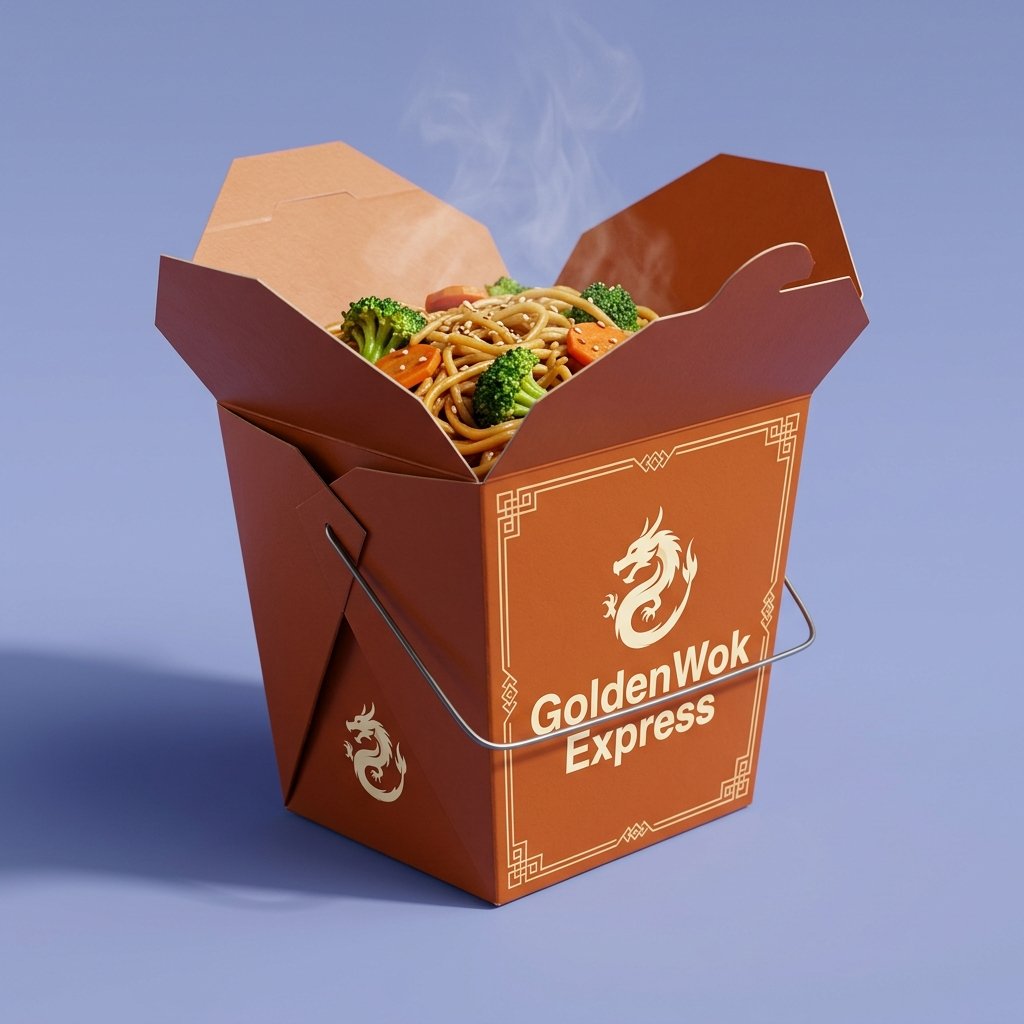
Restaurants that serve hot meals with sauces need packaging that can handle heat, moisture, and daily use. Foods such as noodles, curries, stir-fries, and saucy rice dishes can leak or lose their quality if packed in the wrong container. Using custom printed chinese takeout boxes can help restaurants combine suitable food containers with clear branding and a neat presentation.
Good packaging should protect the meal while making it easy to carry and open. It should also help staff pack orders quickly during busy hours. By choosing the right materials, sizes, and closures, restaurants can reduce common problems and create a better takeout experience.
1. Choose Materials That Suit Hot Food
Hot food can release heat and moisture inside a closed container. Some materials may soften or lose strength when exposed to these conditions for too long.
Restaurants should select packaging made for the type and temperature of food they serve. Food-contact materials must be suitable for their intended use. Testing containers with actual menu items can help staff find out how well they perform.
2. Prevent Sauce Leaks
Sauces can spill when a container does not close properly or cannot handle the food’s moisture. This can make the order messy and affect other items in the delivery bag.
Containers should have secure closures and a structure that suits the portion size. Restaurants should also avoid filling containers beyond their safe capacity. A quick check before an order leaves the kitchen can help catch leaks early.
3. Select the Right Container Size
The size of the container matters as much as its material. A container that is too small may press against the food or allow sauce to spill. One that is too large may let the meal move around during transport.
Restaurants should match the container to the portion and shape of each dish. Proper sizing can help keep food in place and make orders easier to pack.
4. Manage Heat and Moisture
Hot meals often produce steam after they are packed. If too much moisture collects inside a container, some foods may become soft or lose their intended texture.
Packaging design should suit the food being served. Certain meals may benefit from controlled ventilation, while others need a more secure closure to prevent leaks. Restaurants should test different options to find a useful balance between heat retention and moisture control.
5. Keep Food Separate When Needed
Some meals include several items with different textures. For example, crispy toppings may become soft when placed directly in a wet sauce.
Separate compartments or small containers can help keep ingredients apart until the meal is ready to eat. This can improve presentation and give customers more control over how they combine their food.
6. Make Packaging Easy for Staff to Handle
During lunch and dinner rushes, workers need packaging that is quick to assemble and close. Complicated containers can slow down service and create extra work.
Restaurants should choose designs that staff can prepare with simple steps. Keeping containers, lids, labels, and bags organized near the packing area can also help the team work more smoothly.
7. Protect Meals During Delivery
Takeout orders may be carried over uneven roads or moved several times before reaching the customer. Containers should stay closed and remain stable during normal handling.
Restaurants can place heavier containers at the bottom of delivery bags and keep lighter items above them. Drinks should be kept separate from food where possible. Staff should also check that the bag is balanced and that each container is secure.
8. Follow Safe Food-Handling Practices
Suitable packaging is only one part of food safety. Staff should use clean hands and work areas, protect prepared meals from unnecessary contact, and store packaging in a clean, dry place.
Restaurants should also follow safe temperature practices for hot foods. Containers should not be reused unless they are designed for reuse and can be cleaned properly. Clear procedures can help staff handle meals with care.
9. Keep Branding Clear and Useful
Packaging can help customers recognize a restaurant through its logo, colors, and simple design. However, the artwork should not distract from the package’s main job of protecting the food.
Readable printing and a consistent style can make containers look professional. Restaurants should also ensure that important labels remain visible and that branding does not interfere with closures or safe handling.
10. Test Packaging Before Using It Regularly
Before choosing a container for everyday service, restaurants should test it with their most common dishes. Staff can check whether the container holds its shape, closes securely, and handles sauces without leaking.
It is also useful to test how the food looks after normal packing and transport. Feedback from kitchen staff and customers can reveal problems that may not be clear during the first inspection.
Conclusion
Smart packaging helps restaurants serve hot and saucy foods with less mess and better presentation. The right container should suit the meal, handle heat and moisture, close securely, and remain easy to carry. When comparing suppliers, a custom boxes company in USA can be one option to consider, alongside other providers, based on food-safe materials, container design, printing quality, and delivery needs.