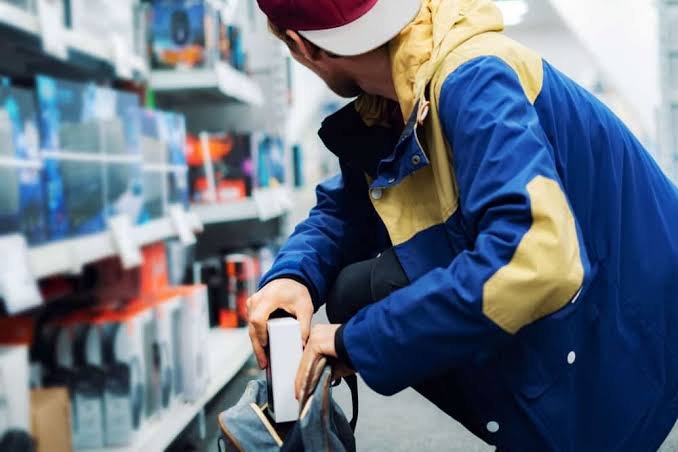
Shoplifting remains one of the most persistent challenges for retailers, affecting profit margins, inventory accuracy, employee safety, and the overall customer experience. Effective prevention is not about treating every shopper as a potential thief. Instead, retailers need practical systems that reduce opportunities for retail theft while keeping legitimate customers comfortable.
A strong loss-prevention strategy combines store design, employee awareness, inventory controls, technology, and clear procedures. The best results usually come from several small improvements working together rather than relying on a single security measure.
Why Shoplifting Prevention Matters
Shoplifting can affect more than the value of individual stolen products. Repeated losses can create inaccurate inventory records, increase operating costs, and force retailers to spend more time investigating discrepancies.
Certain products are especially vulnerable because they are small, valuable, easy to conceal, or frequently resold. Cosmetics, electronics accessories, jewelry, alcohol, batteries, and health and beauty products are common examples.
Retailers should also consider where losses occur. A store may discover that most incidents happen around poorly monitored aisles, crowded entrances, self-checkout areas, or during specific periods of the day. Identifying these patterns makes prevention more targeted.
Step-by-Step Shoplifting Prevention Strategies
1. Design the Store for Better Visibility
Store layout plays an important role in loss prevention. Tall displays, crowded shelves, and hidden corners can create areas where employees cannot easily observe customer activity.
Keep high-risk merchandise within visible areas whenever practical. Avoid placing large fixtures near entrances or corners that create blind spots. Mirrors can also improve visibility in areas that are difficult to monitor directly.
A simple test is to walk through the store from an employee’s perspective. Ask:
- Can staff see major aisles from their normal positions?
- Are expensive products hidden behind displays?
- Are there poorly monitored corners?
- Can someone easily leave without passing an employee?
Small layout changes can eliminate opportunities without making the store feel like a security facility.
2. Improve Employee Awareness
Employees are one of the most valuable parts of a prevention program. However, training should focus on awareness rather than confrontation.
Staff should understand common warning signs, such as repeated trips into isolated areas, unusual attention to security devices, excessive handling of high-value products, or attempts to distract employees. None of these behaviors automatically means someone is stealing, so employees should avoid making assumptions based solely on appearance or behavior.
Train staff to greet customers naturally, offer assistance, and remain observant. A simple “Can I help you find something?” can let customers know the area is being monitored without creating an uncomfortable atmosphere.
3. Protect High-Risk Merchandise
Not every product needs the same level of protection. Analyze historical loss data and identify merchandise that experiences unusually high shrinkage.
Depending on the product, retailers can use:
- Security tags
- Locked display cases
- Peg hooks with protective devices
- Product keepers
- Controlled-access displays
- Electronic article surveillance systems
The goal is to match the security measure to the risk. Locking every product behind glass may reduce theft, but it can also frustrate customers and slow sales.
4. Use Security Technology Strategically
Security cameras can discourage theft and help investigate incidents. However, simply installing more cameras does not automatically create a safer store.
Position cameras to cover entrances, exits, checkout areas, high-risk merchandise, and locations with limited natural visibility. Make sure important areas are adequately illuminated so footage remains useful.
Retailers can also use electronic article surveillance, access controls, and other loss-prevention technologies where appropriate. Technology works best when employees understand how to respond to alerts and when systems are regularly tested.
5. Strengthen Checkout Procedures
Checkout areas deserve special attention because they combine merchandise, money, and customer traffic.
Establish consistent procedures for price overrides, refunds, voided transactions, discounts, and high-value purchases. Managers should periodically review unusual transaction patterns rather than relying entirely on manual observation.
Self-checkout areas may require additional supervision because customers handle products and transactions themselves. Clear signage, good visibility, employee presence, and appropriate monitoring can reduce opportunities for misuse.
6. Maintain Accurate Inventory Records
Inventory accuracy is essential for identifying shrinkage. If stock records are unreliable, retailers cannot easily determine whether missing products resulted from theft, receiving errors, damaged goods, administrative mistakes, or other causes.
Conduct regular cycle counts on high-risk merchandise instead of waiting for a full annual inventory. Compare physical stock with system records and investigate recurring discrepancies.
For example, if a particular product repeatedly shows shortages after weekend shifts, examine receiving records, transaction history, merchandising practices, and staffing patterns before concluding that shoplifting is responsible.
7. Secure Entrances and Exits
Store entrances and exits should support both customer convenience and employee awareness.
Keep exits well-lit and free from unnecessary obstructions. Position registers or staffed areas where employees can maintain reasonable visibility of customers leaving the store.
Where appropriate, electronic security systems can provide an additional layer of protection. However, these systems should complement employee procedures rather than replace them.
Common Shoplifting Prevention Mistakes
One common mistake is relying entirely on security cameras. Cameras are valuable, but they are most effective when combined with trained employees, good store design, inventory controls, and appropriate security equipment.
Another problem is inconsistent enforcement. If employees follow procedures differently from one shift to another, gaps quickly develop. Create simple policies and train everyone to follow the same process.
Overreacting is another risk. Employees should never put themselves or customers in unnecessary danger to protect merchandise. Retailers should establish clear guidelines for reporting suspected theft and contacting management or law enforcement when appropriate.
Finally, avoid judging customers based on appearance, age, clothing, or other personal characteristics. Prevention should focus on observable behavior and store procedures. Fair and consistent practices protect both customers and employees.
Practical Tips From a Loss-Prevention Perspective
Start with your own data. Review inventory adjustments, incident reports, refund activity, and transaction records to identify where losses actually occur.
Next, prioritize improvements according to risk. A small retailer may get better results from improving visibility and protecting ten high-risk products than from installing an expensive system throughout the entire store.
Conduct occasional “loss walks” with managers. Walk through the store at different times and look for blind spots, unattended merchandise, damaged security devices, and procedures that employees struggle to follow.
It is also useful to evaluate prevention measures from the customer’s perspective. Security should feel integrated into normal shopping rather than intimidating. Friendly greetings, organized displays, clear aisles, and visible employees can improve both security and customer service.
Most importantly, review the strategy regularly. Theft patterns change when store layouts, product lines, staffing levels, technology, or shopping behaviors change. A prevention program should evolve accordingly.
Conclusion
Effective shoplifting prevention does not depend on one perfect security product or procedure. It requires a layered approach that combines store visibility, employee awareness, merchandise protection, technology, inventory accuracy, and consistent policies.
Retailers should begin by identifying their highest-risk areas and products, then introduce practical measures that address those specific weaknesses. When security becomes part of everyday store operations, businesses can reduce losses while maintaining a welcoming shopping environment.