
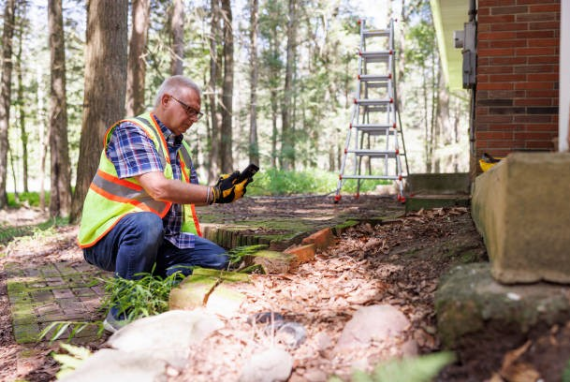
Buying or settling into a rural home comes with a learning curve, especially when the property depends on a septic system. For first-time homeowners, septic inspection services can provide the clarity needed to understand what is working, what needs attention, and what could become a future concern.
A proper checklist makes the process less confusing and helps homeowners ask better questions before small issues turn into costly problems. With the right inspection approach, rural property owners can feel more confident about protecting their home, land, water supply, and long-term investment.
Key Takeaways
- Septic records show system history.
- Location details prevent accidental damage.
- Tank condition should be checked early.
- Sludge and scum levels guide pumping needs.
- Baffles and filters protect the drainfield.
- Drainfield signs should not be ignored.
- Indoor plumbing symptoms can reveal septic issues.
- Older systems may need future planning.
- Home changes can affect septic capacity.
Septic Inspection Services Checklist for First-Time Rural Homeowners
- Start with the Septic Records and Property History
Before the physical inspection begins, ask for available records. First-time homeowners should not rely only on what a seller or previous owner remembers. Written records are much more useful. Septic inspection services can also help homeowners understand which records matter most.
Documents to Request
Ask for:
- Septic permits
- Original system design
- Tank size
- Drainfield location
- Pumping history
- Repair records
- Past inspection reports
- Installation date, if available
- Any notices from the local health department
- Records of additions or changes to the home
These details can indicate whether the system was sized properly and whether past problems have recurred.
- Locate the Tank, Drainfield, and Access Points
Many rural homeowners do not know exactly where their septic systems are located. This can become a problem when planning landscaping, fencing, driveways, additions, barns, sheds, or heavy equipment use.
A professional providing residential septic services can help locate and mark the tank, lids, drainfield, and other important components.
Why Location Matters
Knowing the system location helps you:
- Avoid driving over the tank or drainfield
- Keep livestock away from sensitive areas
- Plan landscaping safely
- Make future service easier
- Prevent accidental damage during digging
- Share accurate details with contractors
- Protect the drainfield from soil compaction
If the system map is missing, ask the inspector whether one can be created during the visit.
- Check the Septic Tank Condition
The septic tank is one of the main parts of the system. It holds wastewater long enough for solids to settle and fats, oils, and grease to rise. The liquid then moves toward the drainfield.
During septic inspection services, the inspector should check whether the tank is stable, accessible, and functioning as intended.
Tank Items to Review
A tank check may include:
- Tank material
- Tank size
- Lid condition
- Water level
- Signs of cracks
- Signs of leaks
- Sludge and scum levels
- Inlet and outlet baffles
- Effluent filter condition
- Safe access for future service
If the tank is cracked, leaking, collapsing, undersized, or unsafe to access, the issue may need more than basic maintenance.
- Measure Sludge and Scum Levels
One of the most important inspection steps is measuring solids inside the tank. Sludge settles at the bottom, while scum collects near the top. If these layers become too thick, solids can move into the drainfield and cause serious damage.
What This Tells the Homeowner
Measuring sludge and scum helps determine:
- Whether pumping is needed.
- Whether the tank has been maintained.
- Whether solids may be reaching the drainfield.
- Whether household water use or habits are stressing the system.
- Whether the system needs closer monitoring.
For first-time homeowners, this gives a clear starting point for future maintenance. Septic inspection services make this step easier to understand by allowing the inspector to explain what the measurements mean.
- Inspect Baffles, Tees, and Filters
Baffles and tees help control wastewater movement through the tank. The effluent filter helps keep solids from flowing toward the drainfield. If these parts are damaged or clogged, the system may not properly protect the drainfield.
Warning Signs
Problems may include:
- Missing baffles
- Broken tees
- Clogged filter
- High water level in the tank
- Solids near the outlet
- Sewage odors
- Slow drains
- Evidence of past backups
These parts may be repairable, but they should not be ignored.
- Review the Drainfield Carefully
The drainfield is where treated liquid from the tank disperses into the soil. It is one of the most sensitive and costly parts of the septic system. A healthy tank cannot make up for a failing drainfield.
A complete inspection should look at the drainfield area, not only the tank.
Drainfield Warning Signs
Watch for:
- Standing water
- Spongy soil
- Sewage smells
- Unusually green grass
- Erosion
- Surface runoff flowing toward the area
- Tire tracks or heavy equipment marks
- Nearby deep-rooted trees
- Slow drains after heavy water use
- Trouble after rain or snowmelt
If the drainfield is failing, repair options may be limited. In serious cases, septic system replacement or a new drainfield may be needed.
- Check Indoor Plumbing Symptoms
First-time rural homeowners should also pay attention to what is happening inside the home. Septic issues often show up through plumbing symptoms before they become visible outside.
Indoor Signs to Mention During Inspection
Tell the inspector if you notice:
- Several slow drains
- Gurgling toilets
- Sewage odors indoors
- Toilets that flush poorly
- Water backing up into tubs or showers
- Repeated clogs
- Basement floor drain issues
- Laundry drainage problems
One slow sink may be a local plumbing issue. Several slow drains may suggest a septic problem that needs professional review.
- Ask About System Age and Expected Service Life
System age matters. A well-maintained septic system can last a long time, but older systems may have outdated materials, unclear records, or designs that no longer fit the household.
Why Age Matters for New Homeowners
An older system may need closer attention if:
- The home has more occupants than before
- Bathrooms were added
- A basement was finished
- The property is used as a rental
- Laundry use has increased
- Records are missing
- The system has had repeated repairs
- The tank or drainfield location is unclear
If the system is nearing the end of its practical life, the homeowner may need to begin septic system planning for future repair, upgrade, or replacement.
- Consider Whether the System Fits the Home
A septic system should be matched to the property and its household use. First-time rural homeowners should ask whether the current system is properly sized for the home’s bedrooms, fixtures, water use, and plans.
Changes That Can Affect Capacity
The system may be stressed by:
- Larger families
- Frequent guests
- Home offices
- Guest suites
- Rental use
- Added bathrooms
- High laundry demand
- Water softener discharge
- Garbage disposal use
- Outbuildings connected to the system
If the home has changed since the original septic installation, the system may need closer evaluation.
Conclusion
First-time rural homeowners need a clear understanding of their septic system before problems appear. Records, tank condition, sludge and scum levels, drainfield signs, plumbing symptoms, system age, and household capacity all help show whether the system is healthy or needs attention.
Septic inspection services provide homeowners with useful insights into what is working, what needs repair, and what may require future planning. With the right inspection and simple records, rural homeowners can protect their property, avoid costly surprises, and make better long-term decisions.
Schedule your septic inspection with Septic Science LLC and get trusted guidance for rural home systems, maintenance needs, and future septic planning.
FAQs
What should first-time homeowners ask before buying a rural home?
They should ask for septic records, pumping history, inspection reports, permits, tank size, drainfield location, and any known repair or backup issues.
Can a missing septic map cause problems later?
Yes. Without a map, homeowners may accidentally build, dig, park, or landscape over important septic components.
Should a septic inspection include the drainfield?
Yes. The drainfield is a major part of the system, and problems there can be costly if they are missed.
What does it mean if the tank has a high-water level?
A high-water level may indicate a clogged filter, a drainfield issue, a blocked line, or excess water entering the system.
Can home additions affect septic performance?
Yes. Adding bathrooms, bedrooms, guest spaces, or rental use can increase wastewater flow and stress an older system.
Should a septic inspection service include the drainfield?
Yes. The drainfield is a major part of the system, and problems there can be costly if they are missed.