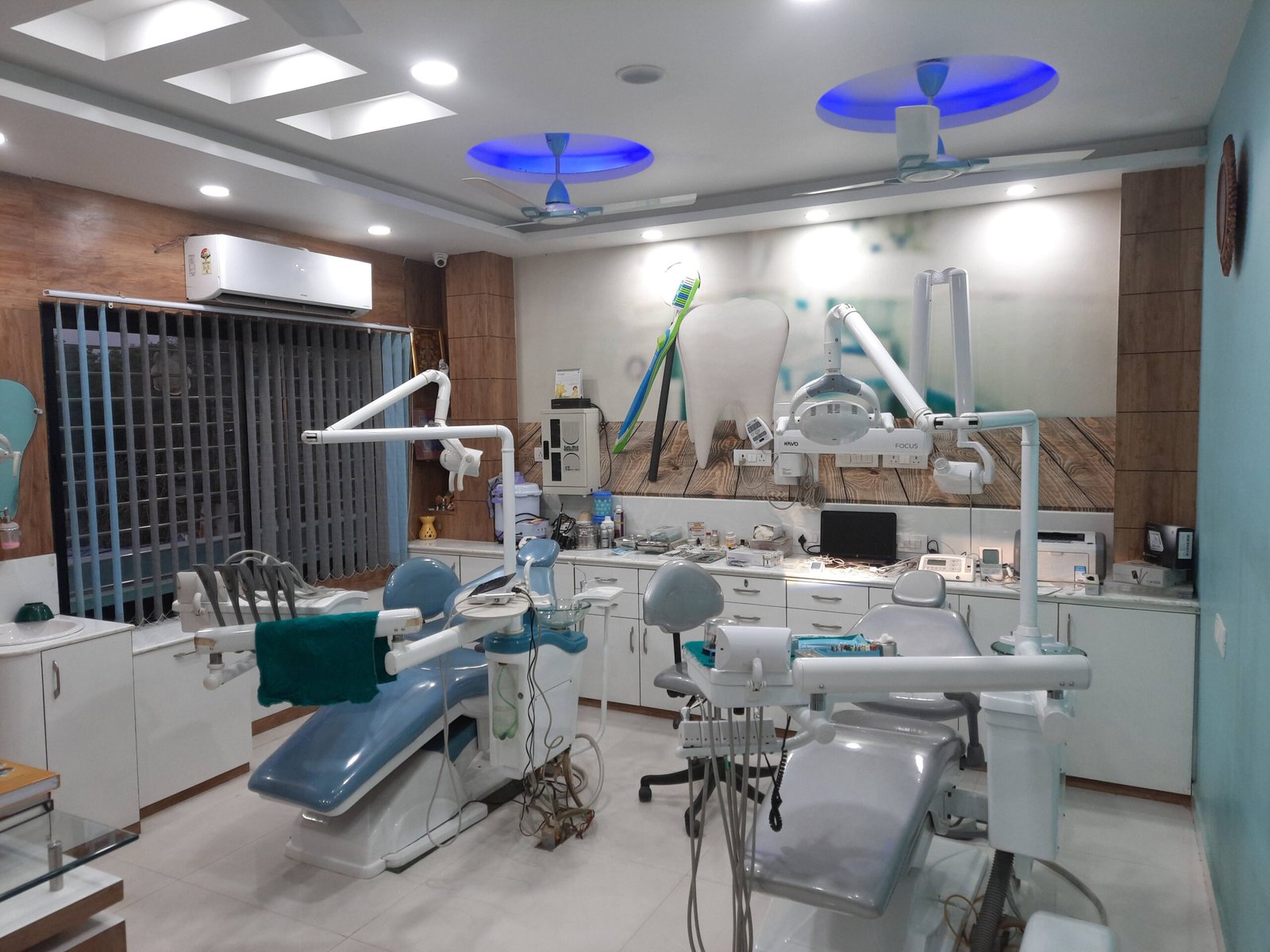
Finding suitable Sedation Dentistry in Northeast Calgary can make dental visits more manageable for people who experience anxiety, fear, or difficulty staying comfortable during dental procedures. Dental anxiety is common and may cause some patients to delay important appointments, even when they are experiencing pain or other oral health concerns. Sedation dentistry offers different options that may help eligible patients feel more relaxed during treatment.
Martindale Smiles is a dental practice patients can contact to ask about available sedation options, eligibility requirements, and ways to make their dental appointments more comfortable.
What Is Sedation Dentistry?
Sedation dentistry involves using medication or other clinically appropriate methods to help patients relax during dental treatment. Depending on the patient’s needs and the procedure involved, sedation may range from minimal relaxation to deeper levels of sedation.
It is important to understand that sedation is different from local anaesthesia. Local anaesthesia numbs a specific area to prevent pain, while sedation primarily helps reduce anxiety and promote relaxation. Both may be used together when appropriate.
The type of sedation recommended depends on factors such as medical history, anxiety levels, treatment complexity, and individual safety considerations.
Why Do Patients Choose Sedation Dentistry?
People consider sedation dentistry for different reasons. For some, dental anxiety makes even routine examinations stressful. Others may find it difficult to remain comfortable during longer procedures.
Common reasons include:
- Fear or anxiety about dental treatment.
- A strong gag reflex that makes procedures challenging.
- Difficulty sitting still for extended periods.
- Sensitivity to dental procedures.
- Previous unpleasant dental experiences.
- The need for multiple or complex treatments.
Sedation may help eligible patients receive necessary dental care with greater comfort. However, it does not eliminate every source of discomfort, and the dentist will explain what to expect before treatment.
Different Types of Dental Sedation
Several sedation approaches may be available in dentistry. The appropriate option depends on the patient’s health, treatment requirements, and the qualifications and services available at the practice.
Nitrous Oxide Sedation
Nitrous oxide, commonly known as laughing gas, is inhaled through a small mask placed over the nose. It can help patients feel relaxed during treatment while generally allowing them to remain awake and responsive.
Its effects usually wear off relatively quickly after administration stops. The dental team will determine whether this option is suitable based on the patient’s medical history and needs.
Oral Sedation
Oral sedation involves taking prescribed medication before a dental appointment. It may help reduce anxiety and create a relaxed feeling.
The level of drowsiness can vary between individuals. Patients may remain awake but feel less aware of their surroundings. Because the medication can affect alertness and coordination, transportation arrangements and post-treatment instructions are important.
Intravenous (IV) Sedation
IV sedation delivers medication directly into the bloodstream through a vein. It can provide a deeper level of sedation than some other approaches and may be considered for selected patients undergoing more involved dental procedures.
It requires appropriate monitoring and trained professionals. Not every dental practice provides this service, so patients should confirm availability and any referral requirements.
Who May Benefit From Sedation Dentistry?
Sedation dentistry may be considered for adults and, in selected cases, children who have difficulty tolerating dental treatment.
Potential candidates may include:
- Patients with significant dental anxiety.
- Individuals with a pronounced gag reflex.
- People who struggle with longer dental appointments.
- Patients requiring complex dental procedures.
- Individuals who have difficulty remaining still during treatment.
Sedation is not suitable for everyone. Certain medical conditions, medications, allergies, pregnancy, and breathing-related concerns may affect which options are appropriate.
A dentist or qualified sedation provider must review the patient’s medical history before recommending a method.
What to Expect Before a Sedation Appointment
Preparation is an important part of safe dental sedation. Before treatment, patients should provide complete and accurate information about their health.
The preparation process may include:
- Medical History Review: Discuss existing health conditions, allergies, previous reactions to sedation, and current medications.
- Treatment Assessment: The dental professional evaluates the procedure and determines whether sedation is appropriate.
- Instructions: Patients receive guidance about eating, drinking, and taking regular medications when relevant.
- Transportation Planning: Some sedation methods require a responsible adult to accompany the patient and take them home.
- Consent and Explanation: The dental team explains the planned approach, potential risks, and monitoring arrangements.
Patients should follow the specific instructions provided by their dental professional rather than making assumptions about preparation requirements.
Is Sedation Dentistry Safe?
Sedation can be appropriate for many patients when it is carefully selected and administered by qualified professionals. However, like other medical procedures, it carries potential risks.
Possible side effects vary by sedation method and may include drowsiness, nausea, dizziness, or temporary changes in alertness. More serious complications are possible, particularly with deeper sedation.
Safety measures may include reviewing medical history, checking vital signs, using appropriate monitoring equipment, and ensuring that trained personnel are available to respond to complications.
Patients should always disclose their complete medical history and ask questions about the risks and benefits of the recommended sedation option.
Choosing a Dental Practice for Sedation Dentistry
When researching Sedation Dentistry in Northeast Calgary, patients should consider the dental team’s experience, available sedation methods, safety procedures, and clarity of communication.
It is also helpful to ask:
- Which sedation options are currently available?
- Who administers and monitors the sedation?
- Is a medical assessment required beforehand?
- Will someone need to accompany the patient?
- What are the expected costs and recovery instructions?
- Are referrals available for more advanced sedation needs?
Martindale Smiles is a practice patients can contact to ask about its current sedation dentistry services, appointment availability, and suitability assessment process. Confirm which options are offered directly by the practice before booking.
Conclusion
Sedation dentistry can help make dental treatment more manageable for patients who experience anxiety, have a strong gag reflex, or struggle with longer procedures. Different methods offer different levels of relaxation, and selecting the right option requires an individual assessment and careful attention to safety.
If you are considering Sedation Dentistry in Northeast Calgary, speak with a qualified dental professional about your concerns, medical history, and treatment needs. You can also contact Martindale Smiles to learn more about its available options and how its team can help you plan a comfortable dental visit.