A Practical Guide to Pukekohe Swimming Pools
Homeowners considering Pukekohe swimming pools often have more choices than they initially expect. The right pool is not simply a matter of selecting a shape or size; it involves understanding the available space, intended use, maintenance requirements, installation conditions, and the overall character of the property. A well-planned pool can become an extension of the home, providing a place for exercise, relaxation, family activities, and outdoor entertaining. Fibreglass construction is particularly worth considering for homeowners seeking a durable and streamlined option that can be integrated into different backyard layouts. Taking time to evaluate the property and household requirements before making a decision can help ensure the finished pool remains practical and enjoyable for years.
What to Consider Before Installing a Pool
The available backyard space should be one of the first considerations. Measure the area carefully and think beyond the dimensions of the pool itself. You will also need room for safe access, surrounding paving or decking, fencing, equipment, landscaping, and potentially outdoor furniture. The shape and orientation of the backyard can influence which pool design works best. A narrow property may benefit from a longer configuration, while a more compact space could suit a smaller design. Access to the property is another practical consideration because installation requirements can vary depending on fences, buildings, driveways, neighbouring properties, and the route available for bringing equipment onto the site.
The intended purpose of the pool should guide the selection process as well. A family that wants a space for children and recreational activities may have different priorities from homeowners primarily interested in relaxation or fitness. Consider who will use the pool, how often it will be used, and whether additional features could improve its usefulness. Heating, lighting, steps, covers, and efficient filtration can all affect the experience. Planning these elements alongside the pool rather than adding them as afterthoughts can produce a more cohesive result and make the finished outdoor area easier to use.
Why Fibreglass Pools Are Worth Considering
Fibreglass pools are popular because the pool shell is manufactured as a finished structure before being transported to the installation site. This approach can provide a smooth internal surface and a relatively streamlined installation process compared with some other pool construction methods. The range of available shapes and sizes means homeowners can select a design that fits the proportions of their property while still achieving the desired lifestyle benefits. For families comparing pukekohe swimming pools, understanding how fibreglass construction works can make it easier to assess whether this style matches their expectations for appearance, durability, installation, and ongoing care.
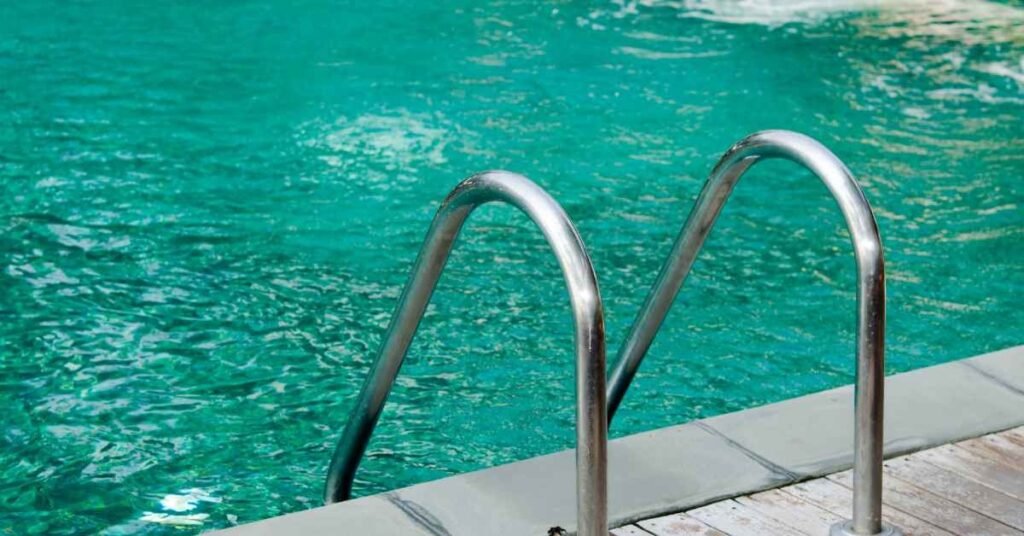
Another advantage is the clean appearance of a finished fibreglass pool. The smooth surface can contribute to a contemporary look and can work with a wide range of landscaping styles. Homeowners can surround the pool with paving, decking, planting, retaining features, or outdoor entertaining areas depending on the property. Rather than choosing a pool in isolation, it is useful to consider how the shell, surrounding materials, house exterior, and garden will work together. This approach helps create a backyard that feels intentionally designed rather than simply adding a pool to an existing space.
Finding the Right Pool Size and Shape
Size should be determined by both the physical property and the way the pool will be used. A larger pool may offer greater flexibility for swimming and family recreation, but it also requires more surrounding space and can have a stronger visual presence. A smaller pool may be better suited to homeowners who want a relaxing water feature without sacrificing most of their backyard. The ideal choice is therefore not necessarily the largest pool that fits the property. Instead, consider the activities that matter most and select a configuration that provides enough usable space while maintaining comfortable circulation around the installation.
Shape also influences how effectively a pool fits into the landscape. Straight-sided designs can complement modern architecture and make efficient use of rectangular areas, while other configurations may suit properties with more complex layouts. Consider where people will enter and leave the pool, where seating will be positioned, and how sunlight moves across the yard. These factors can affect both usability and appearance. A pool that looks attractive in isolation may not work well if it blocks a major access route or leaves insufficient space for the outdoor activities the household regularly enjoys.
Designing the Surrounding Outdoor Space
The area surrounding the pool can be just as important as the pool itself. A carefully designed pool zone can provide space for loungers, outdoor dining, shade, planting, and entertaining. Materials should be selected with practical outdoor use in mind, particularly around areas that may become wet. Good circulation paths can make it easier for people to move between the house, pool, garden, and other outdoor spaces. Landscaping can also help establish privacy and soften the transition between the pool structure and the rest of the property.
Lighting deserves attention during the planning stage. Appropriate pool and landscape lighting can improve visibility and allow the area to remain useful after dark. It can also create a more inviting atmosphere for evening gatherings. Similarly, planting can be used to frame views, provide privacy, and introduce texture around hard surfaces. The most successful pool environments usually balance practical requirements with visual appeal, ensuring the space remains easy to maintain while still feeling like a natural extension of the home.
Maintenance and Long-Term Use
Pool ownership requires regular attention regardless of the construction type. Water chemistry, filtration, cleaning, equipment checks, and general upkeep all contribute to a healthy and comfortable swimming environment. Establishing a consistent maintenance routine can help prevent small issues from developing into more expensive problems. Homeowners should also understand what maintenance equipment will be required and where it will be located. Keeping equipment accessible for servicing can make routine care considerably easier over the long term.
Seasonal use should also be considered. Some households may want to use the pool primarily during warmer periods, while others may want to extend the swimming season with heating. A suitable pool cover can help reduce debris entering the water when the pool is not being used and may also support easier maintenance. The right approach depends on household preferences, budget, climate, and how frequently the pool will be used. Thinking about these factors before installation can lead to more practical equipment and feature choices.
Making the Investment Work for Your Property
A swimming pool is a significant addition to a home, so the design should complement the property rather than simply fill available space. Consider how the pool will affect the appearance of the backyard, access to other outdoor areas, privacy, landscaping, and future use of the property. A thoughtful design can create a strong connection between indoor and outdoor living spaces and make the backyard considerably more versatile.
For homeowners researching Pukekohe swimming pools, the best starting point is to define their priorities clearly. Establish the available space, identify how the pool will be used, determine the preferred maintenance level, and consider which features genuinely add value for the household. From there, pool size, shape, construction type, landscaping, equipment, and finishing details can be evaluated as part of one complete plan. This method makes the decision more manageable and increases the likelihood of creating a pool area that is attractive, functional, and suited to everyday life.