Modern electrical systems require dependable protection to prevent faults from causing equipment damage, costly downtime, or unsafe operating conditions. As electrical networks become more complex, industries need devices that can monitor electrical parameters and respond appropriately when abnormal conditions occur. A Protection Relay plays an important role in detecting faults and initiating protective actions, while an immr relay can be used for specific motor and electrical protection applications. Their use cases extend across industrial plants, commercial facilities, utilities, infrastructure, agriculture, and other power-intensive environments.
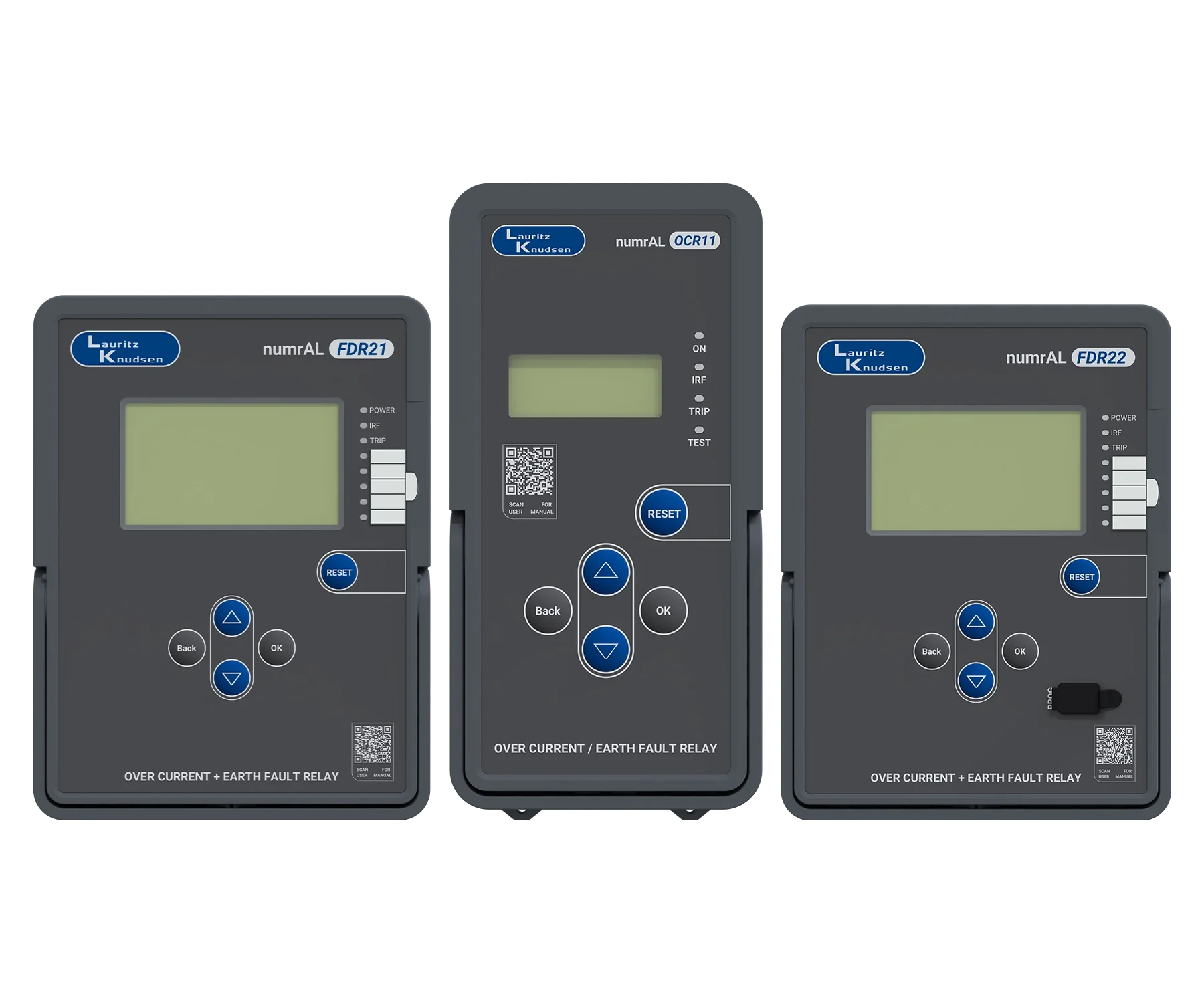
Protecting Industrial Electrical Equipment
Industrial facilities operate motors, generators, transformers, pumps, compressors, and other electrical equipment for extended periods. Any fault in these systems can interrupt production and potentially damage expensive components.
A Protection Relay can continuously monitor electrical conditions and identify abnormalities based on configured operating parameters. When a fault is detected, it can send a trip signal to the associated switching device, helping isolate the affected section of the electrical network.
Common industrial applications include:
- Manufacturing facilities
- Processing plants
- Motor-driven production lines
- Pumping stations
- Heavy electrical installations
- Industrial utility systems
The protection scheme is selected according to the equipment rating, system configuration, fault characteristics, and required level of selectivity.
Motor Protection Applications
Electric motors are among the most frequently used electrical machines in industrial environments. They power conveyors, pumps, fans, compressors, mixers, and numerous other systems. Motor faults can result from excessive current, phase-related issues, overload conditions, or other abnormal operating situations.
An immr relay can be incorporated into suitable motor protection arrangements to monitor operating conditions and support protective action when predefined limits are exceeded.
Motor protection can help address conditions such as:
- Overload
- Phase-related abnormalities
- Excessive current
- Prolonged abnormal operation
- Other configured fault conditions
Proper settings are important because protection that is too sensitive may cause unnecessary trips, while insufficient protection may not adequately safeguard the equipment.
Transformer Protection
Transformers are essential for changing voltage levels within electrical distribution networks. Because transformers can represent a significant investment and often serve important sections of an electrical system, appropriate protection is necessary.
A Protection Relay can be used as part of a transformer protection scheme to monitor electrical parameters and identify abnormal conditions. Depending on the transformer and system design, different protective functions may be incorporated.
Potential applications include:
- Industrial transformers
- Distribution transformers
- Substation transformers
- Facility-level transformers
- Auxiliary transformers
The protection arrangement should be coordinated with upstream and downstream devices so that faults can be isolated efficiently without unnecessarily affecting healthy parts of the network.
Pumping and Water Treatment Facilities
Water treatment plants and pumping stations depend on motors to move, circulate, and process water. These installations may contain several motors operating simultaneously, making reliable protection particularly important.
An immr relay can be used in appropriate motor protection applications to monitor operating conditions. If the motor experiences a condition outside its configured limits, the relay can initiate the required protective response.
Typical applications include:
- Water pumping stations
- Irrigation pumps
- Water treatment systems
- Drainage systems
- Wastewater facilities
- Booster pumping installations
Protecting these motors can help reduce the possibility of prolonged operation under abnormal conditions and support the overall reliability of the water management system.
Generator Protection
Generators are used to provide electrical power in different applications, including backup systems, industrial facilities, and infrastructure installations. Since generators can supply critical electrical loads, their protection needs to be carefully considered.
A Protection Relay can monitor electrical parameters associated with generator operation and identify configured abnormal conditions. Depending on the system architecture, it can form part of a broader generator protection arrangement.
Important considerations include:
- Generator capacity
- Voltage level
- Connected load
- Fault current
- Operating conditions
- Coordination with other protective devices
A properly engineered protection system can help reduce the impact of electrical faults and support dependable generator operation.
Agricultural Applications
Agricultural operations increasingly rely on electrically powered equipment for irrigation, water pumping, ventilation, crop processing, and storage. Motors used in these applications may operate for long periods and can be exposed to varying operating conditions.
An immr relay can be suitable for selected motor protection applications in agricultural installations. It can help monitor electrical conditions and provide protective action when the operating parameters exceed configured thresholds.
Agricultural use cases may include:
- Irrigation pumping systems
- Agricultural processing equipment
- Greenhouse ventilation
- Water distribution systems
- Farm utility installations
Choosing suitable protection requires consideration of the motor rating, supply characteristics, environmental conditions, and operating cycle.
Commercial Building Electrical Systems
Commercial buildings contain numerous electrical loads, including pumps, ventilation systems, elevators, air-conditioning equipment, and other machinery. An electrical fault affecting one part of the system can disrupt building operations.
A Protection Relay can be integrated into appropriate electrical protection arrangements to monitor circuits and equipment. Its use can help identify abnormal conditions and support selective isolation of affected sections.
This can be particularly relevant in:
- Large office buildings
- Shopping facilities
- Institutional buildings
- Commercial complexes
- Large service facilities
Protection coordination is especially important in larger buildings because multiple electrical distribution levels may be interconnected.
Infrastructure and Utility Projects
Infrastructure projects often depend on electrical systems for essential operations. Transportation facilities, pumping installations, public utilities, and other large projects may contain motors, transformers, generators, and distribution equipment.
A protection device can form an important part of the overall electrical safety strategy. By monitoring specific electrical parameters, it can help identify abnormal operating conditions before they result in more extensive system problems.
Infrastructure applications can involve:
- Power distribution systems
- Pumping infrastructure
- Utility installations
- Transportation-related electrical systems
- Public infrastructure facilities
The protection design should be developed according to the characteristics and criticality of each electrical load.
Supporting Preventive Maintenance
Protection equipment can also contribute to better electrical system management. When abnormal electrical conditions are detected, the resulting information or trip events can help maintenance teams investigate potential problems.
For example, repeated protective operations may indicate an underlying issue involving:
- Motor loading
- Electrical connections
- Insulation
- Supply conditions
- Mechanical loading
- Equipment deterioration
Investigating these events can help facility teams identify recurring problems and determine whether corrective maintenance is required.
Improving Electrical System Reliability
The primary purpose of protection is not simply to disconnect equipment during a fault. A well-designed protection system aims to isolate the affected portion while keeping the remaining electrical network operational wherever possible.
This requires careful coordination between protective devices, switching equipment, cables, transformers, motors, and other components.
Key factors to consider when selecting protection equipment
| Factor | Importance |
| Equipment rating | Ensures suitable protection capacity |
| Fault current | Helps determine required protection characteristics |
| Load type | Influences protection settings |
| System voltage | Determines compatibility |
| Coordination | Helps achieve selective fault isolation |
| Environment | Influences installation requirements |
| Maintenance | Supports long-term reliability |
Engineers should evaluate the complete electrical system rather than selecting a protective device based solely on the rating of an individual component.
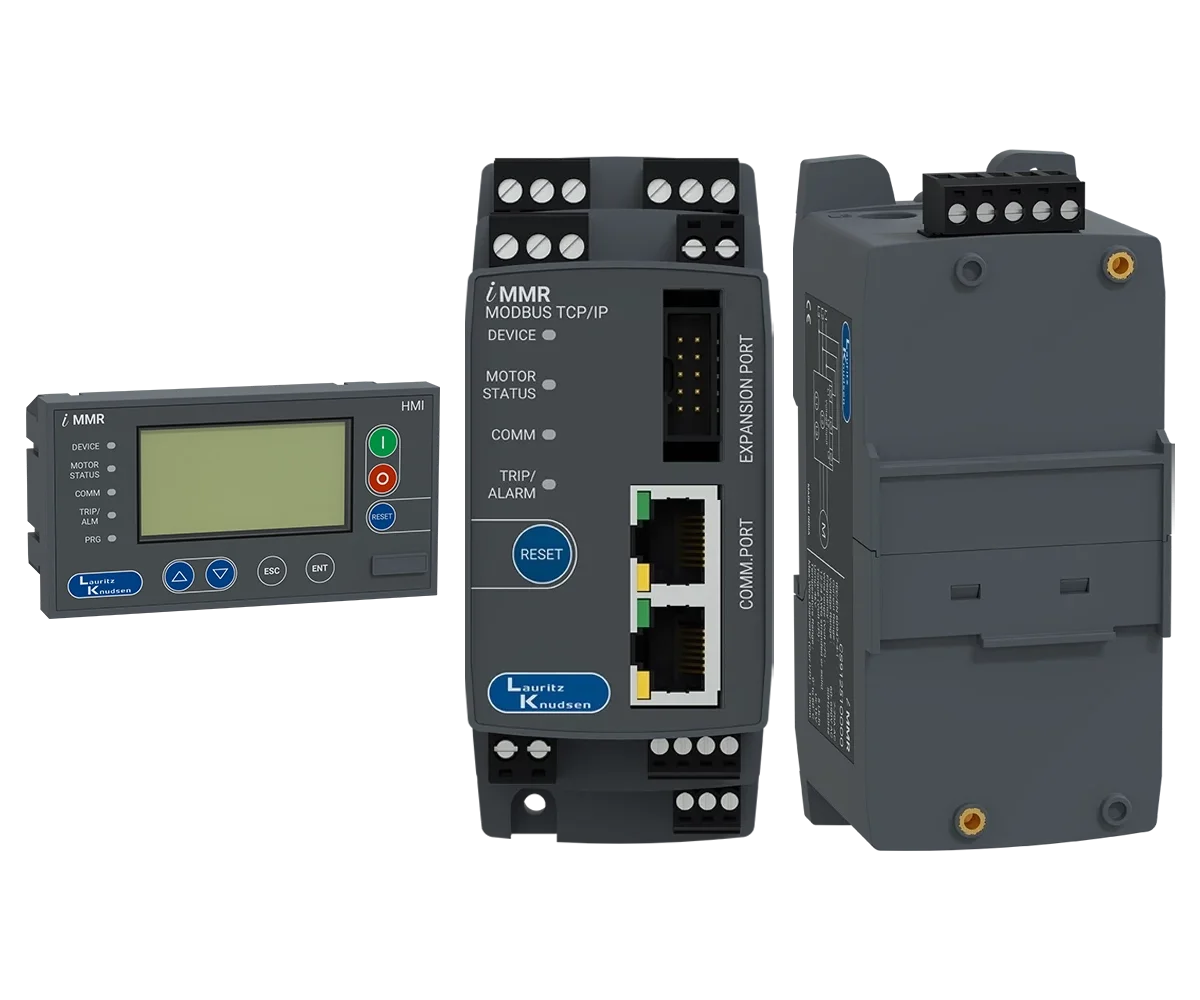
Choosing the Right Protection Solution
Different electrical applications have different protection requirements. A small motor installation may need a relatively straightforward protection arrangement, while a large industrial network may require multiple protective functions working together.
Before selecting equipment, professionals should evaluate:
- The nature of the electrical load.
- Normal operating conditions.
- Possible fault conditions.
- Required response time.
- System coordination requirements.
- Installation and environmental conditions.
- Future expansion requirements.
Correct installation, commissioning, testing, and periodic maintenance are equally important for ensuring that protective equipment performs as intended.
Conclusion
Electrical protection is fundamental to maintaining safe and reliable power systems across industrial, commercial, agricultural, and infrastructure applications. A Protection Relay can monitor electrical conditions and support the isolation of faults, while an immr relay can serve suitable motor protection requirements across applications such as pumping, agriculture, and industrial operations. Selecting the appropriate solution requires careful consideration of load characteristics, fault levels, coordination, operating conditions, and maintenance needs. With more than 70 years of industry legacy and a strong manufacturing footprint, Lauritz Knudsen Electrical & Automation continues to contribute to India’s evolving electrical landscape across residential, agricultural, commercial, infrastructural, and industrial sectors.