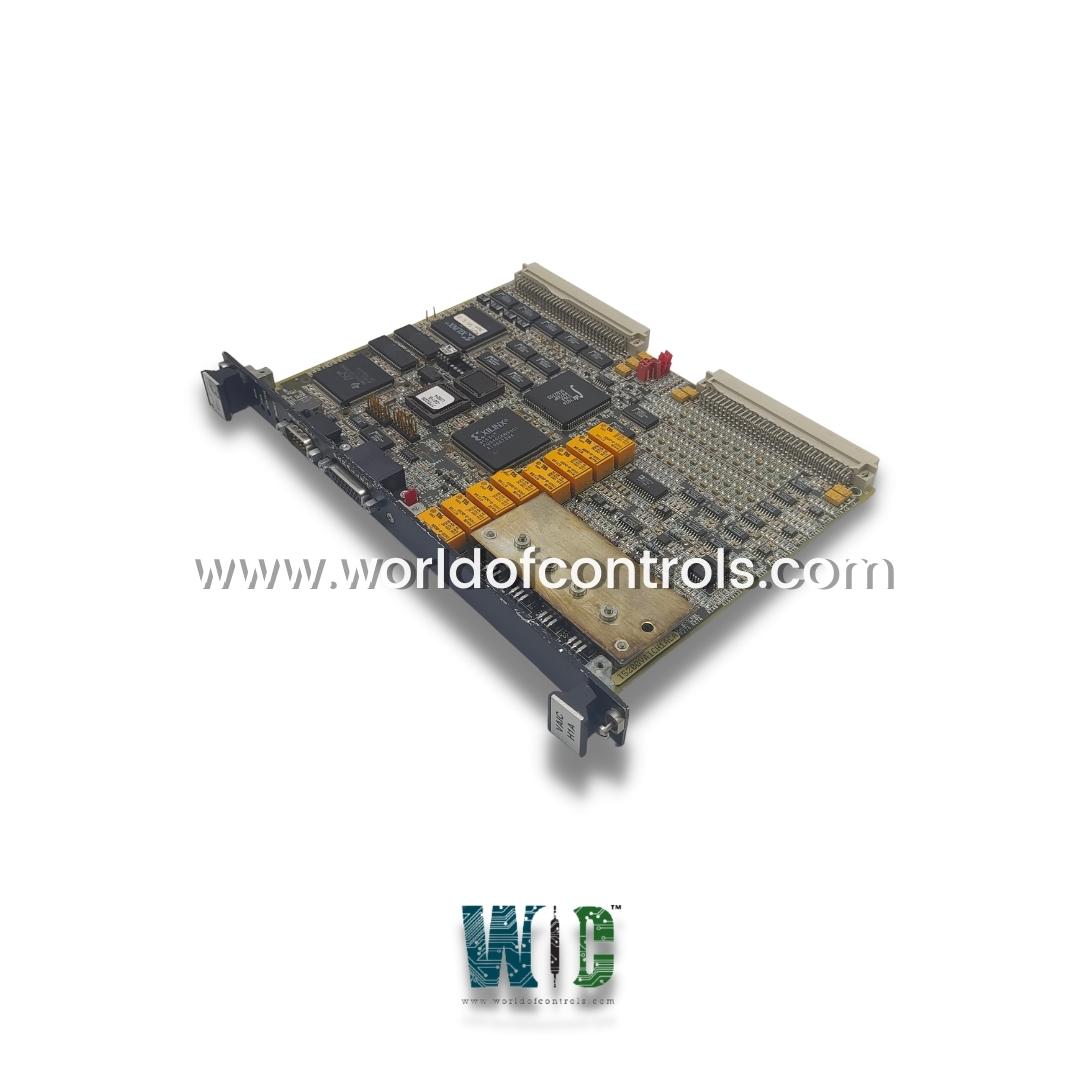
Modern gas and steam turbines operate in high-stress environments where performance, safety, and efficiency depend on extremely accurate signal processing. At the heart of this control ecosystem are analog input/output (I/O) modules, including GE’s VAIC (Voltage/Analog Input Control) modules. These components ensure that real-world turbine conditions are accurately translated into control system data, enabling precise operation and reliable protection functions.
This article explores how GE VAIC control modules support turbine precision and protection, and how they fit into modern industrial turbine control architectures.
The Role of VAIC Modules in Turbine Control Systems
VAIC modules are key elements in GE’s turbine control platforms, commonly used in systems such as Mark VI and Mark VIe. Their primary responsibility is to interface with field instrumentation and manage analog signals generated by turbine sensors.
These sensors continuously measure critical parameters such as:
- Temperature at various turbine stages
- Pressure in fuel and air systems
- Vibration levels in rotating equipment
- Flow rates and mechanical positioning
The VAIC module processes these analog inputs, conditions the signals, and transmits them to the turbine controller. The controller then uses this data to regulate combustion, adjust load, and ensure safe operation.
In simple terms, VAIC modules act as the communication bridge between physical turbine behavior and digital control logic.
Understanding GE VAIC Control Modules in Context
Within a turbine control system, VAIC modules are not standalone controllers but specialized signal processing units. They are designed to operate within a larger control rack, working alongside other I/O and processing modules.
Their primary role includes:
- Analog signal acquisition from field devices
- Signal conditioning and filtering
- Accurate data conversion for controller use
- Reliable transmission under industrial conditions
A commonly used configuration within this family is known for its high reliability and suitability for harsh turbine environments, where electrical noise, temperature variation, and vibration are constant challenges.
Precision in Turbine Performance
Precision is a fundamental requirement in turbine operation. Even minor inaccuracies in sensor data can lead to inefficiencies, increased emissions, or mechanical stress. VAIC modules help maintain precision through:
- High-resolution analog-to-digital conversion
- Noise filtering in electrically harsh environments
- Stable signal handling across long-distance wiring
- Consistent calibration across multiple input channels
This level of accuracy allows turbine control systems to finely adjust key parameters such as fuel flow, air intake, and combustion balance. As a result, turbines operate closer to optimal efficiency while maintaining regulatory compliance.
Protection and Safety Functions
Beyond precision, VAIC modules play a crucial role in turbine protection systems. Turbines must respond instantly to abnormal operating conditions to prevent damage or unsafe operation.
VAIC modules support protection by:
- Continuously monitoring real-time sensor data
- Detecting abnormal signal patterns or threshold violations
- Sending rapid alerts to the control system
- Supporting shutdown or load-reduction actions when required
When integrated into a redundant control architecture, these modules help eliminate single points of failure, significantly improving system safety and reliability.
Integration in Modern Turbine Architectures
In modern GE turbine control systems, VAIC modules are part of a distributed control architecture. Instead of relying on a single central processor, control functions are distributed across multiple modules.
This architecture provides several advantages:
- Improved system reliability and redundancy
- Faster response to field conditions
- Easier maintenance and module replacement
- Scalable system design for different turbine sizes
If one module fails or behaves unexpectedly, redundant pathways ensure that the turbine can either continue operating safely or transition into a controlled shutdown mode.
Conclusion
GE VAIC control modules are essential components in modern turbine automation systems, providing the critical link between physical turbine conditions and digital control intelligence. By ensuring accurate signal processing and enabling robust protection mechanisms, they help turbines operate safely, efficiently, and reliably.
As turbine systems continue to evolve toward greater digital integration and performance optimization, VAIC technology remains a foundational element in ensuring precision control and operational safety across industrial power generation systems.