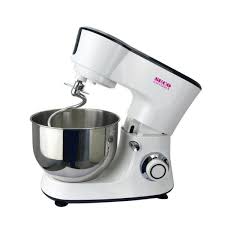
This equipment suits homes, pizza shops, cafés, bakeries, hotels, caterers, and commercial kitchens. It can also help appliance retailers and e-commerce sellers serve buyers more confidently. This 2026 guide explains machine types, benefits, capacity, features, price factors, care, and practical buying tips.
What Is a Pizza Dough Maker Machine?
A Pizza Dough Maker Machine is an electric appliance that combines ingredients and kneads them into smooth, elastic dough. It normally uses a hook, spiral tool, paddle, or rotating bowl to stretch and fold the mixture.
A small home unit is suitable for family meals and occasional baking. A commercial pizza dough mixer is built for larger batches, longer working hours, and heavier dough. Basic models mix and knead, while advanced options may offer speed controls, timers, automatic programs, overload protection, or fermentation settings.
The main advantage is repeatability. When ingredients, temperature, time, and batch weight stay controlled, the finished dough becomes easier to manage.
How Does a Pizza Dough Maker Machine Work?
Using a Pizza Dough Maker Machine normally involves six steps:
- Add measured ingredients to the bowl.
- Secure the bowl and attachment.
- Select the correct speed or program.
- Allow the hook and bowl to blend the mixture.
- Knead until the dough becomes smooth and elastic.
- Remove it for resting or fermentation.
Settings vary by model. KitchenAid, for example, advises using speed 2 for yeast dough on its stand mixers. Commercial equipment has separate capacity and speed charts. Follow the maker’s manual instead of applying one setting to every appliance. Adding cannot repair a poor recipe, but it makes a proven recipe easier to repeat.
Main Types of Pizza Dough Maker Machines
The correct machine depends on batch size, kitchen space, menu, and daily workload.
Home Dough Maker
This compact option suits beginners, families, and occasional pizza makers. It is easy to store and usually affordable, but it may not handle stiff dough or nonstop use.
Stand Mixer With Dough Hook
A stand mixer can knead dough, mix batter, and whip cream. It is useful when versatility matters more than high-volume production.
Spiral Dough Mixer
A spiral mixer is designed mainly for bread and pizza dough. Its hook works with a rotating bowl to knead gently. Manufacturers explain that this movement can reduce friction and limit dough-temperature rise, supporting controlled yeast activity and consistent results. Mixer
A planetary mixer keeps the bowl still while the attachment travels around it. Different tools allow kneading, beating, blending, and whipping.
It is flexible, although a spiral model may be better for a business producing dough throughout the day.
Automatic Dough-Making Machine
An automatic pizza dough maker reduces manual work through preset controls. Current models may include digital timers, multiple speed levels, displays, and motor protection.
Compact spiral-style machines are a clear 2026 trend for serious home users and smaller food businesses. l Pizza Dough Mixer
A heavy-duty pizza dough-making machine serves restaurants, hotels, bakeries, catering companies, and busy pizza shops. It may include dual motors, strong frames, safety guards, timers, and reverse bowl movement.
Benefits of Using a Pizza Dough Maker Machine
The right mixer can improve dough quality and kitchen workflow.
Faster Preparation
Automatic mixing removes repetitive work. Staff can prepare sauce, toppings, packaging, or other menu items while the dough develops.
This can be especially useful during busy hours when several kitchen tasks must be completed at the same time.
Consistent Dough
Controlled mixing supports repeatable texture and crust quality. This is important when customers expect the same taste, softness, and crust structure with every order.
Less Physical Effort
Large or stiff batches are difficult to knead by hand. An electric dough maker machine reduces strain and supports frequent production.
Higher Output
Restaurants and pizza shops can prepare bigger batches before busy periods. This reduces preparation delays when customer orders suddenly increase.
More Recipe Options
Depending on its design, the machine may prepare bread, naan, buns, rolls, flatbreads, pastries, and other yeast-based doughs.
Always confirm supported recipes in the product manual before mixing dense or low-hydration dough.
Important Features to Consider
Do not choose a Pizza Dough Maker Machine from appearance alone.
Bowl and Dough Capacity
Bowl volume does not always equal usable dough capacity. Commercial capacity can change with hydration, flour type, water temperature, and mixing time.
Globe defines absorption ratio as water weight divided by flour weight and tells users to check it before loading pizza or bread dough. A large bowl does not automatically guarantee that the machine can handle a large quantity of stiff pizza dough.
Motor and Duty Cycle
The motor should handle your normal dough weight without overheating, slowing down, or producing unusual noise.
Confirm whether the model is approved for occasional, repeated, or continuous operation. A domestic motor may perform well for one family batch but struggle in a restaurant preparing dough throughout the day.
Speed Controls
Low speed combines ingredients with less flour movement. Higher settings may support gluten development, but each machine has limits.
Useful controls should be clear, easy to reach, and stable when the machine is carrying a heavy load.
Hook and Attachments
Look for food-safe, corrosion-resistant parts. A spiral hook suits pizza dough, while paddles and whisks add versatility.
Check whether replacements can be purchased locally. An uncommon attachment may be difficult or expensive to replace later.
Timer and Programs
A timer helps repeat mixing periods and reduces the risk of overmixing. Digital programs are convenient, but simple controls may be easier and cheaper to maintain.
Build and Stability
Inspect the frame, bowl lock, feet, ventilation, and working clearance. A stable base reduces movement and noise.
There should also be enough room to add ingredients, remove the bowl, clean the machine, and access it for future servicing.
Safety Features
Commercial buyers should inspect the bowl guard, safety interlock, overload protection, emergency stop, and power switch.
OSHA requires protection from rotating mixer hazards, and some commercial machines stop automatically when the guard opens. Never place their hands, spoons, or tools inside a moving bowl.
Cleaning and Sanitation
Smooth food-contact surfaces and removable parts save cleaning time. NSF/ANSI 8 addresses sanitation requirements for powered commercial food-preparation equipment, including mixers.
Recognized certification can therefore be a useful trust signal when comparing commercial models. Commercial Pizza Dough Maker Machine
| Feature | Home Machine | Commercial Machine |
| Capacity | Small batches | Medium to large batches |
| Motor | Light or moderate use | Heavy-duty use |
| Size | Compact | Countertop or floor unit |
| Price | Lower initial cost | Higher investment |
| Usage | Home preparation | Repeated business production |
| Maintenance | Basic care | Regular inspection and service |
A home baker should not pay for capacity that will never be used. A busy restaurant should not depend on a domestic mixer operating beyond its approved limit.
Match the equipment to the real workload, not the largest bowl shown in an advertisement.
How to Choose the Right Machine
Before buying a Pizza Dough Maker Machine, calculate the finished dough needed per batch and per day.
Start with the number and size of pizzas prepared. A kitchen selling 20 pizzas daily has different needs from a restaurant producing hundreds of pizza bases.
Check recipe hydration because stiff dough can place more load on a motor than softer dough. Compare the stated dough capacity, not only bowl volume.
Some commercial capacity charts also require smaller loads when high-gluten flour or very cold water is used. Buying points:
- Available counter or floor space
- Electrical voltage and power supply
- Maximum mixing time
- Recommended rest periods
- Dough hydration and flour type
- Machine noise and stability
- Cleaning requirements
- Warranty conditions
- Spare-parts availability
- Local technical support
- Shipping and installation costs
- Expected business growth
From an equipment-buying viewpoint, dependable after-sales support is often worth more than one extra speed setting.
A trustworthy supplier should provide an operating manual, realistic capacity guidance, warranty details, installation advice, and access to replacement parts.
Pizza Dough Maker Machine Price Factors
The price of a Pizza Dough Maker Machine depends on brand, capacity, motor design, construction material, controls, attachments, warranty, manufacturing country, shipping, and installation.
Home units normally cost less because they handle smaller batches and shorter operating periods. Commercial mixers cost more due to stronger frames, motors, gears, safety systems, and service requirements.
Avoid fixed-price claims without current local research. Exchange rates, freight charges, taxes, dealer margins, and installation services can quickly change the final cost.
The cheapest choice may offer poor long-term value if it overheats, lacks spare parts, or cannot handle the required dough quantity.
Consider the total ownership cost rather than focusing only on the purchase price.
Cleaning and Maintenance Tips
Proper care protects machine performance and dough quality.
- Disconnect the power before cleaning.
- Remove leftover dough before it dries.
- Wash removable bowls and attachments after use.
- Keep water away from the motor and controls.
- Inspect the hook, bowl lock, guard, and power cable.
- Never exceed the stated batch capacity.
- Keep ventilation openings clear.
- Follow lubrication and service instructions.
- Arrange repairs when unusual noise, heat, or movement appears.
Never reach into a moving bowl. Stop and disconnect the machine before removing stuck dough or checking an attachment.
Do not use sharp objects to scrape dough from coated or polished surfaces. They may cause damage and create areas where food particles can collect.
Common Buying Mistakes to Avoid
A common mistake is choosing a mixer by bowl size alone. Buyers may also ignore dough hydration, select a weak motor, fail to check voltage, or purchase a design that is difficult to clean.
Other costly mistakes include:
- Focusing only on the lowest price
- Ignoring safety guards
- Skipping warranty details
- Failing to check spare-parts availability
- Buying more capacity than the kitchen needs
- Using a domestic appliance for nonstop production
- Ignoring installation and delivery expenses
Do not use a home appliance for continuous commercial work unless the manufacturer clearly allows it.
Frequently Asked Questions
Is a pizza dough maker useful at home?
Yes. It saves physical effort and helps produce repeatable batches. Choose a compact model that matches your normal recipes, counter space, and storage area.
What size machine is suitable for a pizza shop?
Base the choice on finished dough weight, peak-hour demand, recipe hydration, and daily mixing cycles. Ask the supplier for a pizza-specific capacity chart before purchasing.
Can it prepare bread and naan dough?
Usually, yes, when those recipes are supported by the manufacturer. Check capacity carefully because stiff naan or bread dough may create a heavier motor load.
Is a spiral mixer better for pizza dough?
A spiral mixer is often better for frequent dough production because it is designed for kneading and temperature control. A planetary mixer is more suitable when one machine must perform several kitchen tasks.
How long does machine kneading take?
Kneading often takes only several minutes, but there is no universal time. Flour strength, hydration, batch weight, mixer type, speed, and desired dough temperature affect the result.
Final Thoughts
The right Pizza Dough Maker Machine can save time, reduce physical work, improve consistency, and support smoother kitchen operations. The best choice is not always the largest or most expensive model.
Compare usable dough capacity, motor strength, machine type, controls, safety features, cleaning requirements, warranty, and local service. Then match those details with your real production needs.
CTA: Measure your daily dough requirement and available kitchen space. Then compare dependable machines from suppliers that offer clear capacity charts, warranty coverage, spare parts, and reliable technical support.