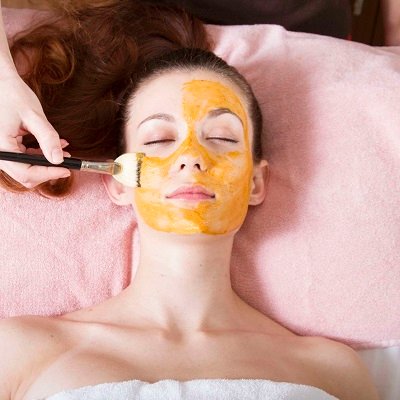
When skin starts to look dull, tired, or unusually flat, the problem is not always a lack of sleep or a poor skincare routine. Environmental exposure, accumulated dead skin cells, dehydration, pollution, and natural skin changes can all affect how bright and smooth the complexion appears. For people looking for a gentle way to refresh the skin, an Organic Peel in Oman may be an option worth exploring.
Organic peels are designed to improve the appearance and texture of the skin by using naturally derived ingredients, often including fruit acids, botanical extracts, enzymes, or other plant-based components. Depending on the formulation and concentration, these treatments can help loosen dead skin cells and encourage a smoother-looking complexion.
However, “organic” does not automatically mean that a treatment is suitable for every person or every skin type. A professional skin assessment is important before choosing a peel, particularly for individuals with sensitive skin, active breakouts, pigmentation concerns, or a history of skin reactions.
What Causes Skin to Look Lifeless and Flat?
Healthy skin naturally sheds dead cells from its surface. Over time, however, some of these cells can remain on the outer layer, contributing to a rough or uneven appearance. When combined with dehydration and environmental stress, the complexion may begin to look less radiant.
Oman’s climate can also create challenges for maintaining comfortable, healthy-looking skin. Strong sunlight, heat, dry conditions, and frequent exposure to air-conditioned environments can contribute to moisture loss and visible dullness. Dust and environmental pollutants may further settle on the skin, making it appear tired.
Other factors can include:
- Irregular or insufficient sleep
- Dehydrated skin
- Excessive sun exposure
- Accumulation of dead skin cells
- Hormonal changes
- Stress
- Smoking
- An inconsistent skincare routine
- Natural aging
- Certain acne or pigmentation concerns
A peel can address some surface-level factors, but it should not be viewed as a cure for every cause of dull skin. A proper evaluation helps determine whether exfoliation is appropriate or whether another skincare approach would be more useful.
How an Organic Peel Can Refresh Dull-Looking Skin
An organic peel works by applying a specially formulated exfoliating solution to the skin. Depending on the ingredients used, the solution may help loosen the bonds between dead skin cells, allowing them to shed more effectively.
This process can make the skin feel smoother and may improve the appearance of uneven texture. Some formulations may also support a brighter-looking complexion by removing the layer of cells that can make the skin appear less radiant.
The results depend heavily on the type and strength of the peel. A mild peel may provide subtle refreshing effects, while a stronger professional formulation may produce more noticeable peeling or exfoliation.
Potential cosmetic benefits can include:
- A fresher-looking complexion
- Smoother skin texture
- Improved surface softness
- More even-looking skin
- Reduced appearance of mild dullness
- A temporary boost in radiance
- Better-looking skin after dead surface cells are removed
It is important to remember that results are not identical for everyone. Skin type, age, lifestyle, the specific peel formula, and the condition being addressed can all influence the outcome.
What Ingredients Are Commonly Used in Organic Peels?
The term “organic peel” can refer to different types of formulations, so the ingredients may vary significantly. Some treatments use naturally derived acids or enzymes to exfoliate the skin.
Fruit-derived alpha hydroxy acids, such as lactic or citric acid, may be incorporated into certain exfoliating products. Other formulations can contain botanical extracts or enzymes derived from fruits.
Common ingredients may include:
Fruit acids: These can help exfoliate the outermost layer of the skin and improve the appearance of rough texture.
Lactic acid: Often considered a relatively gentle exfoliating acid, it can help remove dead skin cells while supporting a smoother appearance.
Citric acid: Derived from citrus sources, it may be included in formulations intended to refresh and brighten the complexion.
Fruit enzymes: Ingredients obtained from fruits such as papaya or pineapple may help break down surface proteins and assist exfoliation.
Botanical extracts: Plant-derived ingredients may be included for their soothing, antioxidant, or conditioning properties.
Despite their natural origins, these ingredients can still cause irritation when used incorrectly or at excessive concentrations. The word “organic” should therefore not be interpreted as a guarantee that a product will be completely irritation-free.
What Happens During an Organic Peel Treatment?
The treatment process generally begins with a skin assessment. This step is particularly important because the appropriate peel depends on the individual’s skin condition, sensitivity, and goals.
The skin is typically cleansed to remove makeup, oil, sunscreen, and surface impurities. The selected peel solution is then carefully applied according to the product’s recommended procedure.
During application, some people may notice mild tingling, warmth, or a temporary sensation of tightness. The experience varies depending on the peel’s formulation and concentration.
After the recommended application period, the solution may be removed or neutralized, depending on the type of peel. A soothing or moisturizing product may then be applied to help support the skin barrier.
A mild peel may involve little visible downtime. Stronger treatments can cause redness, dryness, flaking, or visible peeling for several days. The expected recovery period should be discussed before treatment so that the individual can plan accordingly.
Who May Consider an Organic Peel in Oman?
An organic peel may appeal to adults who want to improve the appearance of dull or uneven skin without immediately choosing a more intensive resurfacing procedure.
It may be considered by people concerned about:
- Dull-looking complexion
- Mild uneven texture
- Surface dryness
- Rough-feeling skin
- Minor signs of environmental stress
- A lack of visible radiance
However, suitability should always be determined on an individual basis. People with active skin infections, open wounds, significant irritation, severe sensitivity, or certain inflammatory skin conditions may need to postpone exfoliating treatments.
Individuals using prescription-strength exfoliating products or medications that increase skin sensitivity should also discuss their routine with a qualified skincare professional before receiving a peel.
Those with a history of unusual scarring, persistent pigmentation problems, or frequent skin reactions may require additional precautions.
Aftercare Tips for Better-Looking Results
Aftercare plays an important role in protecting freshly exfoliated skin. The skin may temporarily become more sensitive, making a gentle routine particularly important.
Sun protection is one of the most important considerations. Freshly exfoliated skin can be more vulnerable to environmental exposure, so broad-spectrum sunscreen and sensible sun-protection habits are essential.
A simple post-treatment routine may include:
- Using a gentle cleanser
- Applying a suitable moisturizer
- Wearing broad-spectrum sunscreen
- Avoiding unnecessary sun exposure
- Avoiding aggressive scrubbing
- Pausing harsh exfoliating products when advised
- Avoiding picking or pulling peeling skin
- Keeping the skin adequately moisturized
It is generally best to avoid combining multiple strong exfoliating treatments without professional guidance. Adding scrubs, strong acids, retinoids, or other potentially irritating products too soon may increase discomfort and prolong recovery.
The skin should be allowed to recover naturally rather than being forced to peel more quickly.
How Often Can an Organic Peel Be Done?
There is no universal schedule for organic peels. Frequency depends on the formulation, concentration, skin type, treatment objective, and how the skin responds.
A mild peel intended for surface refreshment may be performed more regularly than a stronger peel, but repeated exfoliation without adequate recovery can damage the skin barrier. Signs such as persistent burning, excessive dryness, significant redness, or prolonged irritation indicate that the skin may need more recovery time.
A qualified professional can recommend an appropriate treatment interval based on the individual’s skin condition. In some cases, a series of treatments may be suggested rather than a single session, particularly when the goal involves gradual improvement in texture or overall appearance.
Consistency with basic skincare and sun protection is also important. A peel can refresh the skin, but maintaining the results usually requires ongoing attention to hydration, cleansing, and protection from ultraviolet exposure.
Is an Organic Peel Safe?
When appropriately selected and professionally administered, many superficial peels can be well tolerated. Nevertheless, every exfoliating treatment carries some possibility of side effects.
Temporary redness, dryness, sensitivity, tightness, or mild peeling can occur. Inappropriate product selection or excessive exfoliation may lead to more significant irritation.
People with darker skin tones should also discuss pigmentation risks before undergoing a peel. Certain aggressive treatments or inflammatory reactions can sometimes trigger post-inflammatory hyperpigmentation.
Choosing a treatment based solely on the word “organic” is therefore not advisable. The formulation, concentration, application technique, skin assessment, and aftercare instructions all matter.
A patch test or other precaution may be recommended depending on the product and the individual’s history.
Making an Informed Choice About Organic Peel in Oman
For someone dealing with skin that looks lifeless and flat, an Organic Peel in Oman can be one approach to improving surface texture and restoring a fresher-looking appearance. Its main appeal is the ability to provide controlled exfoliation without necessarily requiring the downtime associated with more intensive resurfacing treatments.
Still, the best treatment is not always the strongest treatment. A personalized approach is usually more appropriate than choosing a peel simply because it is marketed as natural or organic.
Before treatment, individuals should ask about the ingredients being used, expected results, potential side effects, recovery time, aftercare, and whether the treatment is appropriate for their particular skin type.
Healthy-looking skin also depends on everyday habits. Regular sunscreen use, adequate hydration, gentle cleansing, balanced nutrition, sufficient rest, and avoiding unnecessary irritation can all contribute to a more comfortable and radiant complexion.
An organic peel may provide a useful cosmetic boost, but realistic expectations are essential. It can improve the appearance of the skin’s surface, while deeper or persistent concerns may require a different approach.
1. Is an organic peel suitable for sensitive skin?
Some mild organic peels may be suitable for sensitive skin, but not every formulation is appropriate. Sensitive skin can react even to naturally derived ingredients. A professional assessment can help determine whether a gentle peel is appropriate and what precautions may be necessary.
2. Does an organic peel make the skin brighter?
An organic peel may make the complexion appear brighter by removing accumulated dead skin cells from the surface. The degree of improvement varies according to the formulation, skin condition, and individual response.
3. How long does it take to see results after an organic peel?
Some people notice smoother or fresher-looking skin relatively soon after a mild treatment. More visible improvements may develop as the skin completes its natural renewal process. Stronger peels may require several days of recovery before the final appearance becomes clear.
4. Can an organic peel help with uneven skin texture?
Yes, exfoliation can help improve the appearance of mild surface roughness and uneven texture. However, deeper scars, pronounced pigmentation, or significant skin conditions may require treatments specifically designed for those concerns.
5. Can someone use skincare products immediately after an organic peel?
A gentle moisturizer and sunscreen are commonly important after treatment, but strong active ingredients may need to be paused temporarily. The appropriate aftercare depends on the peel used and should follow professional instructions.
6. Is an organic peel the same as a chemical peel?
Not necessarily. “Organic peel” generally describes a peel using naturally derived or plant-based ingredients, while “chemical peel” is a broader term describing exfoliating treatments that use specific chemical agents. Some naturally derived acids are still chemically active exfoliating ingredients, so the terms can overlap.
Read More About Organic Peel: https://autopedia.co.uk/events/oman/muscat/muscat-1/can-organic-peel-help-restore-a-more-even-complexion/