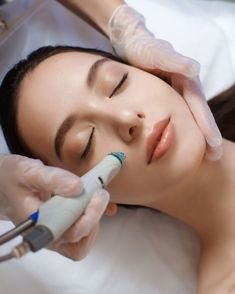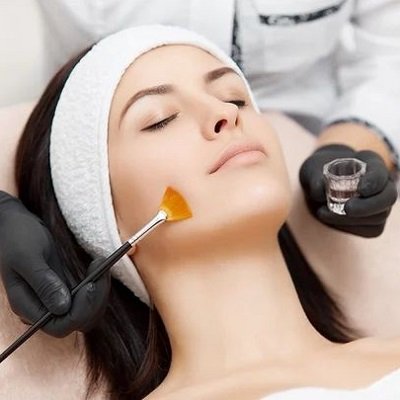
Pigmentation is one of the most common skin concerns, and it can affect people with almost every skin type and tone. Dark spots, uneven patches, sun spots, post-acne marks, and areas of discoloration can develop for many reasons, including sun exposure, hormonal changes, inflammation, and previous skin irritation. While pigmentation is usually not harmful, it can make the complexion appear uneven and may affect how confident a person feels about their skin.
An Organic Peel is one professional skincare treatment that may help improve the appearance of certain types of pigmentation. These peels typically use naturally derived ingredients, botanical extracts, enzymes, or plant-based acids to encourage surface exfoliation and support a brighter-looking complexion. However, the term “organic peel” can describe different formulations, so the actual ingredients and strength can vary significantly.
Understanding how an Organic Peel works, what pigmentation it may help with, and what results can realistically be expected can help individuals make more informed skincare decisions.
What Is an Organic Peel?
An Organic Peel is a type of exfoliating facial treatment designed to remove or loosen dead skin cells from the outermost layer of the skin. Depending on the formulation, it may contain fruit enzymes, botanical ingredients, naturally derived acids, or other exfoliating compounds.
The main goal is to encourage the shedding of dull or damaged surface cells and support the appearance of smoother, fresher skin underneath. Some formulations may also contain ingredients intended to soothe the skin or support a more balanced-looking complexion.
Unlike the word “organic” might suggest, an Organic Peel is not automatically suitable for everyone simply because its ingredients are plant-derived. Natural ingredients can still cause irritation or sensitivity, particularly when used at higher concentrations or on compromised skin.
For pigmentation concerns, the treatment is generally considered part of a broader skincare approach rather than a guaranteed solution. Pigmentation can originate at different depths and have different causes, which means the appropriate treatment depends on the individual’s skin and the type of discoloration present.
Can an Organic Peel Help With Pigmentation?
An Organic Peel may help improve the appearance of superficial pigmentation by promoting exfoliation and skin renewal. When dead and unevenly pigmented surface cells are removed, the skin can appear brighter and more uniform.
It may be particularly useful for concerns such as:
- Mild sun-related discoloration
- Dull-looking skin with uneven tone
- Some post-acne marks
- Superficial dark spots
- Uneven complexion caused by accumulated dead skin cells
The effectiveness depends on the cause, depth, severity, and type of pigmentation. For example, pigmentation left behind after acne may respond differently from pigmentation associated with hormonal changes.
It is also important to understand that exfoliation does not necessarily eliminate the underlying reason pigmentation developed. If excessive sun exposure continues, for instance, new discoloration may develop even after a successful treatment.
For this reason, an Organic Peel is often most useful when combined with appropriate daily skincare and consistent sun protection.
How Does an Organic Peel Work on Dark Spots?
The skin naturally sheds old cells as part of its renewal process. However, dead cells can accumulate on the surface, contributing to a rough, dull, or uneven appearance. An Organic Peel can accelerate this exfoliation process.
Depending on its ingredients, the peel may work by loosening the bonds between dead skin cells or by using enzymes to break down surface proteins. Once these cells are shed, the complexion may look smoother and more radiant.
Some peel formulations may also support other aspects of skin appearance. For example, certain botanical ingredients are commonly included for their antioxidant or soothing properties.
With repeated, appropriately spaced treatments, the overall appearance of superficial discoloration may gradually become less noticeable. However, stronger peeling is not necessarily better. Excessive exfoliation can irritate the skin and potentially contribute to post-inflammatory hyperpigmentation, especially in individuals whose skin is prone to dark marks after irritation.
A gradual approach is therefore generally preferable to aggressive treatment.
What Types of Pigmentation May Benefit?
Not every form of pigmentation responds in the same way to exfoliating treatments. Understanding the difference can help set realistic expectations.
Post-Acne Marks
Dark marks that remain after an acne lesion has healed are often caused by increased melanin production following inflammation. When the discoloration is relatively superficial, exfoliating treatments may help the marks fade gradually as pigmented surface cells are replaced.
However, preventing new acne and reducing inflammation remain important. Treating existing marks without addressing recurring breakouts may result in continued pigmentation.
Sun-Related Spots
Frequent ultraviolet exposure can contribute to uneven pigmentation and visible sun spots. An Organic Peel may improve the appearance of some superficial sun-related discoloration by removing pigmented surface cells.
Daily sunscreen remains essential because continued ultraviolet exposure can encourage additional pigmentation.
Uneven Skin Tone
Some people do not have clearly defined dark spots but instead notice that certain areas of the face look darker or less uniform. In these situations, gentle exfoliation may improve brightness and texture, making the complexion appear more even.
Hormonal Pigmentation
Pigmentation associated with hormonal changes can be more persistent and may involve deeper or recurring pigment production. An Organic Peel may sometimes improve surface appearance, but it should not be viewed as a guaranteed treatment for hormonal pigmentation.
Individuals with persistent or worsening discoloration should seek an appropriate professional skin assessment before beginning a treatment program.
What Can Someone Expect After an Organic Peel?
The immediate experience depends on the formulation and individual skin sensitivity. Some people may notice mild warmth, tingling, tightness, or temporary redness following treatment. Others may experience little visible reaction.
After an Organic Peel, the skin may look fresher and brighter once the initial sensitivity settles. Some formulations can cause mild flaking or peeling during the following days, while others may produce little or no visible peeling.
Results also vary. One treatment may create a temporary improvement in brightness, while pigmentation concerns often require a consistent skincare routine and multiple appropriately timed treatments.
A realistic expectation is gradual improvement rather than instant removal of every dark spot.
It is also important to avoid judging the outcome too quickly. Skin needs time to recover and renew itself. Attempting to speed up the process by using multiple exfoliating products immediately afterward can increase irritation and may work against the desired result.
How to Care for Skin After an Organic Peel
Post-treatment care can have a significant effect on comfort and the appearance of the skin. The skin may be temporarily more sensitive after exfoliation, so a simple routine is often preferable.
A gentle cleanser can help keep the skin clean without excessive friction. A suitable moisturizer can support the skin barrier and reduce feelings of dryness or tightness.
Most importantly, sun protection should be a daily priority. Ultraviolet exposure can worsen pigmentation and may make it harder to maintain improvements achieved through exfoliation. A broad-spectrum sunscreen should be applied consistently, with additional protection such as shade and protective clothing when appropriate.
For a short period after treatment, individuals may also need to avoid potentially irritating products, depending on the peel formulation and professional aftercare instructions. These can include strong exfoliating acids, retinoid products, scrubs, or other active ingredients.
Picking or peeling away flaking skin should also be avoided. Allowing the skin to shed naturally helps minimize unnecessary irritation.
Who Should Be Cautious About an Organic Peel?
Although an Organic Peel may be appropriate for many people, it is not automatically suitable for every skin type or pigmentation concern.
Extra caution may be needed for individuals with highly sensitive or irritated skin, an impaired skin barrier, active skin inflammation, or a history of strong reactions to skincare ingredients. Anyone experiencing an unexplained change in pigmentation should also consider getting the cause assessed before pursuing cosmetic treatment.
People who are already using prescription or highly active skincare products should discuss their routine with a qualified skincare professional before undergoing a peel. Combining too many exfoliating or irritating treatments can increase the risk of redness, dryness, burning, or post-inflammatory pigmentation.
A patch test may also be recommended depending on the product and individual circumstances.
The goal should not simply be to use the strongest possible peel. A carefully selected treatment that matches the skin’s condition and tolerance is generally a more sensible approach.
How to Maintain Results After an Organic Peel
Maintaining the results of an Organic Peel involves more than scheduling occasional treatments. Everyday habits can make a major difference.
Sun protection is one of the most important steps because ultraviolet exposure is strongly associated with pigmentation. Consistent sunscreen use can help reduce the likelihood of existing pigmentation becoming darker and new discoloration developing.
A gentle skincare routine can also help maintain a healthy skin barrier. Depending on individual needs, skincare may include a mild cleanser, moisturizer, sunscreen, and carefully selected brightening or pigment-supporting ingredients.
Over-exfoliation should be avoided. Using multiple scrubs, acids, or peel products at the same time does not necessarily produce faster results and can instead cause irritation.
Healthy lifestyle habits, including adequate sleep, a balanced diet, and good hydration, can support overall skin health, although they should not be considered replacements for appropriate pigmentation treatment.
Most importantly, expectations should remain realistic. Pigmentation can be influenced by genetics, hormones, sun exposure, inflammation, and other factors. A maintenance-focused approach is often more practical than expecting permanent results from a single treatment.
Frequently Asked Questions
1. Is an Organic Peel good for pigmentation?
An Organic Peel may help improve the appearance of certain superficial pigmentation by exfoliating the outer layers of the skin and supporting a more even-looking complexion. Its effectiveness depends on the type and cause of pigmentation.
2. How many Organic Peel treatments are needed for dark spots?
The number of treatments varies according to the individual’s pigmentation, skin sensitivity, peel formulation, and treatment goals. Some people may notice brighter-looking skin after one session, while more persistent pigmentation may require a longer treatment plan.
3. Can an Organic Peel remove pigmentation permanently?
No treatment can guarantee permanent removal of pigmentation. Even when discoloration improves, factors such as sun exposure, hormones, acne, and inflammation can cause pigmentation to return. Consistent skincare and sun protection are important for maintaining results.
4. Can an Organic Peel cause more pigmentation?
Any exfoliating treatment can potentially cause irritation if it is too strong, used incorrectly, or performed on unsuitable skin. Irritation may trigger post-inflammatory hyperpigmentation in some individuals. Appropriate product selection, professional guidance, and aftercare can help reduce this risk.
5. Can sunscreen be used after an Organic Peel?
Sun protection is generally an important part of post-peel care. However, the exact timing and type of sunscreen should follow the aftercare instructions provided for the specific peel. Limiting direct sun exposure can also help protect the skin.
6. Is an Organic Peel suitable for sensitive skin?
It may be suitable in some cases, but sensitive skin can react more easily to exfoliating ingredients. A qualified professional can assess the skin and recommend whether a particular formulation and strength are appropriate.
Read More About Organic Peel: https://guestpostingforseo.com/10-benefits-of-choosing-an-organic-peel-for-your-skin/