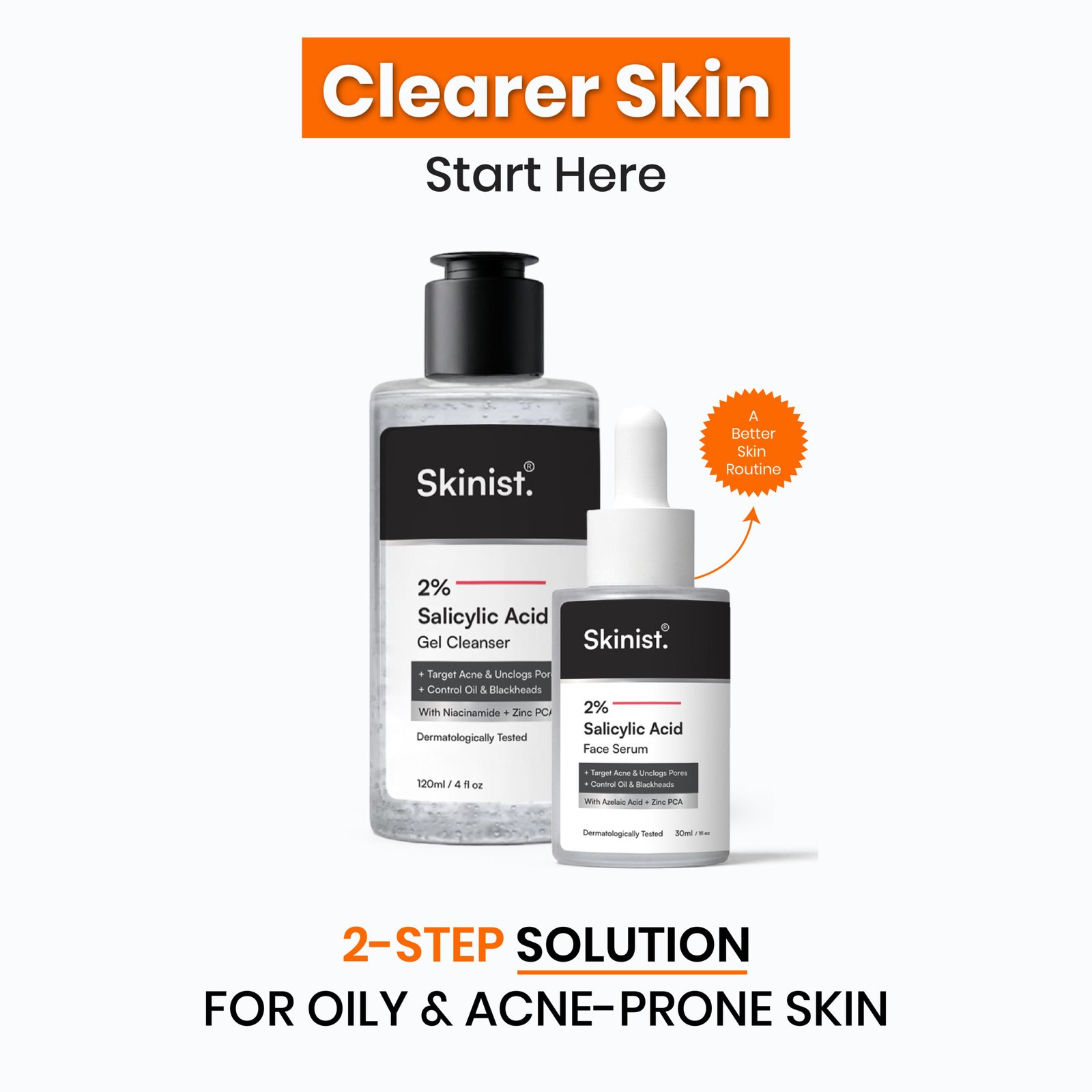
Healthy, clear, and glowing skin starts with choosing the right skincare ingredients. Among the most popular ingredients in modern skincare, Niacinamide and Salicylic Acid stand out for their ability to improve common skin concerns. Both ingredients offer unique benefits, but they work differently to support healthier-looking skin.
Whether you struggle with acne, excess oil, enlarged pores, uneven skin tone, or blemishes, understanding these two ingredients can help you build a more effective skincare routine.
In this article, we will explore the benefits of 10% Niacinamide Serum and Salicylic Acid Serum, their differences, and how to use them for the best results.
What Is Niacinamide Serum?
Niacinamide, also known as Vitamin B3, is a versatile skincare ingredient that helps improve the overall appearance and health of your skin. It is widely used in serums because of its ability to support the skin barrier, balance oil production, and improve uneven skin tone.
Niacinamide Serum is suitable for many skin types, including oily, dry, combination, and sensitive skin.
Benefits of Niacinamide Serum
1. Helps Control Excess Oil
Niacinamide helps regulate sebum production, making it a useful ingredient for people with oily skin. It can reduce excessive shine and help maintain a balanced complexion.
2. Improves the Appearance of Pores
Regular use of Niacinamide Serum can make enlarged pores appear less noticeable by helping balance oil production and improve skin texture.
3. Supports a Healthy Skin Barrier
One of the biggest benefits of niacinamide is its ability to support the skin’s natural protective barrier. It helps improve moisture retention and keeps skin feeling soft and hydrated.
4. Helps Reduce Dark Spots
Niacinamide can help improve the appearance of dark spots, post-acne marks, and uneven skin tone, resulting in a more balanced complexion over time.
5. Promotes Brighter-Looking Skin
With consistent use, Niacinamide Serum can help improve dullness and give your skin a smoother, healthier-looking glow.
What Is Salicylic Acid Serum?
Salicylic Acid is a beta-hydroxy acid (BHA) commonly used in skincare products designed for acne-prone and oily skin. Unlike many exfoliating ingredients, salicylic acid is oil-soluble, allowing it to penetrate into pores and help remove accumulated oil and dead skin cells.
Salicylic Acid Serum is especially beneficial for people dealing with blackheads, whiteheads, clogged pores, and frequent breakouts.
Benefits of Salicylic Acid Serum
1. Helps Clear Clogged Pores
Salicylic acid works inside pores to loosen dead skin cells and excess oil that can contribute to congestion and breakouts.
2. Helps Reduce Acne and Pimples
Its exfoliating properties help prevent pore blockages, making it a popular ingredient for managing acne-prone skin.
3. Reduces Blackheads and Whiteheads
Regular use can help remove the buildup responsible for blackheads and whiteheads, leaving skin looking clearer.
4. Improves Skin Texture
Salicylic acid gently exfoliates the skin’s surface, helping improve rough texture and promoting a smoother appearance.
5. Helps Control Excess Oil
By clearing excess oil and buildup from pores, Salicylic Acid Serum can help oily skin feel cleaner and look less congested.
Niacinamide Serum vs. Salicylic Acid Serum: What’s the Difference?
Although both ingredients are beneficial for oily and acne-prone skin, they target different concerns.
| Feature | Niacinamide Serum | Salicylic Acid Serum |
|---|---|---|
| Main ingredient | Vitamin B3 | Beta-hydroxy acid (BHA) |
| Main purpose | Skin barrier and oil balance | Exfoliation and pore cleansing |
| Best for | Uneven tone and oily skin | Acne and clogged pores |
| Helps with dark spots | Yes | Indirectly |
| Helps with blackheads | Supports oil balance | Yes |
| Skin barrier support | Yes | Not its main function |
| Exfoliation | No | Yes |
In simple terms, Niacinamide focuses on improving skin balance, hydration, and overall appearance, while Salicylic Acid focuses on clearing clogged pores and managing acne.
Can You Use Niacinamide and Salicylic Acid Together?
Yes! Niacinamide and 2% Salicylic Acid Serum can be used together in a skincare routine. In fact, they can complement each other.
Salicylic Acid helps exfoliate pores and reduce congestion, while Niacinamide supports the skin barrier and helps balance oil production.
For beginners, it is better to introduce these ingredients gradually rather than starting both at high concentrations.
How to Use Both Serums in Your Skincare Routine
Morning Routine:
- Cleanse your face with a gentle facial cleanser.
- Apply Niacinamide Serum.
- Use a lightweight moisturizer.
- Finish with broad-spectrum SPF 30 or higher sunscreen.
Evening Routine:
- Wash your face with a gentle cleanser.
- Apply Salicylic Acid Serum according to the product instructions.
- Follow with a hydrating moisturizer.
Start with Salicylic Acid two or three nights per week and increase frequency only if your skin tolerates it. You can use Niacinamide more frequently, depending on the formulation and your skin’s response.
Which Serum Is Best for Your Skin Type?
Choosing between Niacinamide and Salicylic Acid depends on your skin type and specific concerns.
- Oily Skin: Niacinamide can help balance excess oil, while Salicylic Acid helps clear pore buildup.
- Acne-Prone Skin: Salicylic Acid is particularly useful for blackheads, whiteheads, and clogged pores.
- Dry Skin: Niacinamide may be a better starting point because it supports the skin barrier and moisture retention.
- Combination Skin: Both ingredients can help address different concerns in different areas of the face.
- Uneven Skin Tone: Niacinamide can help improve the appearance of dark spots and post-acne marks.
- Sensitive Skin: Niacinamide is generally a gentler starting option, while Salicylic Acid should be introduced carefully.
Common Mistakes to Avoid When Using These Serums
Even effective skincare ingredients can cause irritation if used incorrectly. Keep these points in mind:
Using Too Much Product: Applying more serum does not guarantee faster results. Follow the recommended amount on the product label.
Skipping Moisturizer: Both oily and acne-prone skin need proper hydration. Always follow your serums with a suitable moisturizer.
Overusing Salicylic Acid: Excessive exfoliation can lead to dryness, redness, and irritation 2% Salicylic Acid Cleanser. Start slowly.
Ignoring Sunscreen: Daily sunscreen is essential for protecting your skin and maintaining a more even-looking complexion.
Expecting Overnight Results: Skincare requires consistency. Give your routine time to work and adjust products according to your skin’s needs.
How Long Does It Take to See Results?
Results depend on the ingredient concentration, formulation, skin type, and consistency of use.
- Niacinamide Serum: Some improvements in oil balance and hydration may appear within a few weeks. Changes in dark spots and uneven tone can take longer.
- Salicylic Acid Serum: Improvements in clogged pores and breakouts may become noticeable within several weeks of consistent use.
Remember that everyone’s skin responds differently. Stop using a product if you experience persistent irritation.
Final Thoughts
Niacinamide Serum and Salicylic Acid Serum are two valuable additions to a well-balanced skincare routine. While Niacinamide helps support the skin barrier, improve uneven skin tone, and balance oil production, Salicylic Acid works to exfoliate pores, reduce congestion, and manage acne.
You do not necessarily have to choose one over the other. When introduced correctly, both ingredients can work together to support clearer, smoother, and healthier-looking skin.
The key is understanding your skin’s needs, choosing suitable formulations, and maintaining a consistent skincare routine.