
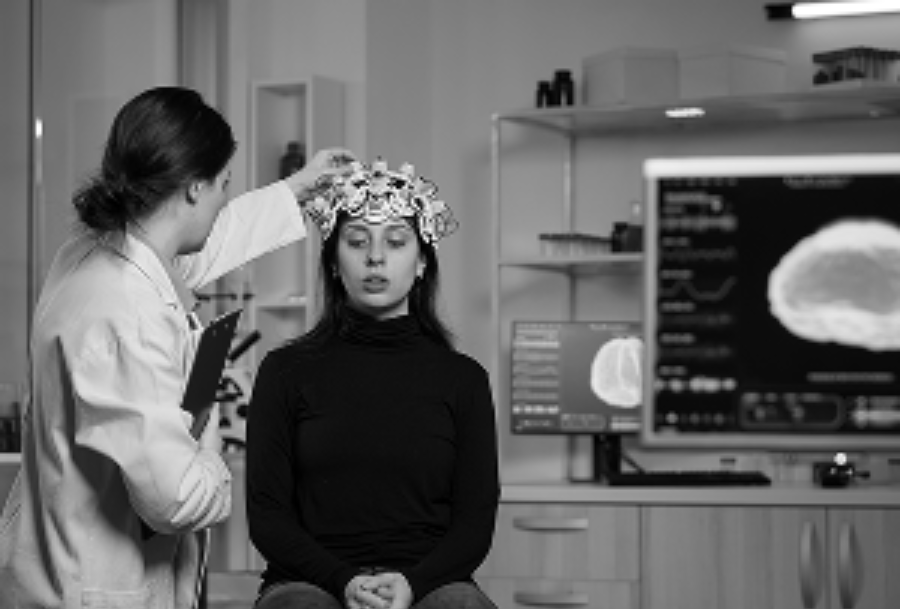
The brain controls every aspect of human life, including thoughts, emotions, behavior, memory, movement, and decision making. When neurological and psychiatric conditions occur together, they can create complex symptoms that affect daily functioning and quality of life. This is where Neuropsychiatric Disorders Treatment plays a vital role by addressing both brain function and mental health through a comprehensive approach.
Many people experience symptoms for months or even years before seeking medical attention because they assume the condition is purely psychological or entirely neurological. However, many disorders involve both systems simultaneously, requiring coordinated evaluation and treatment to achieve meaningful recovery.
Understanding Neuropsychiatric Disorders
Neuropsychiatric disorders are conditions where changes in brain function affect emotions, behavior, cognition, and physical abilities. These disorders often involve complex interactions between neurological pathways and psychological health.
Examples include:
- Depression associated with neurological disorders
- Anxiety linked to chronic neurological conditions
- Cognitive impairment
- Dementia
- Parkinson’s disease with psychiatric symptoms
- Stroke-related behavioral changes
- Traumatic brain injury complications
- Epilepsy with mood disorders
- Autism spectrum disorders
- Attention deficit hyperactivity disorder (ADHD)
Because symptoms often overlap, accurate diagnosis is essential before beginning treatment.
Why Early Diagnosis Matters
Many neuropsychiatric conditions gradually worsen if left untreated. Early evaluation allows healthcare professionals to identify the underlying causes before complications develop.
Benefits of early intervention include:
- Better symptom management
- Improved cognitive function
- Reduced emotional distress
- Greater independence
- Lower risk of disability
- Enhanced quality of life
Seeking Neuropsychiatric Disorders Treatment at the earliest signs of persistent neurological or behavioral symptoms may significantly improve long term outcomes.
Common Symptoms That Should Not Be Ignored
Symptoms vary depending on the condition, but some warning signs deserve prompt medical evaluation.
These include:
- Persistent memory loss
- Sudden personality changes
- Difficulty concentrating
- Mood swings
- Depression
- Anxiety
- Hallucinations
- Confusion
- Sleep disturbances
- Poor balance
- Speech difficulties
- Behavioral changes
- Reduced social interaction
Symptoms may appear gradually or suddenly following brain injury, infection, stroke, or progressive neurological disease.
The Importance of Comprehensive Assessment
No single test can diagnose every neuropsychiatric disorder. Physicians typically combine multiple assessments to understand brain function and mental health.
Evaluation may include:
- Medical history
- Neurological examination
- Psychiatric assessment
- Cognitive testing
- Brain imaging
- Laboratory investigations
- Functional assessments
This multidimensional evaluation helps determine whether symptoms arise from neurological disease, psychiatric illness, or a combination of both.
Personalized Treatment Plans Deliver Better Outcomes
Every patient’s condition is unique. Age, medical history, symptom severity, lifestyle, and associated illnesses all influence treatment decisions.
A personalized treatment plan may include:
Medication Management
Medicines may help regulate mood, reduce anxiety, control movement disorders, improve cognition, or stabilize neurological symptoms.
Psychological Therapy
Evidence-based counseling techniques help patients manage emotional challenges, improve coping skills, and address behavioral difficulties.
Cognitive Rehabilitation
Structured exercises can strengthen attention, memory, problem solving, and executive functioning following brain injury or neurological illness.
Physical Rehabilitation
Some individuals require physiotherapy and occupational therapy to regain mobility, coordination, and independence.
Advanced Brain Stimulation Techniques
Certain patients with treatment-resistant conditions may benefit from non-invasive neuromodulation therapies that support changes in brain activity under specialist supervision.
A multidisciplinary approach ensures that physical, emotional, and cognitive health receive equal attention during Neuropsychiatric Disorders Treatment.
The Role of Family in Recovery
Families often notice subtle changes before patients recognize them. Their observations can help physicians identify symptoms earlier.
Family involvement also supports:
- Medication adherence
- Emotional encouragement
- Lifestyle improvements
- Cognitive exercises
- Monitoring progress
- Recognizing warning signs of relapse
Educating caregivers about the condition enables them to provide appropriate support while reducing stress and misunderstandings.
Lifestyle Changes That Complement Medical Care
Although professional treatment remains essential, healthy lifestyle habits can support brain function and recovery.
Helpful practices include:
- Regular physical activity
- Nutritious diet
- Consistent sleep schedule
- Stress management
- Social engagement
- Cognitive stimulation
- Avoiding tobacco and excessive alcohol
- Following prescribed treatment consistently
Lifestyle improvements cannot replace medical care but often enhance overall treatment outcomes.
Monitoring Progress Over Time
Recovery from neuropsychiatric disorders often occurs gradually. Regular follow-up appointments allow healthcare professionals to monitor improvement and adjust treatment whenever necessary.
Periodic reviews help:
- Measure symptom changes
- Evaluate medication effectiveness
- Identify side effects
- Update rehabilitation goals
- Prevent complications
- Improve long term disease management
Continuous monitoring ensures treatment remains aligned with each patient’s evolving needs.
Looking Beyond Symptom Control
Modern neuropsychiatric care focuses not only on reducing symptoms but also on helping individuals return to productive, fulfilling lives. Improved independence, stronger relationships, better work performance, and enhanced emotional well-being are all important measures of successful treatment.
With timely diagnosis, personalized care, rehabilitation, and ongoing support, many individuals achieve meaningful improvements even when living with chronic neurological or psychiatric conditions.
Conclusion
Living with complex neurological and psychiatric symptoms can be challenging, but early diagnosis and individualized care can make a significant difference. Seeking Neuropsychiatric Disorders Treatment from experienced specialists helps patients receive comprehensive evaluation, targeted therapies, and long term support aimed at improving brain health and overall quality of life. Buddhi Clinic is committed to providing advanced, patient-centered care for individuals facing neuropsychiatric conditions.