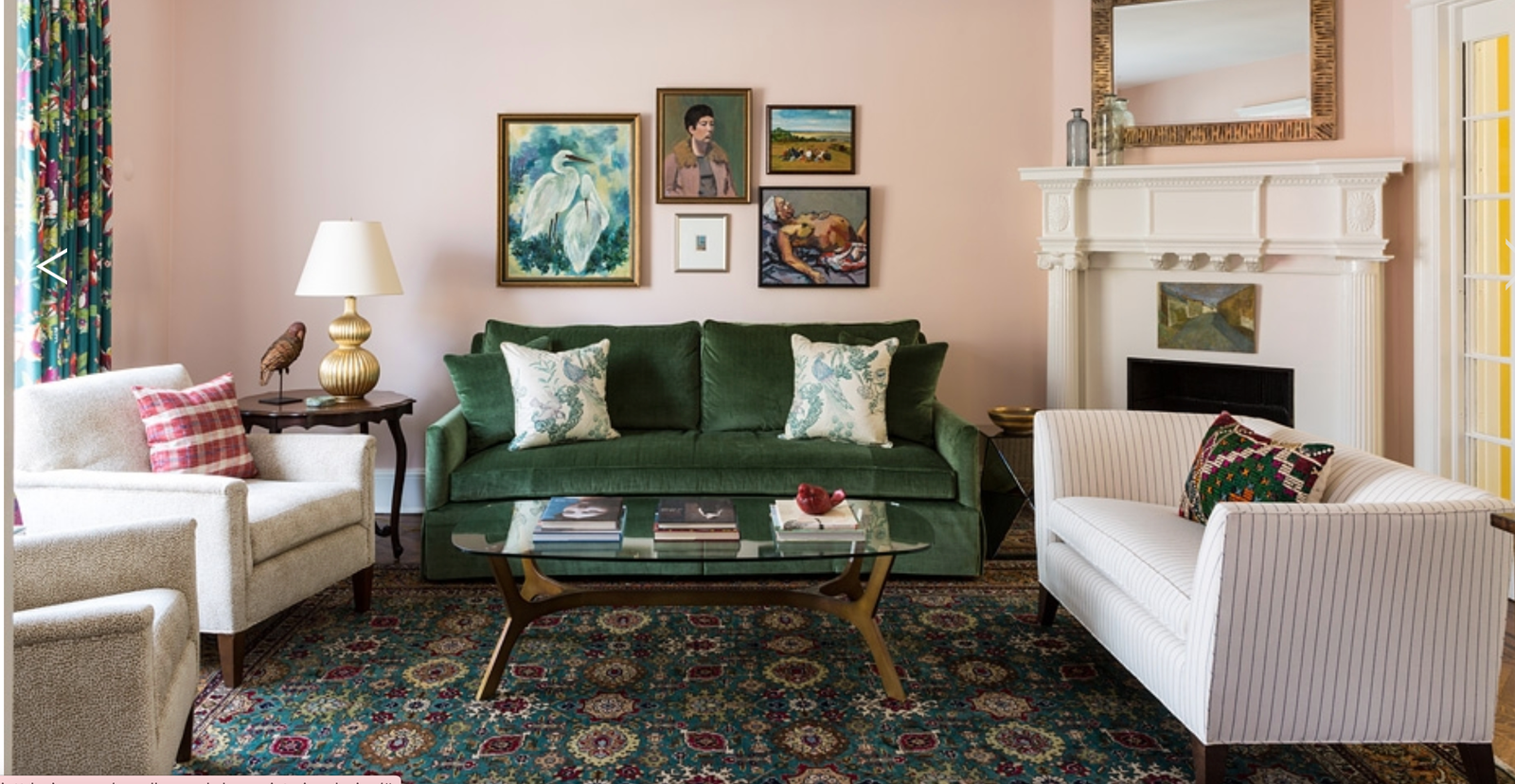
Mid-century modern furniture has maintained its popularity for generations because of its timeless appearance, practical functionality, and distinctive craftsmanship. Originally developed during the middle decades of the twentieth century, this design movement introduced a fresh approach to interior spaces by combining simple shapes, natural materials, and innovative construction techniques. Today, homeowners, collectors, and interior designers continue to appreciate its ability to create stylish yet comfortable environments. Whether you are furnishing a new home, upgrading an existing interior, or exploring vintage furniture, understanding the characteristics of this design style can help you make informed decisions. From iconic designers and traditional materials to modern applications such as home office styling, mid-century design offers plenty of inspiration for creating beautiful and functional spaces.
Understanding the Origins and Appeal of Mid-Century Modern Furniture
The mid-century modern movement became particularly influential between the 1940s and 1960s, when designers began exploring new ways to combine aesthetics with everyday practicality. Changing lifestyles, technological developments, and advancements in manufacturing encouraged furniture makers to move away from heavily decorated traditional designs. Instead, they focused on clean lines, functional structures, and furniture that could fit comfortably into modern homes. This approach created interiors that felt more open, organized, and adaptable to different living requirements.
European modernism and Scandinavian design played important roles in shaping this movement. Designers experimented with organic forms, minimalist structures, and natural materials to create furniture that was both attractive and useful. The growing availability of new manufacturing methods also allowed companies to introduce innovative shapes and affordable furniture options. Rather than treating furniture as purely decorative, mid-century designers considered how people interacted with their surroundings. This practical philosophy remains one of the main reasons the style continues to influence contemporary interiors.
Another reason for its lasting appeal is its versatility. Mid-century modern furniture can complement traditional, contemporary, industrial, and minimalist interiors without appearing out of place. A walnut coffee table, sculptural lounge chair, or streamlined wooden sideboard can introduce warmth and character into almost any room. These pieces often make a strong visual impression without requiring excessive decoration. For homeowners who appreciate simplicity but still want personality in their interiors, this design movement offers an excellent balance.
Popular Materials Used in Mid-Century Modern Furniture
Natural wood is one of the most recognizable materials associated with mid-century furniture. Teak, walnut, oak, and rosewood were frequently used because of their attractive grain patterns, durability, and warm appearance. Teak became particularly popular for cabinets, dining tables, and storage units because it offered a rich finish and practical performance. Walnut was appreciated for its darker tones and distinctive grain, making it suitable for elegant furniture designs. These materials helped create the natural warmth that remains central to this interior style.
Besides wood, designers frequently experimented with metal, glass, leather, and molded materials. Metal frames provided structural support while creating a lighter visual appearance, particularly in chairs and occasional tables. Glass tabletops introduced an open feeling and worked well in smaller rooms. Leather and fabric upholstery added comfort to lounge chairs and sofas, while molded plywood and fiberglass allowed designers to explore curved and ergonomic shapes. Combining different materials created interesting contrasts without making furniture unnecessarily complicated.
When selecting furniture, it is important to understand the difference between solid wood, veneer, and laminate. Solid wood furniture is made primarily from natural timber, while veneer consists of a thin layer of real wood attached to a supporting material. Quality veneer was commonly used in authentic mid-century manufacturing and should not automatically be considered inferior. Laminate typically uses a decorative printed surface and may provide a more affordable alternative. Understanding these construction differences helps buyers evaluate durability, appearance, and long-term maintenance requirements.
Influential Designers Who Shaped the Mid-Century Movement
Several designers played an important role in establishing the visual identity of mid-century modern furniture. Charles and Ray Eames are among the most recognized names associated with this movement. Their work explored molded plywood, fiberglass, and innovative seating structures. They believed furniture should provide comfort while remaining visually interesting and practical. Their designs demonstrated how modern materials and thoughtful engineering could create furniture suitable for everyday living.
George Nelson also made significant contributions through his furniture, storage systems, and lighting designs. His work often combined geometric shapes with functional construction, creating pieces that became recognizable features of modern interiors. His approach demonstrated that practical furniture could also serve as an architectural and decorative element within a room. Many of his design principles remain influential in contemporary furniture production.
Hans Wegner became internationally respected for his approach to wooden furniture, particularly chairs. His designs frequently highlighted craftsmanship, carefully shaped wood, and comfortable proportions. Arne Jacobsen was another influential figure whose work combined architecture and furniture design through distinctive sculptural forms. These designers helped establish a design philosophy centered on simplicity, quality, and functionality. Learning about their work can help furniture enthusiasts recognize important design characteristics and understand why certain vintage pieces remain highly valued.
What to Look for When Buying Mid-Century Furniture
Buying mid-century furniture requires more than choosing an attractive shape or color. Buyers should examine the materials, construction quality, proportions, and overall condition before making a decision. Authentic vintage pieces may display minor scratches, natural aging, or subtle changes in finish, which are normal for furniture that has been used over several decades. However, serious structural damage, unstable joints, or extensive water exposure may require expensive repairs. Taking time to inspect these details can help prevent unnecessary purchasing mistakes.
Construction is particularly important when evaluating older furniture. Examine table legs, chair joints, drawer connections, cabinet doors, and supporting frames for signs of damage or poor repairs. Drawers should open smoothly, and chairs should feel stable when used normally. Check the underside of furniture for manufacturer labels, production stamps, or other identifying information. These details can help establish the item’s origin, although the absence of a label does not automatically mean a piece is not authentic.
It is also useful to distinguish original vintage furniture from modern reproductions. Contemporary manufacturers often create furniture inspired by classic mid-century silhouettes, using updated materials and production techniques. These reproductions can be practical choices for buyers who appreciate the style but prefer new products. If authenticity is important, ask sellers about the manufacturing period, designer, restoration history, and available documentation. A careful evaluation of these factors provides a better understanding of the furniture’s quality and potential value.
Applying Mid-Century Design Principles to Home Office Styling
A home office is an excellent place to incorporate mid-century modern design because this style naturally supports organized, functional, and visually comfortable environments. A streamlined wooden desk can establish the foundation of the workspace, while a comfortable chair with a simple silhouette adds character. Walnut and teak finishes work particularly well because their warm tones create a welcoming atmosphere. Choosing furniture with clean lines also helps prevent the office from feeling overcrowded, especially when working with limited floor space.
Storage is another important element of effective home office styling. Mid-century-inspired cabinets, open shelving, and compact sideboards provide practical ways to organize documents, books, and office accessories. Furniture with raised legs can make smaller rooms feel more spacious because it allows more floor area to remain visible. Rather than filling every available space with storage units, select pieces according to your actual working requirements. A well-organized environment makes it easier to maintain productivity and keeps the overall design visually balanced.
Lighting and accessories can further improve the workspace. A sculptural desk lamp, understated wall clock, or simple ceramic planter can introduce personality without distracting from work. Neutral wall colors, natural textures, and carefully selected accent shades create a cohesive atmosphere. Consider adding a comfortable rug or upholstered seating to make the office more inviting. The objective is to combine practical working conditions with the warmth and simplicity that define mid-century interiors.
How to Combine Mid-Century Furniture with Modern Interiors
One of the biggest advantages of mid-century modern furniture is its ability to work alongside contemporary design elements. You do not need to furnish an entire home with vintage pieces to achieve a consistent appearance. Instead, introduce a few distinctive items and combine them with modern accessories, neutral finishes, and functional layouts. For example, a vintage wooden sideboard can complement a contemporary sofa, while a classic lounge chair can become a focal point in a minimalist living room. This combination creates an interior that feels individual rather than overly coordinated.
Color selection plays an important role in maintaining visual harmony. Warm wood finishes pair naturally with cream, beige, white, and soft gray. Accent colors such as mustard yellow, olive green, burnt orange, and muted blue can add personality without overpowering the room. Textured cushions, woven rugs, indoor plants, and understated artwork introduce additional depth. Keeping the color palette relatively controlled allows the furniture’s shape and material to remain the main attraction.
Furniture placement should also support comfort and movement. Avoid placing too many large items close together, particularly in smaller rooms. Allow enough space around statement furniture so its design details remain visible. Natural light can highlight wood textures and upholstery, while carefully selected lamps provide a comfortable atmosphere during the evening. Combining these elements creates a practical interior that reflects the character of mid-century design while meeting modern lifestyle requirements.
Maintaining Furniture Quality and Making Long-Term Design Choices
Proper maintenance can help preserve the appearance and functionality of mid-century furniture for many years. Wooden surfaces should be cleaned with a soft cloth and appropriate furniture products to prevent unnecessary scratches and finish damage. Avoid prolonged exposure to direct sunlight because ultraviolet light can gradually fade wood and upholstery. Using coasters, protective mats, and suitable surface treatments can also reduce everyday wear. For valuable vintage pieces, following professional restoration advice is preferable to experimenting with unsuitable cleaning methods.
Upholstered furniture requires regular care as well. Vacuum fabric surfaces using an appropriate attachment to remove dust and loose particles. Address spills promptly according to the manufacturer’s cleaning recommendations, and use leather-specific products when maintaining leather seating. Avoid excessive moisture around wooden joints and delicate finishes. Regular inspections can help identify loose connections, worn upholstery, and minor problems before they become more expensive to repair.
When investing in furniture, prioritize quality, comfort, and functionality instead of following temporary decorating trends. A well-made desk, comfortable lounge chair, or practical storage cabinet can remain useful even when your interior preferences change. Mid-century modern furniture continues to stand out because it combines thoughtful craftsmanship with simple, adaptable design. By understanding its materials, influential designers, and defining characteristics, you can make more confident purchasing decisions and create interiors that remain attractive and functional. Whether updating a living room or improving home office styling, this iconic design movement offers timeless inspiration for modern homes.