
Introduction
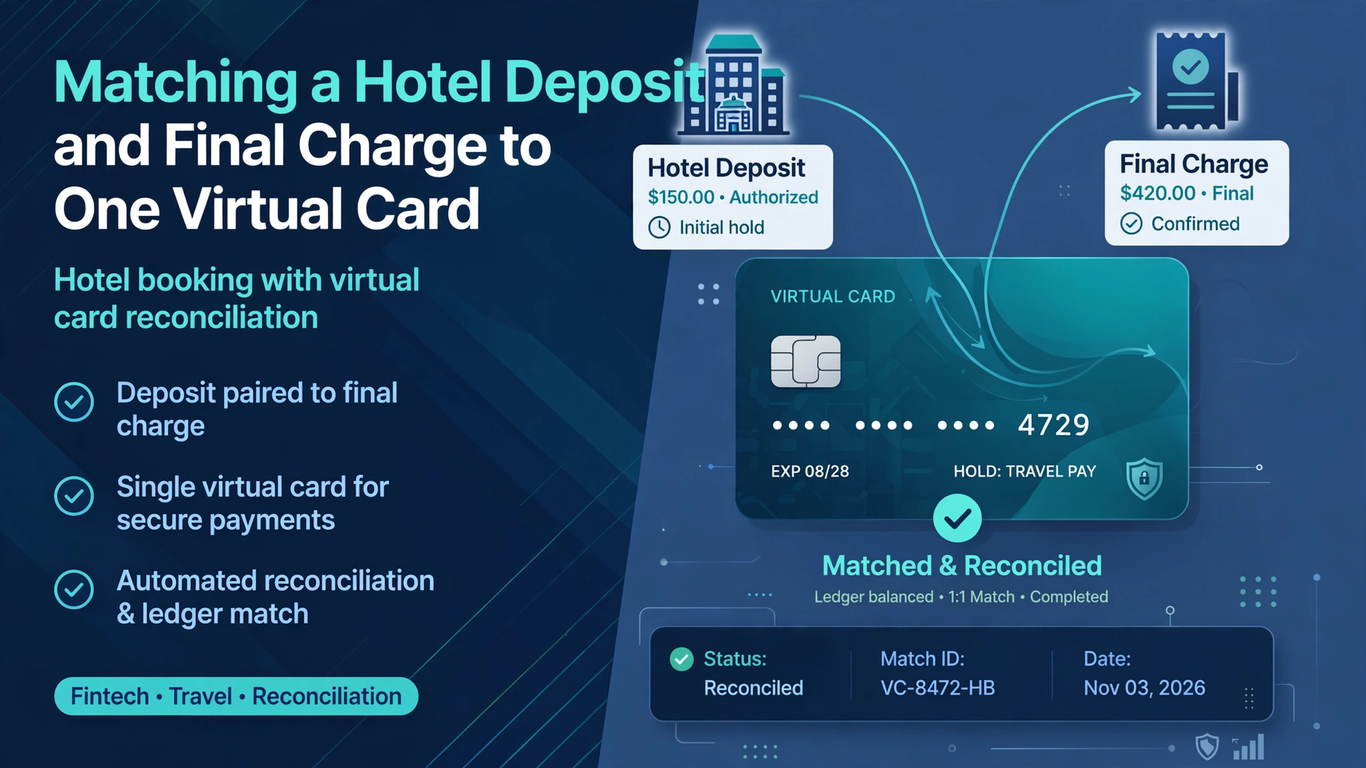
Imagine a travel coordinator booking twelve hotel rooms for a regional training week. At Soft Online Training, we use this kind of case to show how payment reconciliation works. The hotel charges a 30 percent deposit in March on one virtual card, then collects the balance after checkout in April.
The March deposit looks finished, and the April balance looks like a strange second charge. If you are exploring Oracle Fusion Financials Training in Pune, learn to follow the payment reference and running total instead of expecting one settlement line. Keep both events visible and dated, and wait for evidence first.
Build the Case File First in Oracle Fusion Financials Training in Pune
Before any statement line shows up, write down what you expect. Record the booking identifier, hotel invoice number, original payment amount, virtual-card payment reference, expected deposit, expected balance, service dates, and the employee responsible for the stay. In this example the approved invoice is 24,000 units: 7,200 for the deposit and 16,800 for the balance.
Add a short note that the hotel may settle the card in stages. That note doesn’t prove any charge is correct. It simply gives the reviewer something to measure incoming lines against. Link supporting documents through controlled records, and keep card details out of notes and spreadsheets.
When the 7,200 deposit arrives, look past the amount. Check the payment reference, supplier, transaction date, currency, booking evidence, and authorization context. A matching reference is strong evidence, but pause if the hotel name differs noticeably, the currency has changed, or the deposit is bigger than the agreed percentage.
Log the deposit as its own settlement event with its statement date. Resist the urge to mark the 24,000 payment fully reconciled just because the first line is valid. Another 16,800 is still expected, and anyone reviewing the case at month-end should be able to see that at a glance.
Treat Each Settlement as Evidence
The guidance called Virtual Card Reconciliation with Multiple Settlements is scoped to the integrated J.P. Morgan virtual-card solution and to statements received through the J.P. Morgan virtual-card program. It explains that statement lines sharing the same virtual-card payment reference are recorded as separate lines rather than rejected as duplicates. A payment manager can review them, and the payment becomes fully reconciled for statement purposes once their combined value reaches the payment amount. It also allows for lines arriving in different billing cycles.
Applied here, the March deposit and the April balance stay as two distinct records under one reference. The event trail is protected, and the cumulative total is what establishes completion. None of this removes the need to investigate an unexpected line, a conflicting currency, or a total that goes over the approved payment.
At checkout, the hotel captures 16,800 against the same card. Confirm that the line carries the same payment reference, and that the final invoice supports the amount after room changes, taxes, cancellations, or incidental exclusions. Add 7,200 and 16,800 and you get the approved 24,000, so the statement-side payment can move to fully reconcile if the other controls hold.
Keep both settlement dates. Collapsing them into one synthetic event would hide the billing-cycle boundary. And if the second line had been 17,100 instead, the reviewer should hold completion, pin down the 300 difference, and ask for corrected evidence or an authorized adjustment.
Investigate Exceptions Without Guessing, a Habit Oracle Fusion Financials Training in Pune Should Build
Not every repeated reference is a legitimate split settlement. Say an extra 7,200 line appears two days after the deposit. Don’t delete it as a duplicate, and don’t accept it just because the reference matches. Compare statement identifiers, processing dates, amounts, hotel documentation, and any reversal activity.
Ask the practical questions. Did the hotel submit the deposit twice? Is one line a pending event that is later finalized? Is a correction still on its way? Put the questionable line into a review status that stops it from clearing early, and escalate through the card program and supplier contacts using approved channels, sharing only the minimum transaction data. The resolution should follow documented evidence, not a comfortable assumption about how hotels usually handle deposits.
Timing needs the same care. The March close may hold a valid deposit with no April balance yet, so your aging view should separate an expected later settlement from unexplained inactivity. Set a review date tied to checkout and the supplier’s stated capture practice. If the balance is still missing after that date, confirm that the stay happened, check whether the final invoice changed, and find out whether the hotel released or replaced the authorization.
Don’t clear the residual just to shorten an open-items report. Equally, don’t call a normal cross-cycle balance overdue before the agreed window has passed. A brief status note with an owner, next action, and evidence date helps a second reviewer understand the open amount without a long explanation.
Turn the Lesson Into a Monthly Control After Oracle Fusion Financials Training in Pune
A good monthly control groups statement lines by payment reference and compares their cumulative amount with the approved payment. It should surface in three conditions: below total, equal to total, or above total.
In the hotel case, below total is expected right after the deposit, but it still needs an owner and a follow-up date. Equal to total supports completion once the document checks are done. Above total calls for immediate exception review.
The report should keep line-level dates and amounts so reviewers can see how the total was reached. Access should be role-based, and any change to a status or mapping should be auditable. Sample testing can then confirm that staff didn’t dismiss legitimate split lines as duplicates, or combine unrelated charges because their descriptive fields looked alike.
Conclusion
A hotel payment is reconciled safely when the deposit and balance stay visible as separate settlements, share the verified payment reference, and together equal the approved 24,000. Reach that conclusion only after checking the supplier, currency, dates, invoice support, and any reversals or adjustments in between.
A different billing cycle is a timing fact, not an error, and a repeated reference is a clue, not proof. That is the habit Oracle Fusion Financials Training in Pune builds: preserve each event, compare the running total with the authorized payment, investigate anything that deviates, and document why the final status is justified.