
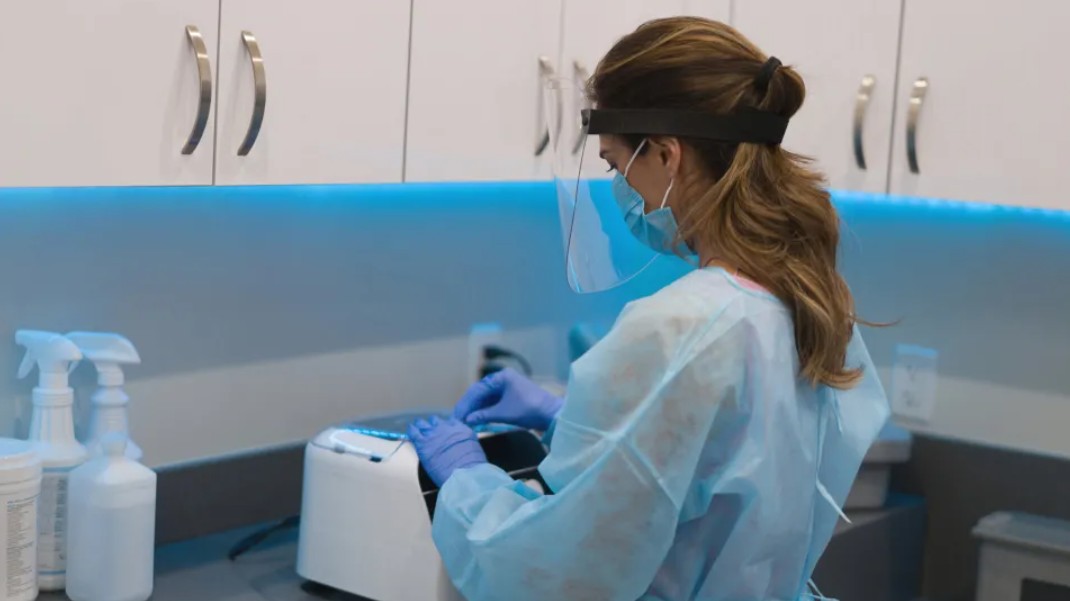
In the modern clinical environment, the flexible endoscope is an indispensable tool that allows medical professionals to visualize internal structures with precision. However, these complex instruments are incredibly delicate, and their functionality relies heavily on the integrity of their fiber optic components. One of the most critical aspects of endoscope maintenance is the inspection of the light guide bundle. This bundle of fibers is responsible for transmitting light from the source to the distal tip of the scope, enabling the physician to view the procedure site clearly. When fibers within this bundle break, it creates “black spots” or significant dimming in the field of view, which can lead to diagnostic errors or compromised patient safety. As a sterile processing technician, you are the final line of defense in ensuring these devices are ready for use. Mastering the art of inspection is not just a job requirement; it is a fundamental responsibility that safeguards the standard of care for every patient.
Understanding the Light Guide Bundle and Its Vulnerability
The light guide bundle consists of thousands of microscopic glass fibers bundled together, designed to flex and maneuver through the patient’s anatomy during procedures. Because these fibers are brittle by nature, they are susceptible to damage caused by improper handling, excessive bending, or impacts during transport and reprocessing. When a fiber breaks, it can no longer conduct light, resulting in a dark spot that appears in the image. Over time, as more fibers break, the overall illumination decreases, reducing the quality of the image and the physician’s ability to perform the procedure effectively. It is vital for technicians to understand that these breakages are often cumulative; once a fiber is damaged, it cannot be repaired, and the scope must be sent out for professional repair. Preventing further damage through careful handling and early detection of existing issues is essential to extending the life of this expensive medical equipment and ensuring consistent clinical outcomes for the facility.
The Step-by-Step Process for Visual Inspection
Conducting a thorough inspection of the light guide bundle requires a methodical, step-by-step approach in a well-lit environment. First, ensure the light guide connector at the umbilical end of the endoscope is clean and free of debris. Connect the endoscope to a light source that you have verified as functional. Once connected, inspect the distal tip of the endoscope by pointing it toward a neutral, non-reflective surface, such as a white wall or a piece of white paper. While the light is on, observe the output. You should see a uniform, bright circular field of light. If you notice persistent black spots—which look like tiny dots or shadows within the light circle—this is a definitive indication that fibers in the light guide bundle have broken. Additionally, check for significant dimming or flickering, which may suggest that the bundle is partially crushed or that internal connection points are failing. Document these findings immediately, as they represent a failure that requires clinical engineering intervention.
Interpreting Signs of Damage During Reprocessing
Beyond the formal light source check, technicians should remain vigilant for other signs of light guide bundle degradation throughout the reprocessing cycle. During the manual cleaning phase, pay close attention to the umbilical cord of the endoscope; avoid tight coiling or sharp angles, as these are primary contributors to fiber breakage. If a technician notices that the outer sheathing of the umbilical cable appears kinked, dented, or irregular, the chances of internal fiber damage are extremely high. When you reach the high-level disinfection phase, if you see air bubbles escaping from the light guide area during the leak test, it is a sign that the structural integrity of the scope is compromised, which often correlates with internal fiber stress. By connecting these subtle physical cues to the performance of the light guide bundle, you can proactively identify scopes that need to be pulled from service, preventing a mid-procedure failure.
The Role of Formal Education in Professional Mastery
Developing the keen eye required to spot these nuances does not happen overnight. It requires a deep understanding of medical device technology, infection control protocols, and the mechanics of surgical instrumentation. While on-the-job experience is invaluable, formal education provides the structural knowledge that helps technicians distinguish between normal wear and tear and critical malfunctions that jeopardize patient safety. If you are looking to advance your career and refine your technical skills, enrolling in a comprehensive sterile processing technician course is an essential step. Such a program covers everything from the anatomy of complex flexible endoscopes to the latest regulatory standards for sterilization and maintenance. By grounding your practical skills in a robust theoretical framework, you become a more confident, efficient, and reliable member of the sterile processing team, capable of handling the most sensitive equipment with expert care and precision.
Conclusion: A Commitment to Patient Safety
Ultimately, the inspection of the light guide bundle is about far more than maintaining equipment; it is about upholding the trust placed in the sterile processing department by patients and surgical teams alike. Every time you perform a meticulous inspection, you are actively preventing potential delays, inaccuracies, or failures in the operating room. This level of diligence defines a high-quality technician. As the technology behind medical imaging continues to advance, the complexity of these devices will only increase, making the role of the technician more critical than ever. By staying informed, practicing consistent inspection routines, and continuing your education through professional training, you ensure that every endoscope that passes through your department is in peak condition. Your dedication to these small, technical details is a significant contribution to the broader mission of providing safe, high-quality healthcare to every patient in your facility.