Introduction
Turbine systems used in power generation, oil and gas, and industrial processing rely heavily on electronic control modules to ensure stable, efficient, and safe operation. These modules act as the “brain” of the turbine, processing sensor data, executing control logic, and coordinating critical functions such as fuel regulation, speed control, and protection shutdowns.
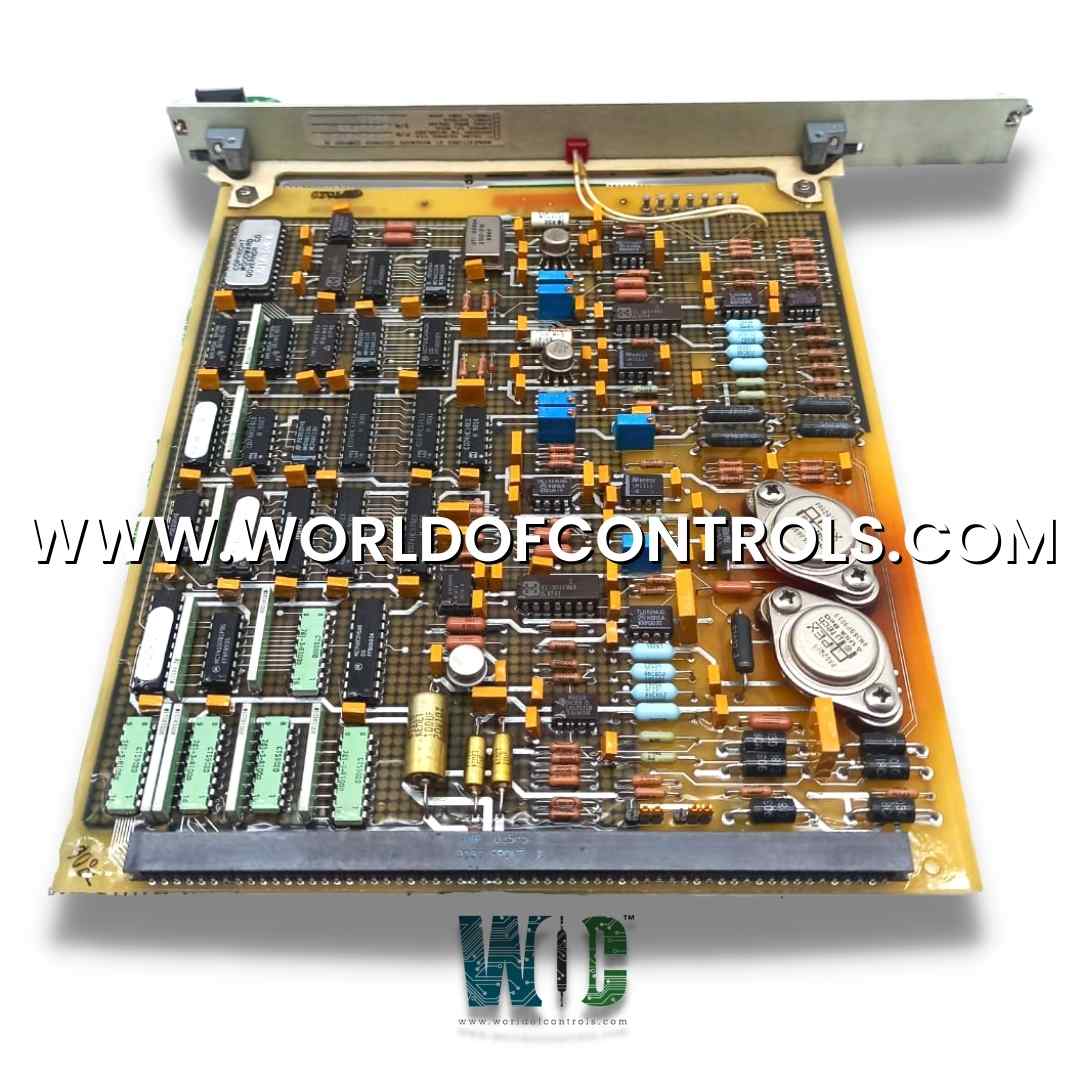
Among these components, CPU-based turbine control modules—such as the widely used SIO (Serial Input/Output) controller class—play a central role in modern automation architectures. These modules include designs similar to the Woodward SIO CPU Controller Module, which are commonly deployed in industrial turbine control systems.
Role of Control Modules in Turbine Systems
Turbine control modules manage real-time operations by interfacing with field instruments and higher-level control systems. They continuously process inputs such as temperature, vibration, pressure, and rotational speed, converting them into precise output commands.
Key responsibilities include:
- Maintaining turbine speed under varying load conditions
- Managing safe startup and shutdown sequences
- Enforcing overspeed and overtemperature protection
- Coordinating communication between distributed control components
Because turbines operate in harsh environments with high heat, vibration, and electrical noise, control modules must be highly robust and reliable.
Understanding SIO CPU-Based Control Architecture
SIO CPU controller modules represent a class of embedded control hardware designed for deterministic real-time processing. In turbine applications, these modules serve as both logic processors and communication gateways.
A system like the Woodward SIO CPU Controller Module typically performs the following functions:
- Collects and conditions input/output signals from turbine field devices
- Executes pre-programmed control sequences with real-time precision
- Communicates with supervisory systems and operator interfaces
- Maintains synchronization across redundant or distributed control networks
This architecture ensures that turbine operations remain stable even under rapidly changing load or environmental conditions.
Maintenance Strategies for Turbine Control Modules
Preventive Maintenance
Preventive maintenance is based on scheduled servicing to reduce the risk of unexpected failures. Common tasks include:
- Inspecting control cabinets for dust, moisture, or corrosion
- Cleaning connectors and verifying terminal tightness
- Checking cooling and ventilation systems
- Ensuring firmware and configuration backups are up to date
These routine actions help preserve module reliability and prevent thermal or electrical degradation.
Condition-Based Monitoring
Condition-based maintenance uses real-time system data to assess module health. Engineers monitor:
- CPU load and processing performance
- Communication errors or latency in control networks
- Input/output signal stability
- Internal diagnostic alarms
This approach allows early detection of developing issues before they escalate into failures.
Predictive Maintenance
Predictive maintenance applies data analytics to forecast potential failures. By analyzing historical trends and operational patterns, operators can anticipate:
- Component aging in electronic circuits
- Communication instability in network interfaces
- Thermal stress patterns affecting long-term performance
This strategy reduces unplanned downtime and improves overall turbine availability.
Diagnostic Strategies for Control Modules
Communication Diagnostics
One of the first steps in troubleshooting is verifying communication integrity. Technicians typically:
- Analyze network traffic for dropped or corrupted signals
- Check synchronization between controller nodes
- Validate sensor-to-controller signal accuracy
Fault Code Interpretation
Modern turbine control systems generate diagnostic fault codes that help isolate issues quickly. These may indicate:
- Sensor calibration errors
- Memory or processing faults in the CPU module
- Power supply irregularities
Proper interpretation of these codes significantly reduces troubleshooting time.
Hardware Inspection
When software-level diagnostics are insufficient, physical inspection is required:
- Checking for loose connectors or damaged circuit boards
- Measuring voltage stability across power rails
- Identifying signs of overheating or component wear
Best Practices for Long-Term Reliability
To ensure stable and long-term performance of turbine control modules, operators should:
- Implement redundant control system architectures where possible
- Maintain clean and stable power supply conditions
- Follow strict maintenance schedules recommended by manufacturers
- Apply controlled and validated firmware update procedures
- Train personnel in both electrical and digital diagnostics
Conclusion
Turbine control modules are essential to the safe and efficient operation of modern turbine systems. CPU-based SIO controller technologies—such as those represented by the Woodward SIO CPU Controller Module—enable precise real-time control, communication, and system protection.
By combining preventive, condition-based, and predictive maintenance strategies with structured diagnostic methods, operators can significantly enhance turbine reliability, reduce downtime, and extend the operational lifespan of critical control infrastructure.