
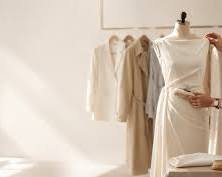
Learn how laundry and wash and fold London services care for designer clothing, silk, wool, cashmere and delicate wardrobe pieces.
Designer clothing needs more than a standard wash cycle. Fine wool, silk, cashmere, linen, embellished pieces and structured garments can react differently to water, heat, detergent and drying methods. A process that works for cotton may cause another fabric to shrink, lose shape or develop surface damage.
For London wardrobes, professional laundry care can provide a controlled way to handle everyday pieces and selected washable designer garments. The right service starts with the care label, fabric composition and construction. It then moves through sorting, washing, drying, finishing and final inspection.
What makes professional care different from a routine household wash? The answer often comes down to small decisions made before the garment enters a machine.
For clients with premium wardrobes, laundry can sit alongside specialist dry cleaning rather than replace it. Washable shirts, cotton trousers, knitwear and selected casual pieces may suit professional laundering. Silk eveningwear, structured jackets and heavily decorated garments may require another process.
How professional laundry suits designer wardrobes
A premium wardrobe often contains several fibre types in the same collection. Cotton shirts may need regular washing. Merino wool can need less frequent washing. Silk may require controlled handling. Cashmere needs careful washing and drying to retain its shape.
The first stage should be an inspection. A professional team checks the care label, fabric, colour, visible marks, trims, fastenings and construction. This helps separate pieces that can share a wash process from garments that need individual treatment.
Wool provides a useful example. The Woolmark Company says many approved wool garments can be machine washed when their care claim permits it. It recommends a wool cycle, mild detergent and suitable drying methods.
London clients may choose wash and fold London services for everyday garments that need regular care without individual pressing. This can include T-shirts, casual shirts, trousers, gym clothing, pyjamas, towels and bed linen.
Designer clothing needs a more selective approach. A silk blouse with delicate stitching should not automatically enter the same process as cotton gym wear. A cashmere jumper may need low mechanical action, careful drying and gentle reshaping.
This distinction matters because cleaning removes more than visible dirt. It can affect colour, surface texture, fibre movement and garment shape. Repeated poor handling may change how a piece feels and fits.
Could a standard home cycle provide the same control? Sometimes it can, but the answer depends on the garment and its care instructions.
Fabrics and laundry options for fine clothing
Different materials respond to moisture, movement, heat and detergents in different ways. We can group common designer wardrobe pieces into several practical care categories.
Cotton usually tolerates professional laundering well when the label permits washing. Shirts, T-shirts and lightweight trousers can often be washed, dried and folded or pressed according to the desired finish.
Wool needs more attention. Woolmark guidance recommends turning wool garments inside out before washing and keeping dark and pale colours separate. Knitwear is generally dried flat when the care instructions call for it.
Silk needs careful assessment because water, agitation, heat and drying can affect colour and texture. A silk garment should follow its care label rather than a general laundry rule.
Cashmere sits in a similar category. Some washable cashmere pieces can be professionally laundered under controlled conditions. Others may carry dry-clean-only instructions or require specialist treatment.
Linen can usually handle washing when the care label permits it, though creasing and shrinkage need consideration. Pressing becomes part of the finishing stage when the garment needs a crisp appearance.
Embellished clothing requires another level of checking. Sequins, beads, bonded trims, embroidery and decorative surfaces can respond differently to moisture and mechanical action. Such pieces should be assessed before processing.
A useful comparison looks like this:
| Garment or fabric | Typical care route | Main concern | Suitable finish |
| Cotton shirts | Professional laundry | Colour and shrinkage | Pressed or folded |
| Merino wool | Wool wash or specialist care | Shape and heat | Flat dry or shaped |
| Silk blouse | Specialist assessment | Colour and texture | Gentle finish |
| Cashmere knitwear | Controlled wash or specialist care | Shrinkage and shape | Flat dry and reshape |
| Linen trousers | Professional laundry | Creasing | Pressed |
| Embellished dress | Individual assessment | Trims and decoration | Specialist finishing |
The table shows why one process cannot suit every item. A good laundry service matches the treatment to the garment rather than placing everything into one standard batch.
What happens during the cleaning process?
A professional process starts before washing begins. Staff should check the garment against its care instructions and record any visible marks or existing concerns.
The garment is then sorted by fabric, colour and care requirement. Heavy cotton pieces may follow one route. Fine knitwear, silk and other sensitive fabrics may require separate handling.
Stain treatment comes before the main wash where appropriate. A professional cleaner can assess whether a mark contains oil, protein, pigment or another substance. The treatment should suit the fibre and colour.
The washing stage then uses controlled temperature, detergent levels, mechanical action and cycle time. For wool, Woolmark recommends a suitable wool setting, mild detergent and appropriate drying. Its guidance states that many approved wool garments can be machine washed when their care claim permits it.
Drying needs the same attention. Excess heat can affect some fibres and finishes. Wool knitwear often needs flat drying, with the garment shaped back to its intended dimensions during drying.
Finishing comes next. Shirts may receive pressing around collars and cuffs. Trousers may need crease setting. Knitwear can require reshaping. Folded items should be returned in a way that limits unnecessary creasing.
A final inspection checks the result before collection or delivery. This gives staff a chance to identify remaining marks, loose threads, missing buttons or changes in shape.
Consider a London client with a wardrobe containing a silk blouse, three cotton shirts, a cashmere jumper and linen trousers. Sending all five pieces through one home cycle could create unnecessary risk. A professional team can separate the garments and choose different treatment routes.
That approach is one reason luxury garment care often combines laundry, specialist cleaning and finishing rather than relying on one process.
BLANC Living, for example, lists wash and fold alongside specialist garment cleaning, shirt finishing and care for fine laundered pieces. Its London service information states that wash and fold covers everyday clothing and household textiles, with items returned folded and packaged.
Laundry costs in London for designer clothing
Pricing varies according to the garment, process, finish and provider. A wash and fold service is usually priced differently from individual shirt pressing or specialist fabric care.
Current London examples show a broad range. Luxury Laundry lists service wash from £16 and shirts wash and iron from £2.20. London Laundry lists a standard wash, dry and fold machine load at £25, with separate pricing for shirts, knitwear and silk items.
WhiteOrchid lists wash, dry and fold up to 5kg at £14.95 and up to 10kg at £27.95. London Laundry Club lists wash, dry and fold at £7 per kilogram. These figures show why the final cost depends on whether a service charges by weight, load or individual garment.
Designer clothing can carry a different price because it may require individual inspection, specialist detergent, separate processing, hand finishing or additional stain treatment.
A silk shirt should not be compared directly with a cotton T-shirt. The fibre, construction and required finish can change the work involved.
For a regular wardrobe, ask whether the quoted price covers washing, drying and folding. For premium garments, ask whether inspection, finishing and specialist handling are included.
A clear price list should explain extra charges before processing begins. This is especially useful for garments with embellishments, unusual construction or difficult stains.
The Textile Services Association reports that the UK textile services sector processes more than 53 million textile items each week and supports around 28,000 full-time-equivalent jobs. The figures show the scale of professional textile care across the sector.
Choosing a London laundry service for designer clothing
Start with the garments you actually need cleaned. If most of your wardrobe consists of cotton shirts and casual clothing, a standard wash and fold service may meet your needs. If you have silk, cashmere, couture pieces or embellished clothing, look for a provider with specialist garment-care processes.
Ask how garments are inspected. A useful answer should cover care labels, fibre composition, stains, trims and construction.
Ask how delicate pieces are separated from everyday laundry. This can reveal more about the process than a general statement about quality.
You can ask about detergent, temperature, drying, pressing and packaging. A provider should be able to explain the process in plain language.
Collection and delivery can matter in London because a wardrobe service may cover several categories at once. BLANC Living lists collection and delivery services alongside garment cleaning, laundry and specialist care across London.
A specialist such as BLANC Living differs from a general laundry provider when the wardrobe includes designer and delicate pieces because its service range covers wash and fold, fine garments, specialist cleaning and hand-finished care. That distinction is useful when one wardrobe contains both everyday and high-care items.
Before sending an expensive garment, check the care label and ask what happens if the label carries a dry-clean-only instruction. Ask whether the provider will contact you before processing an item that needs a different treatment.
Good questions make the service easier to assess. What happens when a stain cannot be safely removed? How are garments dried? Are delicate items processed separately? Who checks the garment before return?
The answers give you a clearer view of the actual care process.
FAQ
How often should designer clothing be sent to a professional laundry?
It depends on the fabric, wear level and care label. Cotton shirts may need frequent washing. Wool and cashmere can often be worn several times between washes when they remain fresh and clean. Woolmark notes that wool naturally resists odour and often needs less frequent washing.
Is laundry suitable for silk designer clothing?
Some silk garments can be professionally laundered, but the care label should guide the decision. Colour, weave, trims and finishing can affect the treatment. Silk pieces marked dry clean only should follow that instruction rather than entering a standard wash and fold process.
How much does wash and fold London service cost?
London providers use different pricing models. Some charge by weight, some by load, and others price individual garments. Current examples range from around £15 for smaller wash-and-fold loads to £25 for a standard machine load, with specialist pieces priced separately.
What does a luxury laundry service do differently?
The main difference is the level of garment assessment and finishing. Premium services may separate fabrics, check care labels, control washing conditions, dry garments according to fibre needs and provide pressing or careful folding.
Can cashmere go through professional laundry?
Some cashmere garments can be washed when their care instructions permit it. The process should use suitable detergent, gentle action and careful drying. Flat drying is commonly recommended for knitwear, and the garment should be reshaped during drying.