Liposuction is one of the most widely recognized cosmetic procedures for reshaping areas of the body where stubborn fat remains despite regular exercise and a balanced diet. Many people who research Best Liposuction Surgery in Muscat are not necessarily looking for major weight loss. Instead, they want to understand how liposuction can improve body proportions and create a more defined appearance.
This is where the term body contouring becomes important. Body contouring refers to procedures designed to improve the shape, proportions, and overall appearance of specific areas of the body. Liposuction is one of the procedures commonly used for this purpose because it can remove localized fat deposits and help create smoother body contours.
However, liposuction is not a substitute for weight-loss treatment, and it is not suitable for everyone. Understanding what the procedure involves, what it can realistically achieve, and how recovery works can help individuals make informed decisions.
What Does Body Contouring Mean?
Body contouring generally means reshaping areas of the body to create a more balanced or defined silhouette. It may involve removing excess fat, tightening loose skin, or combining different techniques depending on an individual’s needs.
Liposuction primarily focuses on localized fat removal. Common treatment areas include the abdomen, waist, hips, thighs, upper arms, back, and under the chin. The objective is not simply to remove as much fat as possible but to improve the body’s overall proportions.
For example, someone may have a relatively healthy body weight but still have a noticeable fat deposit around the abdomen or hips. Diet and exercise may reduce overall body fat but may not completely change the appearance of that particular area. Liposuction can be considered when localized fat is resistant to conventional lifestyle measures.
Body contouring therefore focuses more on shape and proportion than numbers on the weighing scale.
How Does Liposuction Help With Body Contouring?
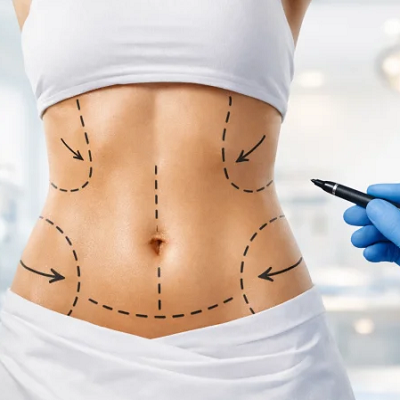
Liposuction involves removing fat cells from selected areas using a specialized cannula. Before the procedure, the treatment area is assessed and marked to help determine where fat should be removed.
During surgery, small incisions are typically made, and a thin tube is inserted into the targeted area. Fat is loosened and removed using controlled suction. The technique used can vary according to the treatment area, the amount of fat being addressed, and the individual’s anatomy.
The goal is generally to create a smoother transition between treated and untreated areas. A skilled approach is important because excessive or uneven fat removal can result in irregular contours.
This is why people considering the Best Liposuction Surgery in Muscat should focus not only on the procedure itself but also on appropriate patient assessment, surgical planning, safety standards, and realistic expectations.
Liposuction can improve the appearance of localized fat deposits, but it does not automatically produce a completely different body shape. The final result depends on factors such as skin elasticity, body structure, the amount of fat removed, healing, and lifestyle.
Who May Be a Suitable Candidate for Liposuction?
Liposuction is generally considered for adults who have localized areas of excess fat and are in relatively stable health. Candidates should ideally have realistic expectations about what the procedure can accomplish.
A suitable candidate may have:
- Localized fat deposits that have not responded sufficiently to diet and exercise
- Relatively stable body weight
- Reasonably good skin elasticity
- Realistic expectations about the outcome
- A willingness to follow preoperative and postoperative instructions
- No medical conditions that would make surgery unnecessarily risky
It is important to understand that liposuction is not a treatment for obesity. Individuals seeking significant overall weight reduction may need a different approach involving nutrition, physical activity, medical weight management, or other treatments.
A proper medical assessment is essential before surgery. The assessment may include a review of medical history, medications, previous procedures, allergies, lifestyle factors, and the condition of the skin and tissues in the proposed treatment area.
What Happens Before and After Liposuction Surgery?
Preparation is an important part of body contouring. During consultation, the treatment goals and areas of concern can be discussed. Measurements or photographs may be used for planning, and the expected changes can be explained.
Patients may receive specific instructions regarding medications, smoking, alcohol, eating, drinking, and other aspects of preparation. These instructions can vary depending on the individual’s health and the planned procedure.
After surgery, some swelling, bruising, tenderness, and temporary changes in sensation are common. Compression garments may be recommended to support the treated areas and help manage swelling.
Recovery varies from person to person. Some individuals can return to light daily activities relatively quickly, while strenuous exercise and heavy physical activity may need to be avoided for a longer period.
The body continues to heal after the initial recovery period. Swelling can gradually decrease over several weeks or longer, meaning that the final contour may not be immediately visible after surgery.
Following postoperative instructions carefully can support a smoother recovery and help reduce avoidable complications.
What Results Can Patients Expect From Body Contouring?
The main purpose of liposuction is to improve body shape and contour, rather than simply reduce body weight.
Results can include a more defined waistline, smoother abdominal contours, improved proportions around the hips and thighs, or a more refined appearance in other selected areas.
However, results are influenced by several factors. Skin elasticity is particularly important. When the skin has good elasticity, it may adapt more effectively to the new underlying contour. If there is significant loose skin, liposuction alone may not produce the desired result.
It is also important to understand that liposuction does not prevent future weight gain. Although removed fat cells do not typically grow back in the same way, remaining fat cells can enlarge if a person gains substantial weight.
Maintaining a stable weight through balanced nutrition and regular physical activity can help preserve the outcome.
Patients should also remember that cosmetic surgery results are individual. Comparing a personal result with photographs of other people may create unrealistic expectations because anatomy, skin quality, fat distribution, and healing differ considerably.
Is Liposuction Safe?
Liposuction is a surgical procedure, so it carries potential risks. Although appropriate patient selection, careful surgical planning, sterile techniques, and proper postoperative monitoring can help reduce complications, no surgery is completely risk-free.
Potential risks may include infection, bleeding, swelling, bruising, changes in sensation, fluid accumulation, contour irregularities, scarring, and reactions related to anesthesia. More serious complications are uncommon but can occur.
The risk profile depends partly on the extent of the procedure, the number of areas treated, the individual’s health, and whether liposuction is combined with other procedures.
For this reason, anyone considering liposuction should undergo a thorough medical evaluation rather than choosing treatment based solely on advertisements, before-and-after photographs, or price.
A qualified surgical professional can determine whether liposuction is appropriate and explain both the potential benefits and limitations.
Choosing Liposuction Treatment in Muscat
Individuals searching for the Best Liposuction Surgery in Muscat may encounter many sources of information online. The most important consideration should be safe, appropriate, individualized care rather than marketing claims.
Several factors deserve attention when evaluating a liposuction service:
- Appropriate medical and surgical assessment
- Qualified professionals with relevant training
- Clear explanation of expected results
- Discussion of possible risks and complications
- Appropriate surgical facilities and safety protocols
- Detailed postoperative care and follow-up
- Transparent information about what the procedure includes
- A treatment plan based on the individual’s anatomy and goals
A good consultation should feel informative rather than pressured. Patients should have an opportunity to ask questions and understand why a particular approach may or may not be suitable.
It can also be helpful to ask how recovery is expected to progress, when normal activities can resume, what warning signs require medical attention, and what follow-up care is provided.
Ultimately, the best treatment is not necessarily the most aggressive one. A carefully planned procedure that produces natural-looking proportions may be more appropriate than removing excessive amounts of fat.
Frequently Asked Questions
1. Is liposuction a weight-loss procedure?
No. Liposuction is primarily a body-contouring procedure designed to remove localized fat and improve body shape. It is not intended to replace a healthy diet, exercise, or medical weight-management treatment.
2. Which areas can be treated with liposuction?
Depending on individual circumstances, liposuction may be used on areas such as the abdomen, waist, hips, thighs, upper arms, back, and under the chin. The appropriate treatment areas depend on the person’s anatomy, goals, skin quality, and overall health.
3. How long does it take to see liposuction results?
Some changes may be noticeable relatively soon, but swelling and bruising can temporarily obscure the final contour. Results generally become clearer as the body heals and swelling gradually decreases. The exact timeline varies between individuals.
4. Does liposuction permanently remove fat?
Fat cells removed during liposuction are generally permanently removed from the treated area. However, remaining fat cells can enlarge with significant weight gain. Maintaining a stable weight can help preserve the body-contouring results.
5. Is liposuction suitable for everyone?
No. Suitability depends on factors such as overall health, body weight, skin elasticity, medical history, medications, and treatment goals. A qualified medical professional should evaluate the individual before surgery.
6. Can liposuction tighten loose skin?
Liposuction primarily removes fat rather than directly tightening skin. People with good skin elasticity may experience some natural skin contraction after fat removal. Significant loose skin may require a different or additional body-contouring approach.
Final Thoughts
Body contouring is fundamentally about improving proportions and creating a more balanced appearance rather than simply reducing body weight. Liposuction can be a useful option for people with localized fat deposits who are otherwise suitable candidates for surgery.
For those researching the Best Liposuction Surgery in Muscat, understanding the procedure is an important first step. A proper consultation, realistic expectations, careful patient selection, qualified surgical care, and appropriate follow-up all contribute to a safer and more informed treatment experience.
Liposuction should be viewed as part of a broader approach to body contouring and not as a replacement for healthy lifestyle habits. With appropriate expectations and individualized planning, the procedure may help enhance specific body areas while maintaining a natural-looking overall appearance.
Read More About Liposuction Surgery: https://autopedia.co.uk/events/oman/muscat/muscat-1/what-is-the-difference-between-liposuction-methods/