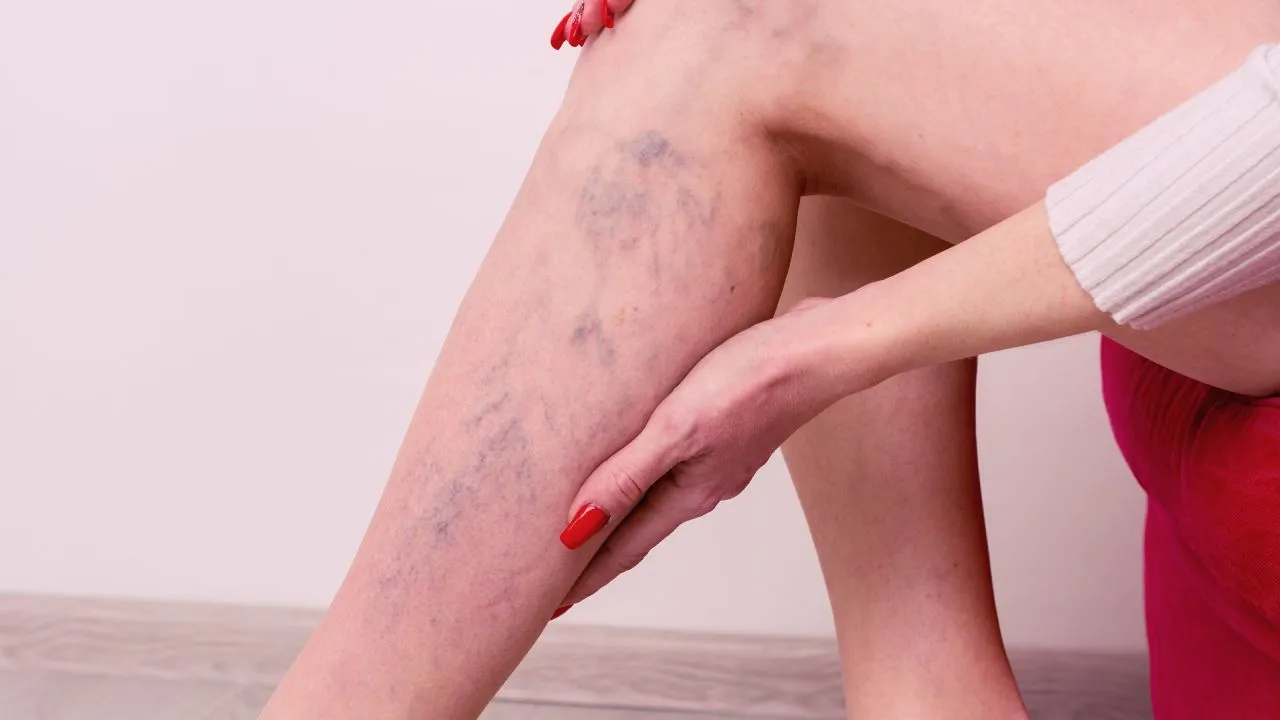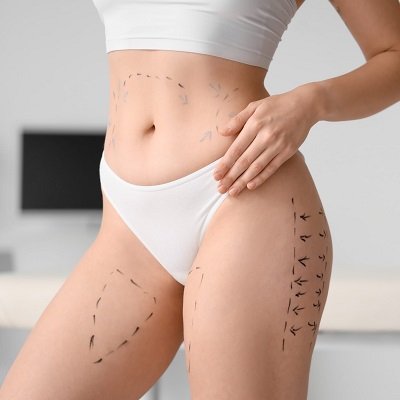
Body shape is influenced by many factors, including genetics, age, lifestyle, hormonal changes, and the way the body naturally stores fat. Even people who maintain a healthy weight can have stubborn fat deposits that seem resistant to diet and exercise. These areas may affect the overall proportions of the body and sometimes create an appearance of unevenness.
Liposuction is a cosmetic surgical procedure designed to remove localized deposits of excess fat and improve body contours. While many people associate liposuction with simply making an area smaller, the procedure can also be used as part of a broader approach to improving body symmetry and proportion.
For individuals researching Liposuction Surgery in Oman, understanding what the procedure can and cannot achieve is an important part of making an informed decision. Liposuction is not a general weight-loss treatment, and its results depend on factors such as skin quality, fat distribution, anatomy, surgical technique, and postoperative healing.
What Is Liposuction Surgery?
Liposuction is a surgical body-contouring procedure that removes excess fat from selected areas of the body. Depending on the individual’s needs, it may be performed on areas such as the abdomen, thighs, hips, flanks, arms, back, or under the chin.
During the procedure, small incisions are generally made in or near the treatment area. A thin tube called a cannula is inserted through these openings, and fat cells are carefully removed using a controlled suction technique.
The objective is not simply to remove as much fat as possible. Instead, the surgeon considers the body’s natural contours and removes fat strategically to create a smoother and more proportionate appearance.
This distinction is particularly important when body symmetry is the main concern. Removing too much fat from one area or failing to account for differences between the left and right sides can produce an uneven result. Careful assessment and planning therefore play an important role in the outcome.
How Can Liposuction Improve Body Symmetry?
Body symmetry does not mean that both sides of the body must be perfectly identical. Natural differences between the left and right sides are common. However, noticeable variations in fat distribution can sometimes make one area appear fuller than another.
Liposuction may help address certain types of asymmetry caused by localized fat deposits. For example, an individual may have slightly different amounts of fat around the hips, waist, thighs, or flanks. A carefully planned procedure can address these differences while maintaining the body’s overall proportions.
The treatment may also help define transitions between different areas. For example, reducing excess fat around the waist can make the relationship between the waist, abdomen, and hips appear more balanced.
However, liposuction cannot correct every form of asymmetry. Differences caused by bone structure, muscle development, significant skin laxity, previous surgery, or other anatomical factors may require a different approach.
A realistic consultation is therefore essential. The goal should be improved contour and proportion rather than mathematical perfection.
Who May Be Suitable for Liposuction?
Liposuction is generally considered a body-contouring treatment rather than a method for achieving major weight loss. People who are near a stable and healthy weight but have persistent localized fat deposits may be considered candidates.
Several factors can influence suitability, including:
- Overall physical health
- Stable body weight
- Skin elasticity
- Location and amount of unwanted fat
- Expectations about the result
- Medical history and previous procedures
- Ability to follow postoperative instructions
Good skin elasticity can be helpful because the skin needs to adapt to the new underlying contour after fat removal. If a person has substantial loose skin, removing fat alone may not provide the desired appearance and another procedure may need to be considered.
Smoking, certain medical conditions, medications, and previous surgeries can also affect surgical planning and healing. A qualified medical professional should review these factors before treatment.
Anyone considering Liposuction Surgery in Oman should discuss individual goals and medical circumstances during a proper consultation rather than relying solely on general information found online.
Common Areas Treated With Liposuction
Liposuction can be used on several areas where localized fat deposits are present. The treatment plan depends on the individual’s anatomy and goals.
Abdomen and Waist
The abdomen and waist are among the areas commonly associated with body contouring. Removing selected fat deposits may help create a more defined transition between the abdomen and waist.
Hips and Flanks
Fat around the sides of the waist, sometimes called the flanks, can affect the overall silhouette. Contouring this area may help create a smoother relationship between the waist and hips.
Thighs
Liposuction may be used to address localized fat on the inner or outer thighs. The amount removed needs to be carefully considered because excessive removal can contribute to irregular contours.
Arms
Some individuals have localized fat in the upper arms. Liposuction may reduce the fullness in this area, although skin quality is an important consideration.
Under the Chin
Small deposits of fat beneath the chin can affect the definition of the jawline. In appropriately selected individuals, removing this localized fat may improve the contour of the lower face and neck.
The suitability of each area varies from person to person. A treatment plan should be based on individual anatomy rather than a standard list of areas.
What to Expect Before and After Liposuction
Preparation is an important part of liposuction. During an initial consultation, the medical professional typically evaluates the areas of concern, skin quality, overall health, and the individual’s expectations. Photographs or measurements may also be used to assist with treatment planning.
The procedure itself is performed using an appropriate form of anesthesia determined according to the treatment area, extent of surgery, and clinical circumstances.
After surgery, swelling, bruising, tenderness, and temporary changes in sensation can occur. These effects generally improve as the body heals. Compression garments may be recommended during recovery to support the treated areas and help manage swelling.
The early appearance should not be considered the final result. Swelling can make the treated area appear larger or less even during the initial recovery period. As healing progresses, the contours usually become easier to assess.
Recovery time varies according to the amount and location of fat removed, the surgical technique, and individual healing. Patients should follow their surgical team’s instructions regarding physical activity, wound care, compression garments, medications, and follow-up appointments.
It is also important to understand that maintaining a stable weight can help preserve the results. Liposuction permanently removes many of the fat cells in the treated area, but remaining fat cells can still enlarge if substantial weight is gained.
Risks, Limitations, and Realistic Expectations
Like any surgical procedure, liposuction has potential risks. These may include infection, bleeding, fluid accumulation, changes in sensation, swelling, bruising, contour irregularities, scarring, or reactions related to anesthesia. More serious complications are possible, although their likelihood depends on factors such as the individual’s health and the extent of the procedure.
One of the most important considerations for body symmetry is the possibility of contour irregularities. Because the procedure changes the distribution of fat beneath the skin, uneven removal or differences in healing can affect the final appearance.
Liposuction also does not stop the natural aging process. Skin may become less elastic over time, and future weight changes can alter body contours.
For these reasons, realistic expectations are essential. The goal is generally to improve the shape and proportion of selected areas rather than create a completely different body structure.
People researching Liposuction Surgery in Oman may encounter before-and-after photographs online. Such images can provide general context, but they should not be treated as guarantees. Each person’s anatomy, skin quality, fat distribution, healing response, and starting point are different.
Choosing Liposuction With Body Proportion in Mind
A successful body-contouring plan considers the entire silhouette rather than focusing only on one isolated area. For example, reducing abdominal fat without considering the waist or hips may produce a different visual effect than a treatment plan designed around overall proportions.
During consultation, individuals can discuss what appears disproportionate to them and what type of improvement they hope to achieve. The medical professional can then determine whether liposuction alone is appropriate or whether another treatment may better address the concern.
It is also useful to ask about the surgical technique, expected recovery, possible complications, follow-up care, and what happens if the final contour differs from expectations.
For anyone considering Liposuction Surgery in Oman, selecting a properly qualified and experienced surgical professional and an appropriately equipped medical facility is an important part of the process. The decision should be based on medical suitability, safety standards, realistic expectations, and individual treatment needs rather than price alone.
Final Thoughts
Liposuction can be a useful body-contouring option for people with localized fat deposits that remain despite healthy lifestyle habits. When carefully planned, it may improve the appearance of body proportions and address certain types of asymmetry.
However, symmetry should be understood in a realistic way. Human bodies naturally have differences from one side to the other, and liposuction cannot guarantee perfectly identical contours. The best treatment plans focus on natural-looking proportions, appropriate fat removal, skin quality, and the individual’s overall anatomy.
Anyone exploring Liposuction Surgery in Oman should seek an individualized medical assessment before deciding whether the procedure is appropriate. Understanding the benefits, limitations, recovery process, and potential risks can help individuals approach treatment with realistic expectations and make informed decisions about their body-contouring goals.
1. Is liposuction a weight-loss procedure?
No. Liposuction is primarily a body-contouring procedure intended to remove localized fat deposits. It is not designed to treat obesity or replace a healthy diet and regular physical activity. People considering the procedure are generally assessed based on their overall health, body composition, and specific areas of unwanted fat.
2. Can liposuction correct uneven body contours?
It may help with certain types of asymmetry caused by differences in localized fat distribution. However, not all asymmetry is caused by fat. Bone structure, muscle development, skin laxity, and previous surgery can also influence body shape. A medical assessment is needed to determine whether liposuction can address the specific concern.
3. How long does it take to see the final liposuction result?
The treated area can look swollen or uneven during the early healing period. As swelling decreases and tissues recover, the contours become more apparent. The exact timeline varies between individuals and depends on the treatment area and extent of surgery.
4. Does liposuction permanently remove fat?
Liposuction removes fat cells from the treated area. However, the remaining fat cells can increase in size if significant weight is gained. Maintaining a relatively stable weight and healthy lifestyle can help support the long-term appearance of the treated area.
5. Is liposuction suitable for people with loose skin?
It depends on the amount of skin laxity and the individual’s goals. Liposuction primarily removes fat and does not remove significant excess skin. If loose skin is substantial, another form of body-contouring surgery may be more appropriate, depending on the medical assessment.
6. What should someone consider before Liposuction Surgery in Oman?
Before treatment, an individual should consider overall health, expectations, skin elasticity, the areas being treated, potential risks, recovery requirements, and the qualifications of the surgical professional. A detailed consultation is important for determining whether liposuction is appropriate and what type of result can realistically be expected.
Read More About Liposuction Surgery: https://autopedia.co.uk/events/oman/muscat/muscat-1/can-liposuction-surgery-be-customized-to-your-body-shape/